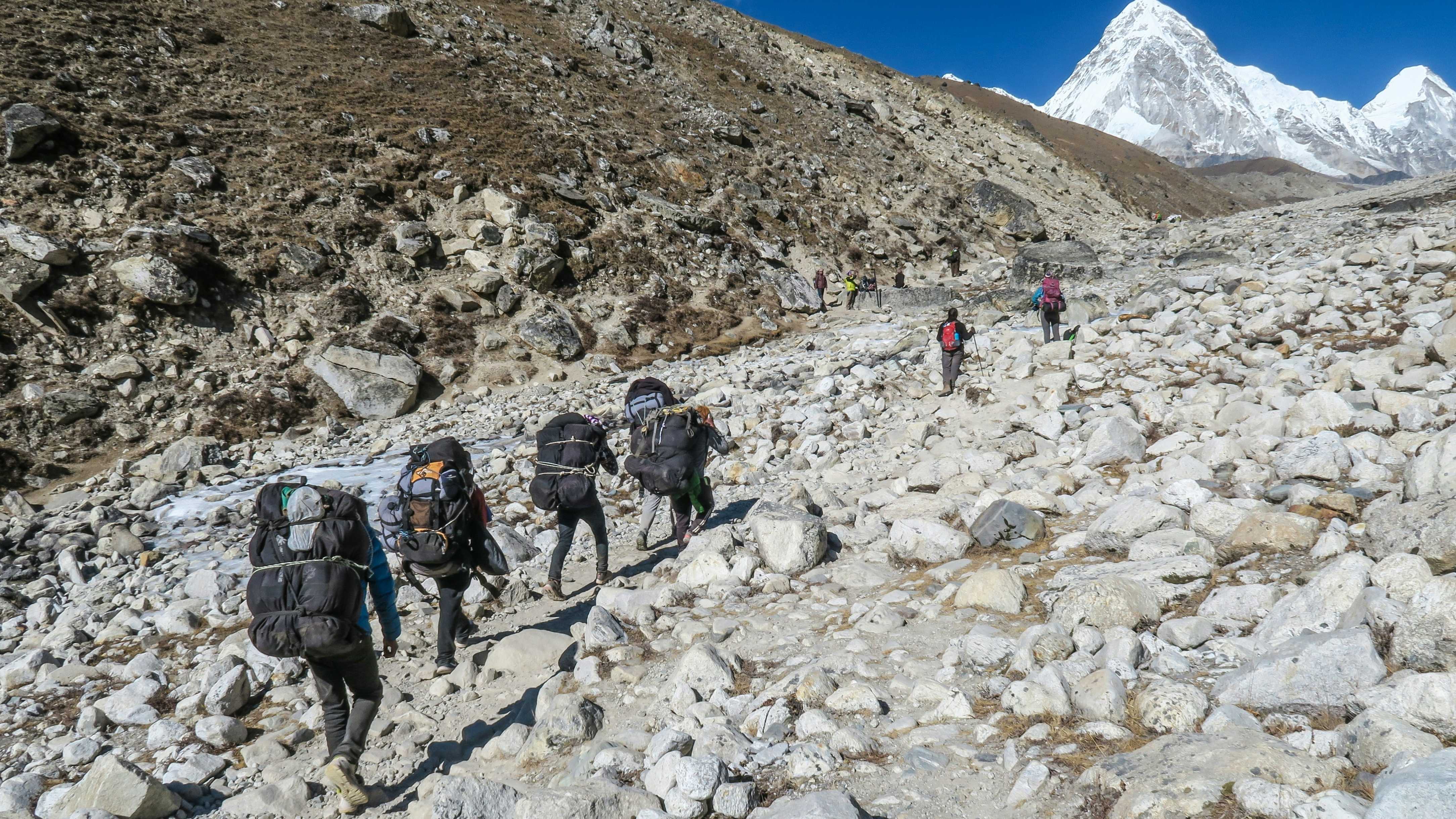
As you climb towards the Mount Everest summit, the air pressure drops. Your body undergoes amazing changes to survive. Understanding this science helps you manage your pace on the Everest Base Camp trek.
The kidneys signal the bone marrow to produce more red blood cells. This thickens the blood, allowing it to carry more oxygen. This process takes days, which is why you need rest days on your Everest expedition.
You breathe faster and deeper, even at rest. This blows off CO2, changing your blood acidity. This is why Diamox (Acetazolamide) works—it helps regulate this chemical balance during Everest trekking.
There is a limit to adaptation. Above 8,000m (the Death Zone), adaptation stops and deterioration begins. Acclimatization only buys you time; it doesn't make you immune to the Mount Everest summit environment.
You cannot cheat physiology. Give your body the time it needs, and it will take you to the top.