Altitude sickness (AMS) is the primary reason trekkers fail to reach Everest Base Camp. Understanding how thin air affects your body is crucial for any Everest trekking adventure or summit attempt.
Headache, nausea, and dizziness are early warning signs. If you ignore them while pushing towards the Everest summit view points, they can develop into life-threatening HAPE or HACE.
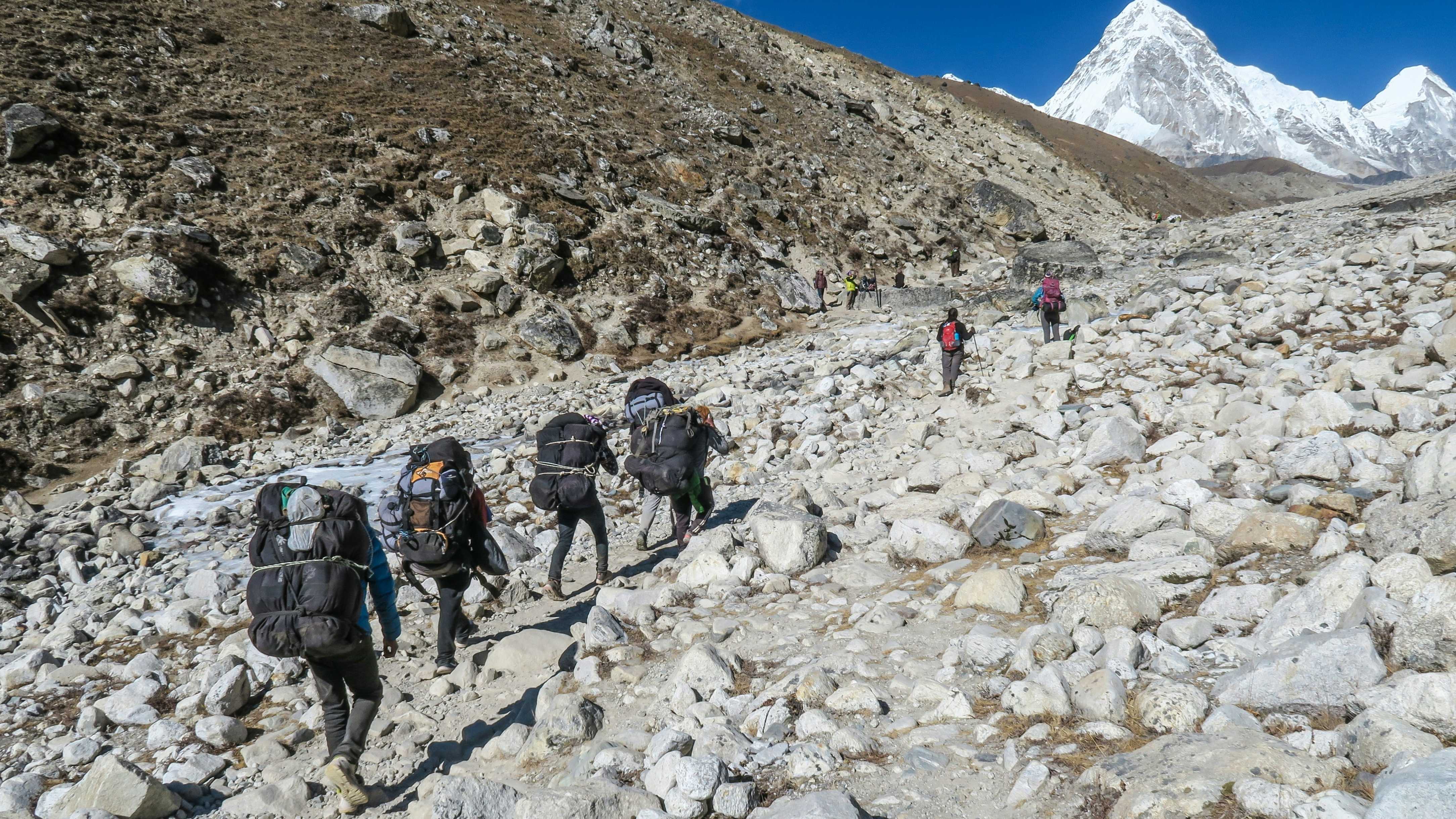
Climb high, sleep low. Do not ascend more than 500m per day once above 3,000m. Hydration is key. These rules apply whether you are a trekker or a climber on a full Mount Everest expedition.
Diamox can help prevention, but the only cure is descent. Never be afraid to turn back. The Mount Everest summit will be there next year; you need to survive to see it.
Patience is your best tool. Taking an extra acclimatization day at Namche or Dingboche significantly increases your chances of a successful Everest trekking experience.