Acute Mountain Sickness (AMS) is the biggest risk for trekkers in Nepal. It can affect anyone, regardless of fitness level. Understanding the symptoms and prevention methods is vital for a safe trip.
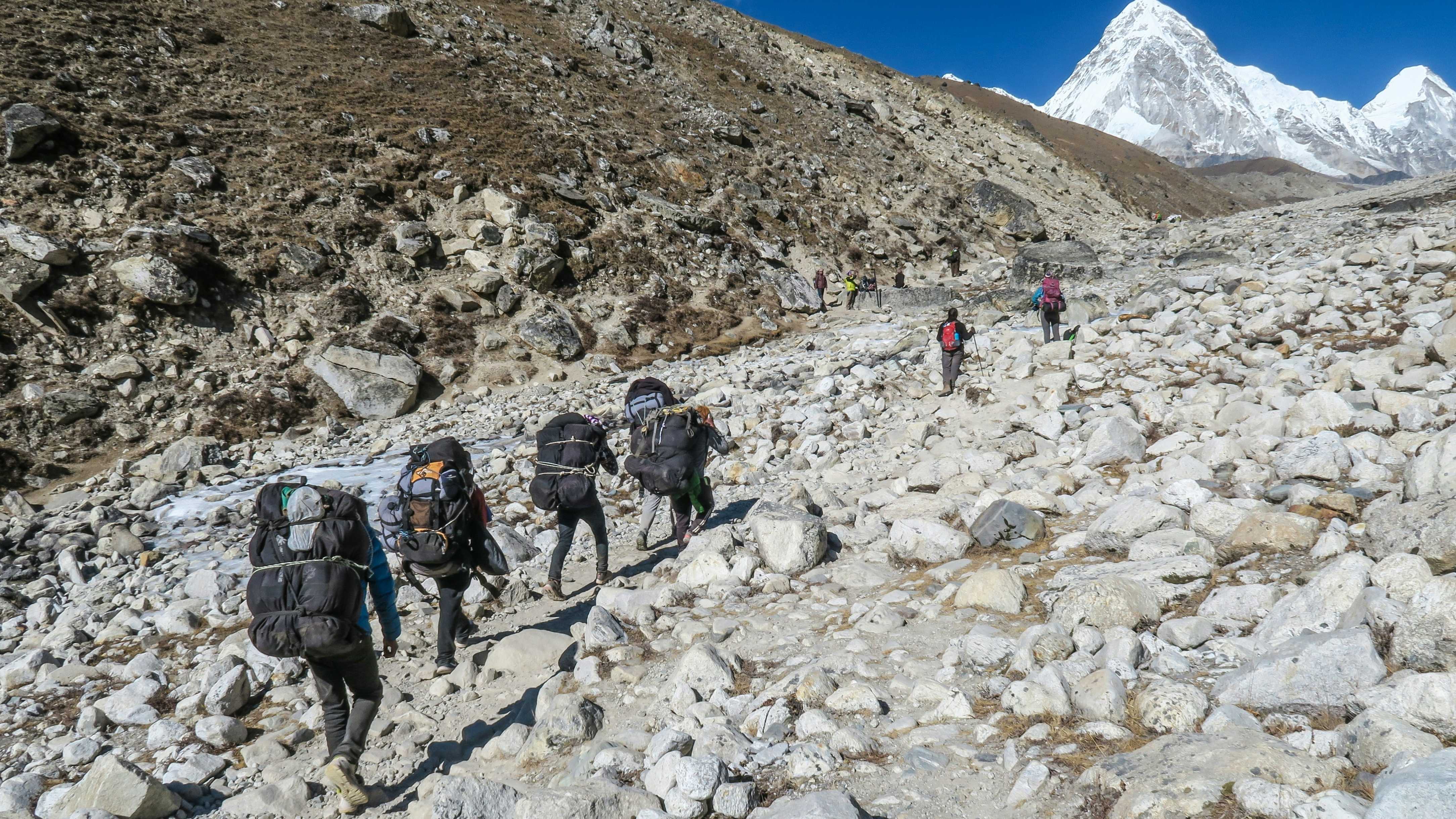
The golden rule is 'climb high, sleep low'. Most itineraries include rest days at Namche or Manang. These aren't for sleeping; they are for hiking higher and returning to sleep at the same altitude to help your body adjust.
Drink at least 3-4 liters of water a day. Avoid alcohol and smoking, as they dehydrate you and reduce oxygen efficiency. Eat a diet rich in carbohydrates (Garlic soup is a local remedy believed to help).
Headaches, nausea, dizziness, and loss of appetite are early signs. If symptoms persist or worsen, you must descend immediately. Never ascend with symptoms of AMS. Carrying Diamox can help, but it is not a cure.
Respect the mountains. Listen to your body and your guide. Reaching the destination is optional; returning safely is mandatory.