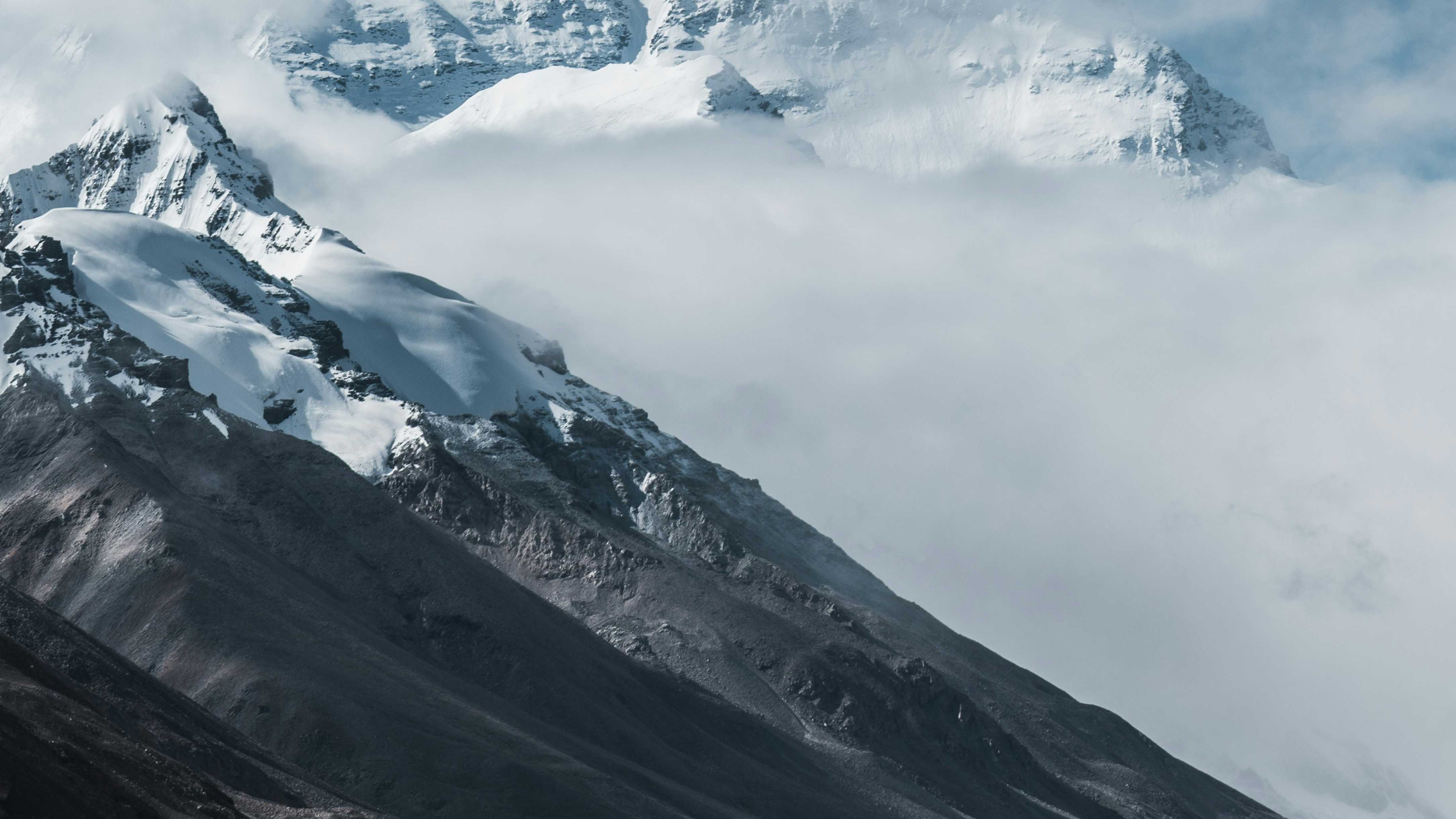
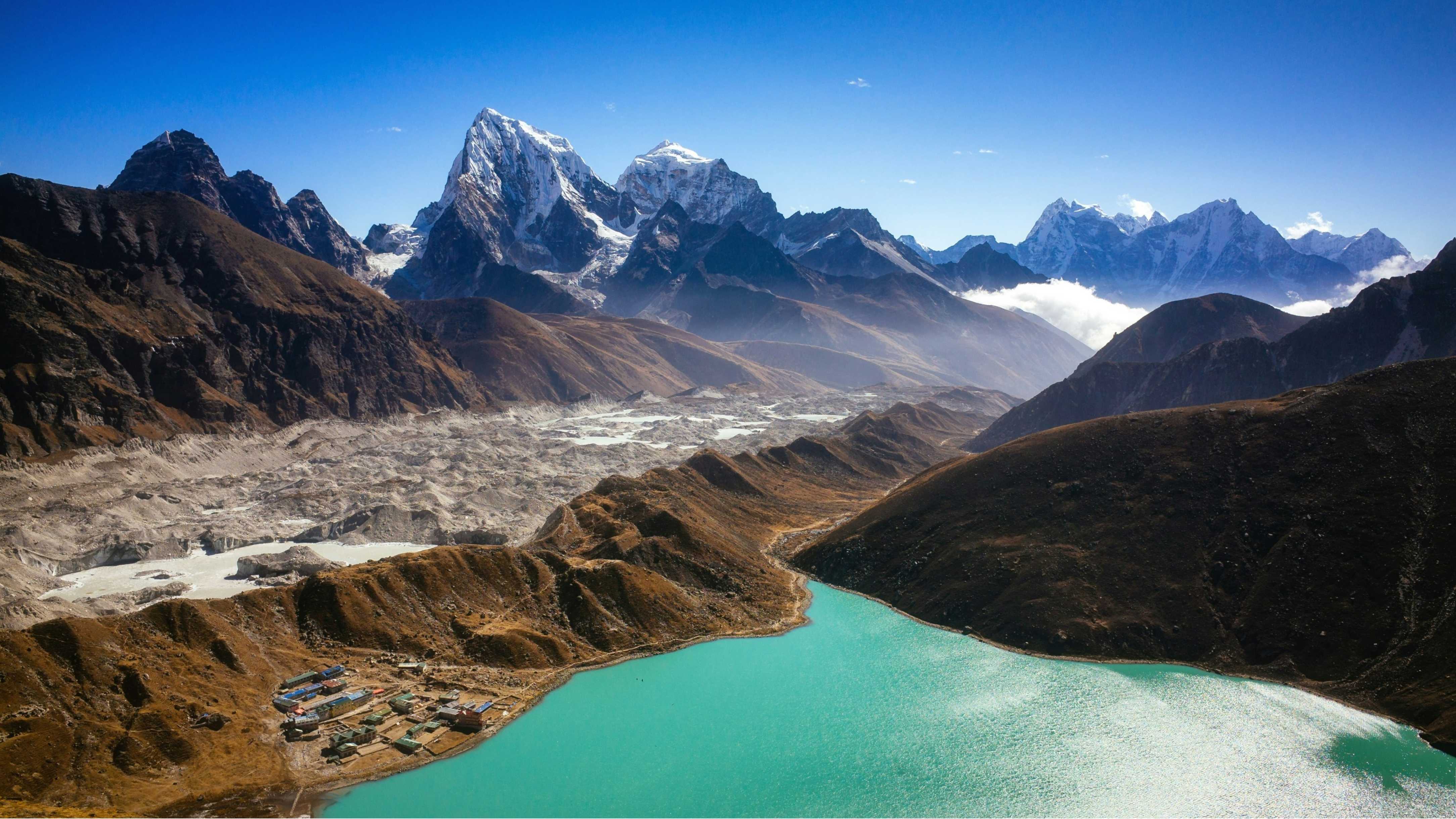
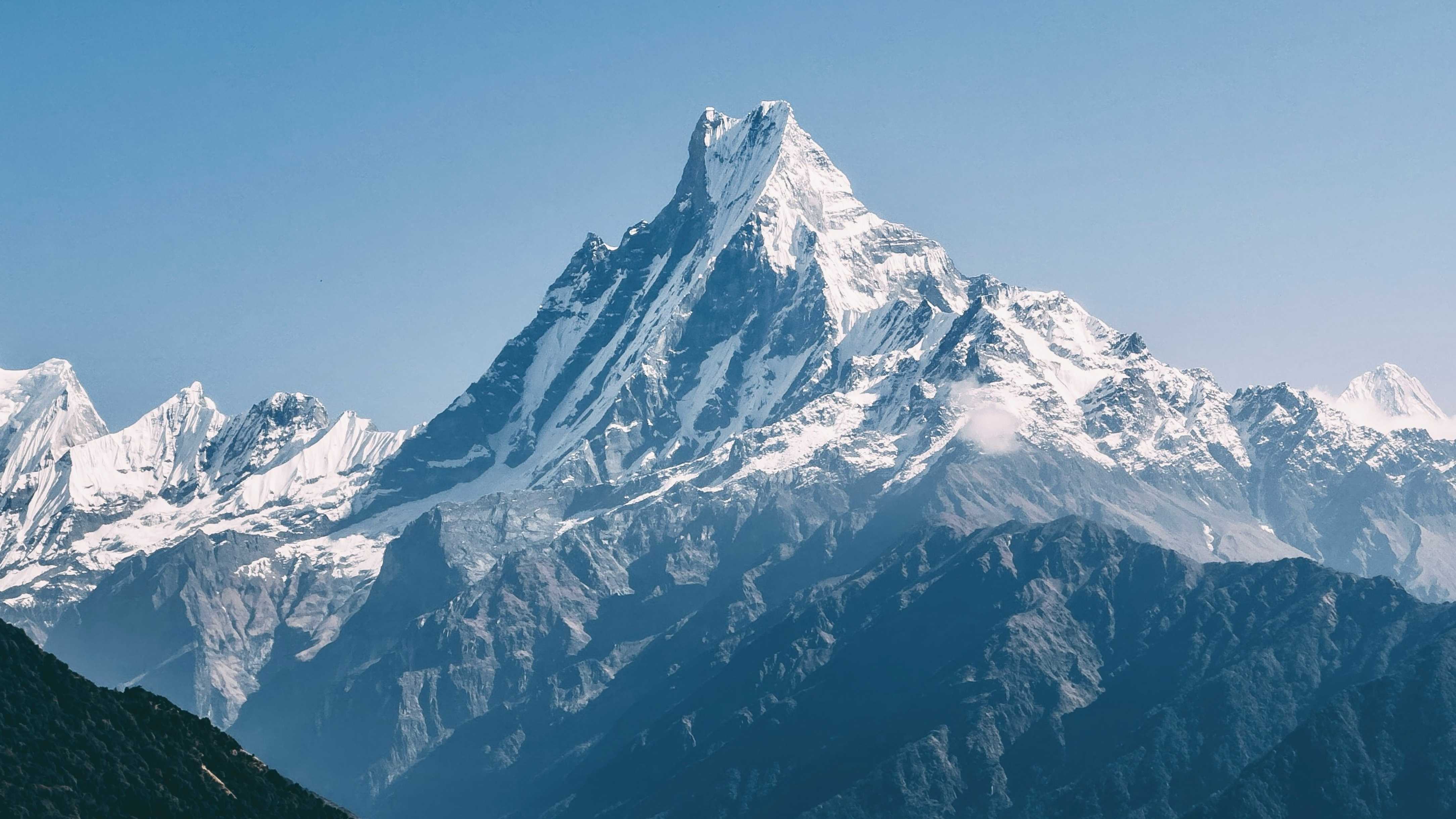
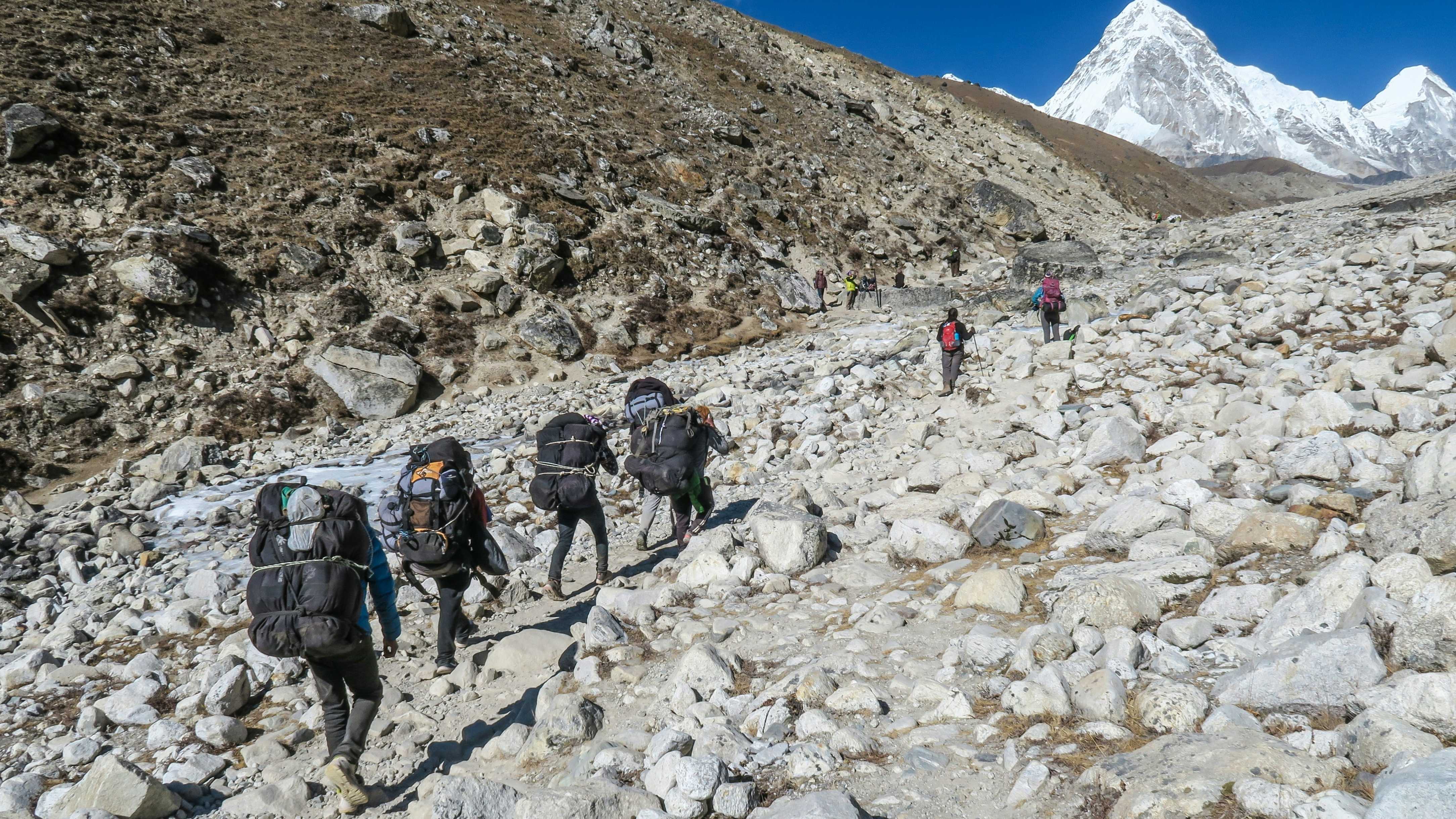
Trekking to Everest Base Camp in winter is a test of grit. While the trails are empty and the views of the Mount Everest summit are crystal clear, the temperatures are brutal. Success requires expert-level gear and preparation.
In winter, a standard down jacket isn't enough. You need professional Mount Everest expedition-grade layers. Moisture management is key; if you sweat and then stop, the moisture freezes against your skin.
In the winter, water pipes freeze, and dining halls are heated only by small yak-dung stoves. Sleeping in a -30°C rated bag is essential for survival on your winter Everest trekking journey.
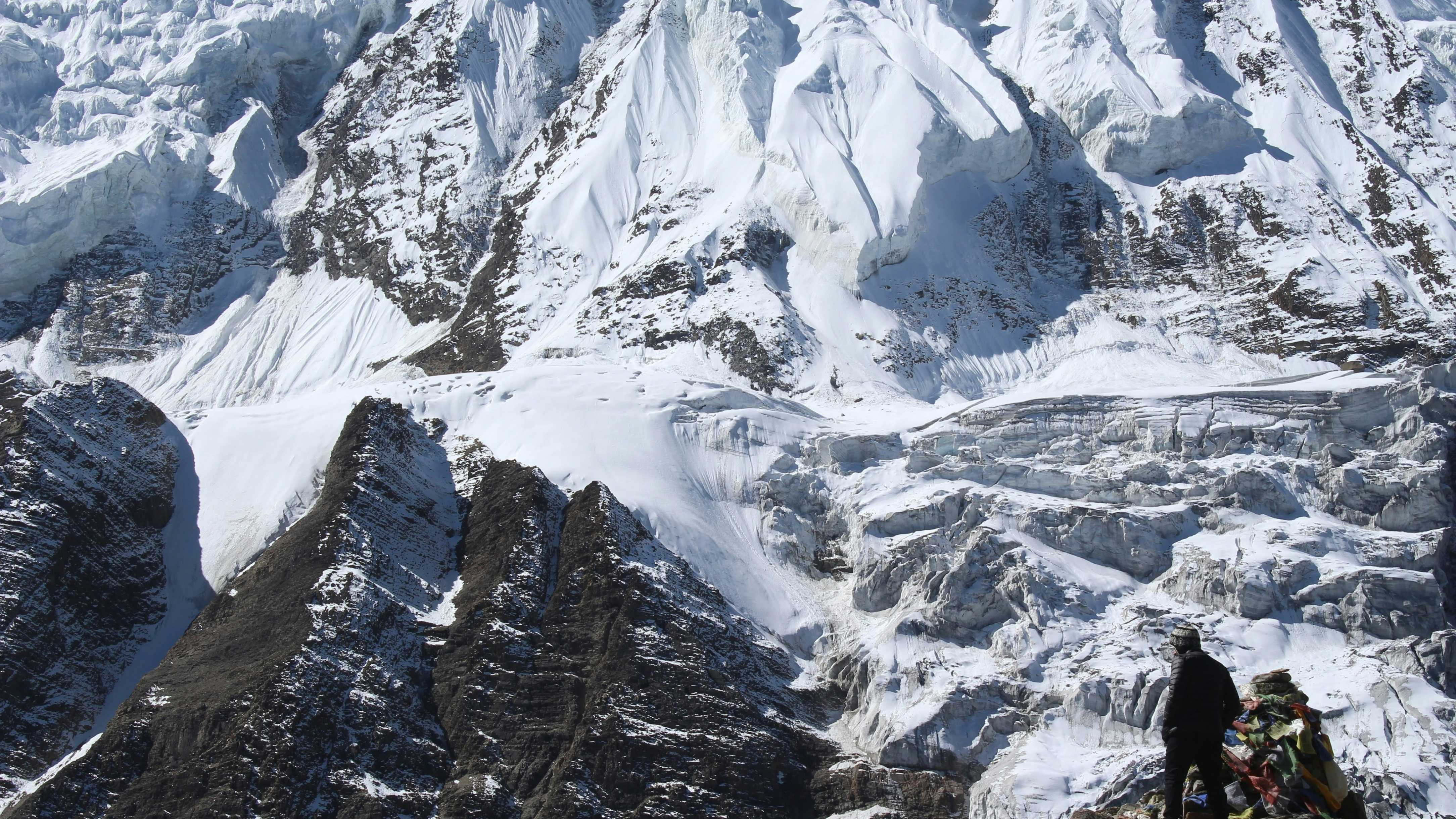
The benefit of winter is the stability of the air. You get the most dramatic, sharpest views of the Mount Everest summit without the haze of the warmer months. It is a photographer's dream expedition.
Winter Everest trekking is not for beginners. If you seek solitude and extreme challenge, the frozen road to Everest Base Camp is waiting.