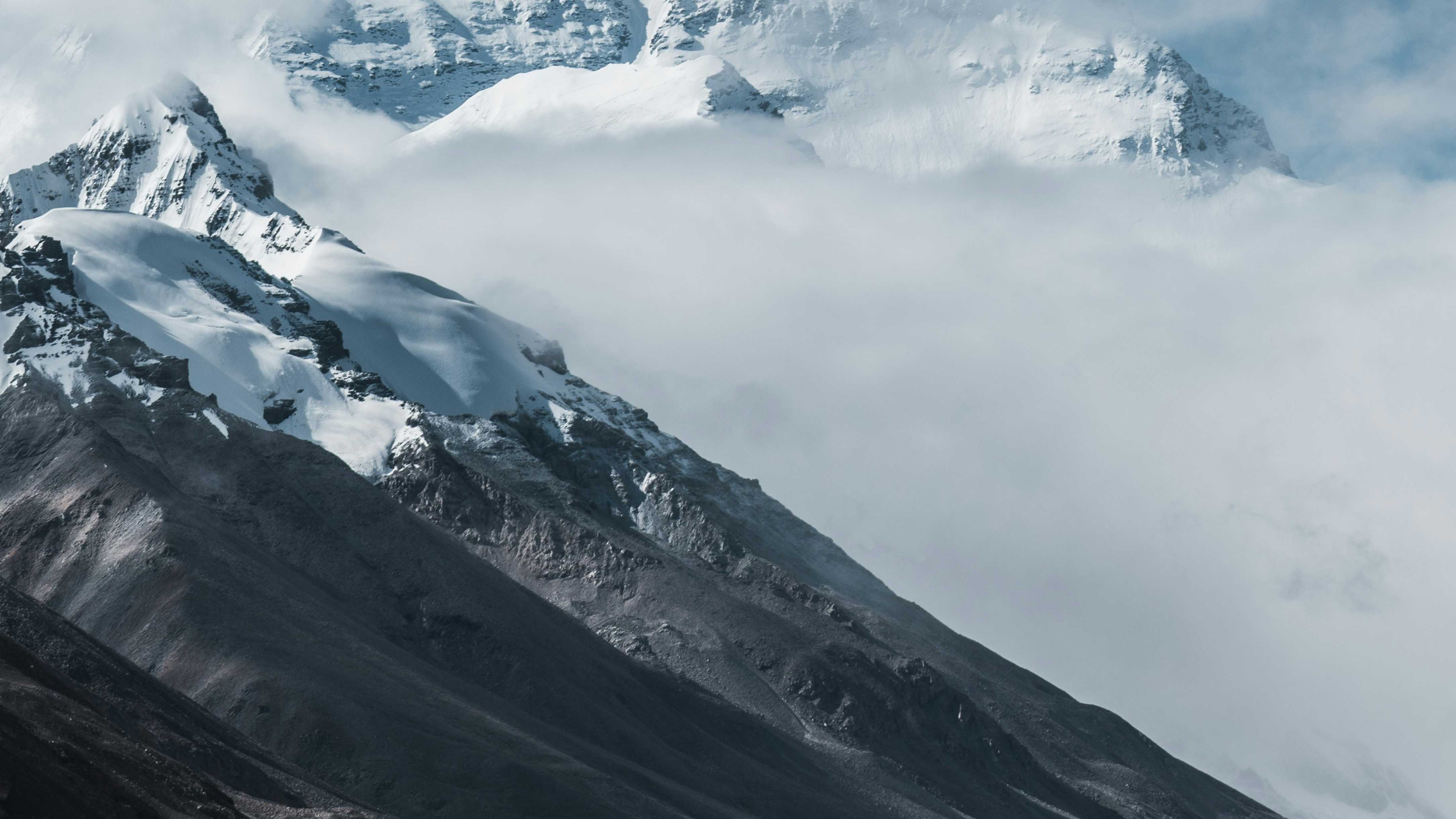
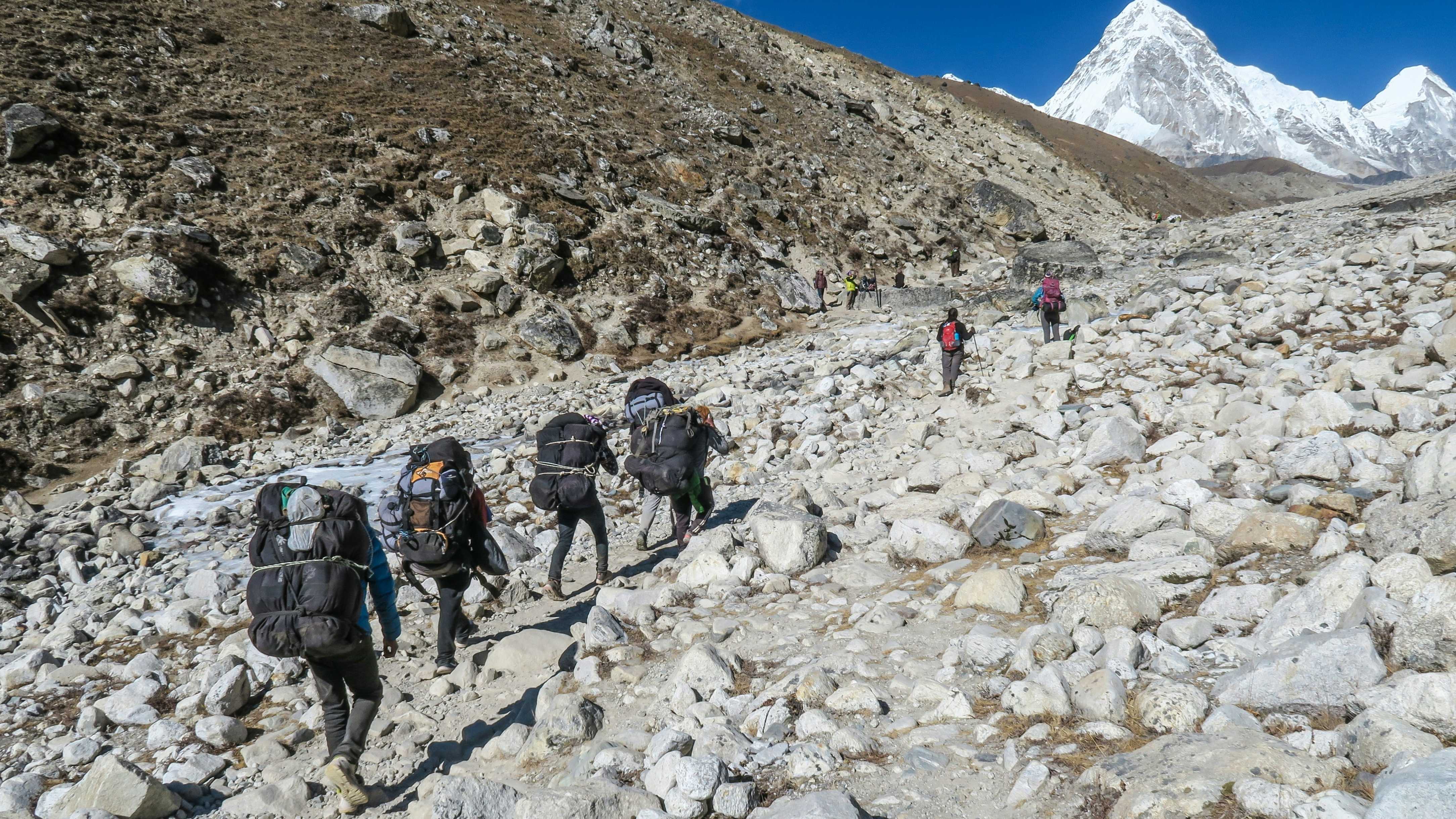
The Mount Everest summit sits in the 'Death Zone', where oxygen levels are only one-third of sea level. Modern Mount Everest expedition success relies heavily on sophisticated oxygen delivery systems that allow the human body to function in extreme thin air.
Climbers carry lightweight carbon-fiber cylinders. Each bottle provides several hours of life-sustaining oxygen. On a typical Everest summit push, a climber may use 3 to 5 bottles, which are strategically cached at high camps by Sherpa teams.
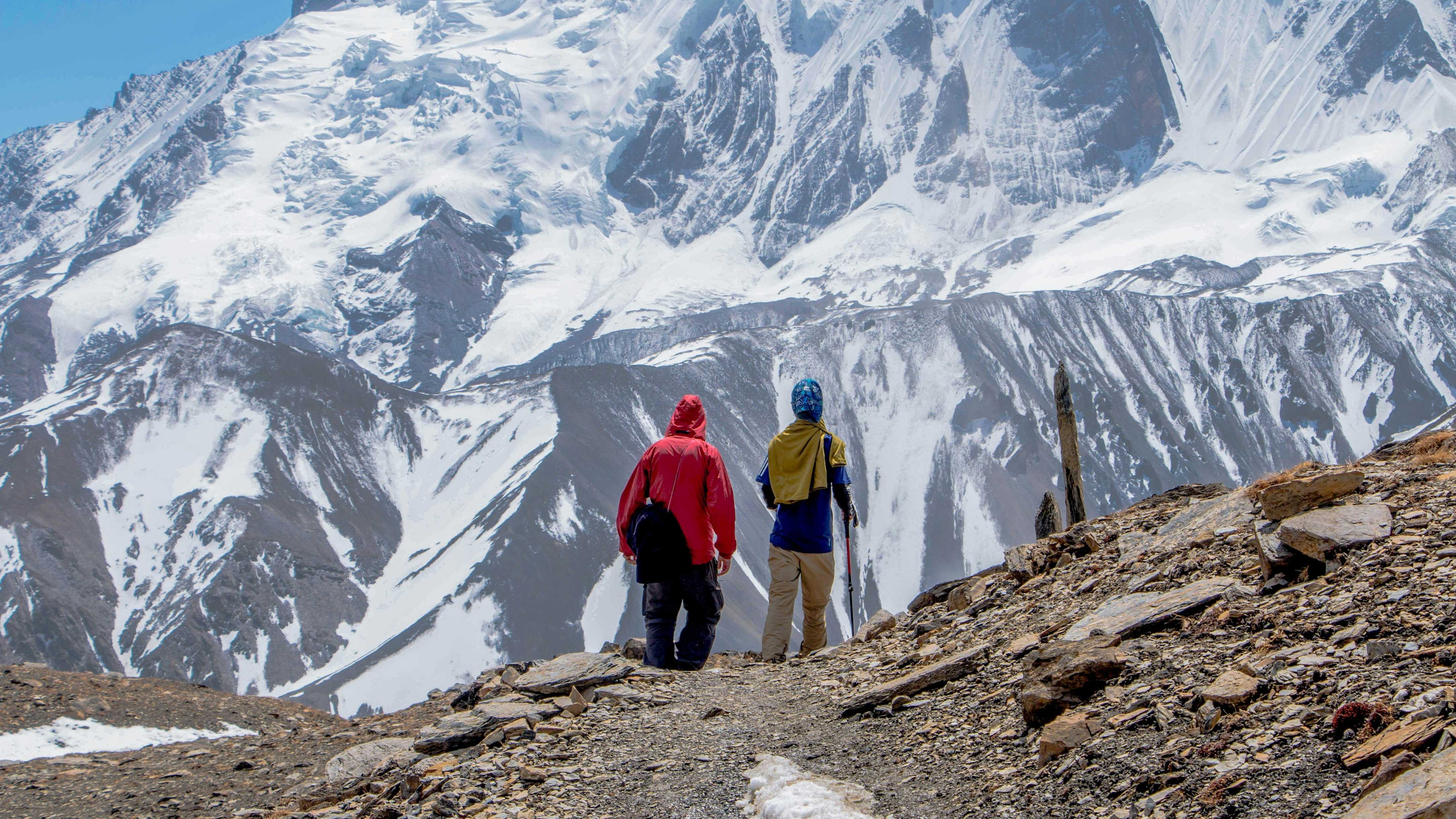
The regulator controls the flow rate, usually between 2 to 4 liters per minute. The mask must fit perfectly to prevent fogging and ensure no precious gas is wasted. This gear is the most critical component of a Mount Everest expedition kit.
While oxygen makes climbing easier, the cylinders add significant weight to a climber's pack. This is why Everest trekking fitness is so important; you must be strong enough to carry your own life support systems.
Without this technology, the Mount Everest summit would remain out of reach for most. It is a miracle of engineering that allows dreamers to stand on the roof of the world.