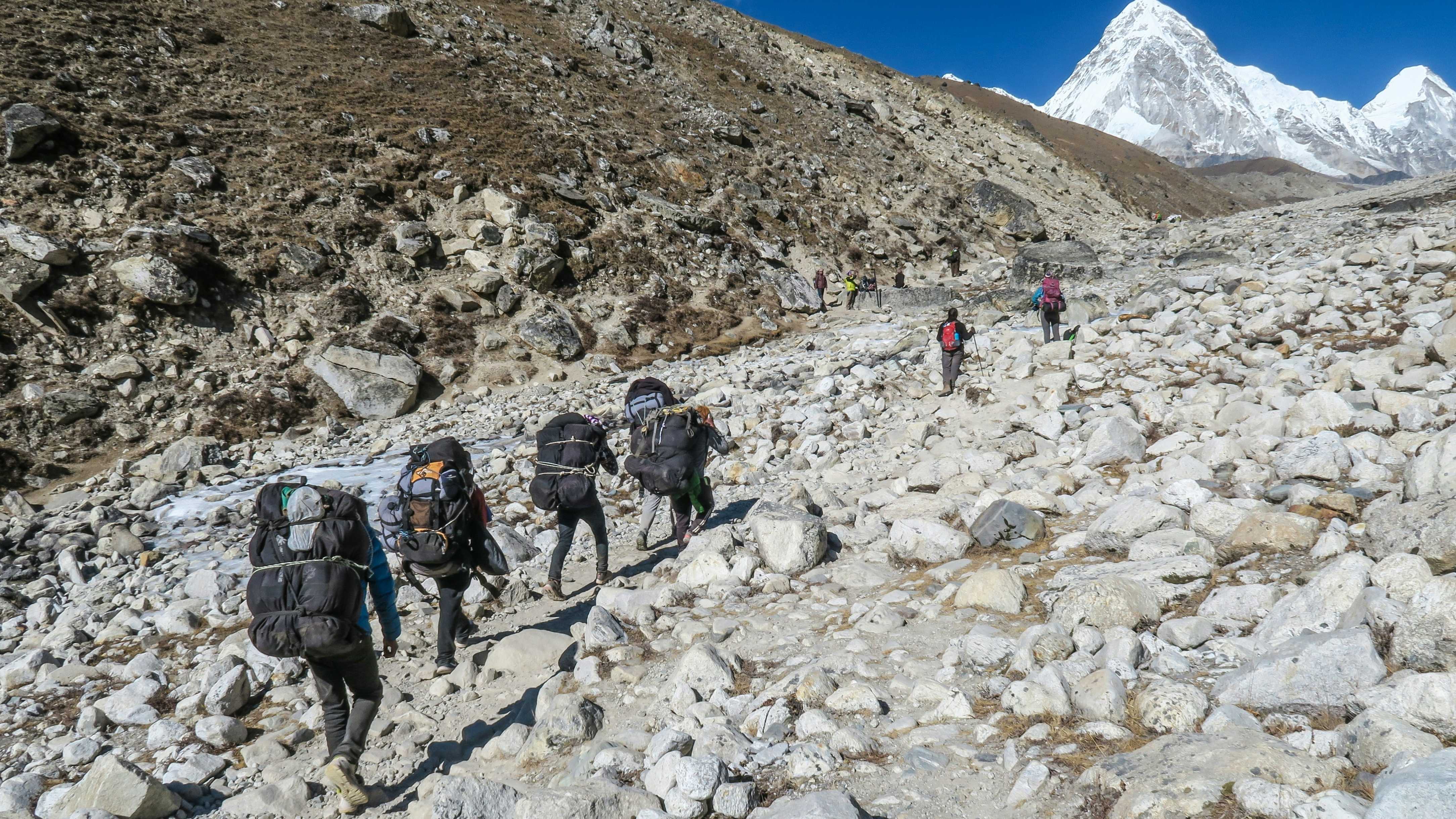
At the Mount Everest summit, the air is so thin that the body is essentially dying. Successful Mount Everest expedition members don't just rely on grit; they rely on biological adaptation. Understanding the science of acclimatization is the secret to reaching the top.
During Everest trekking, your body senses the drop in oxygen and produces more red blood cells. This increases your blood's oxygen-carrying capacity. However, it also makes the blood thicker, which is why hydration is the #1 rule for any Everest expedition.
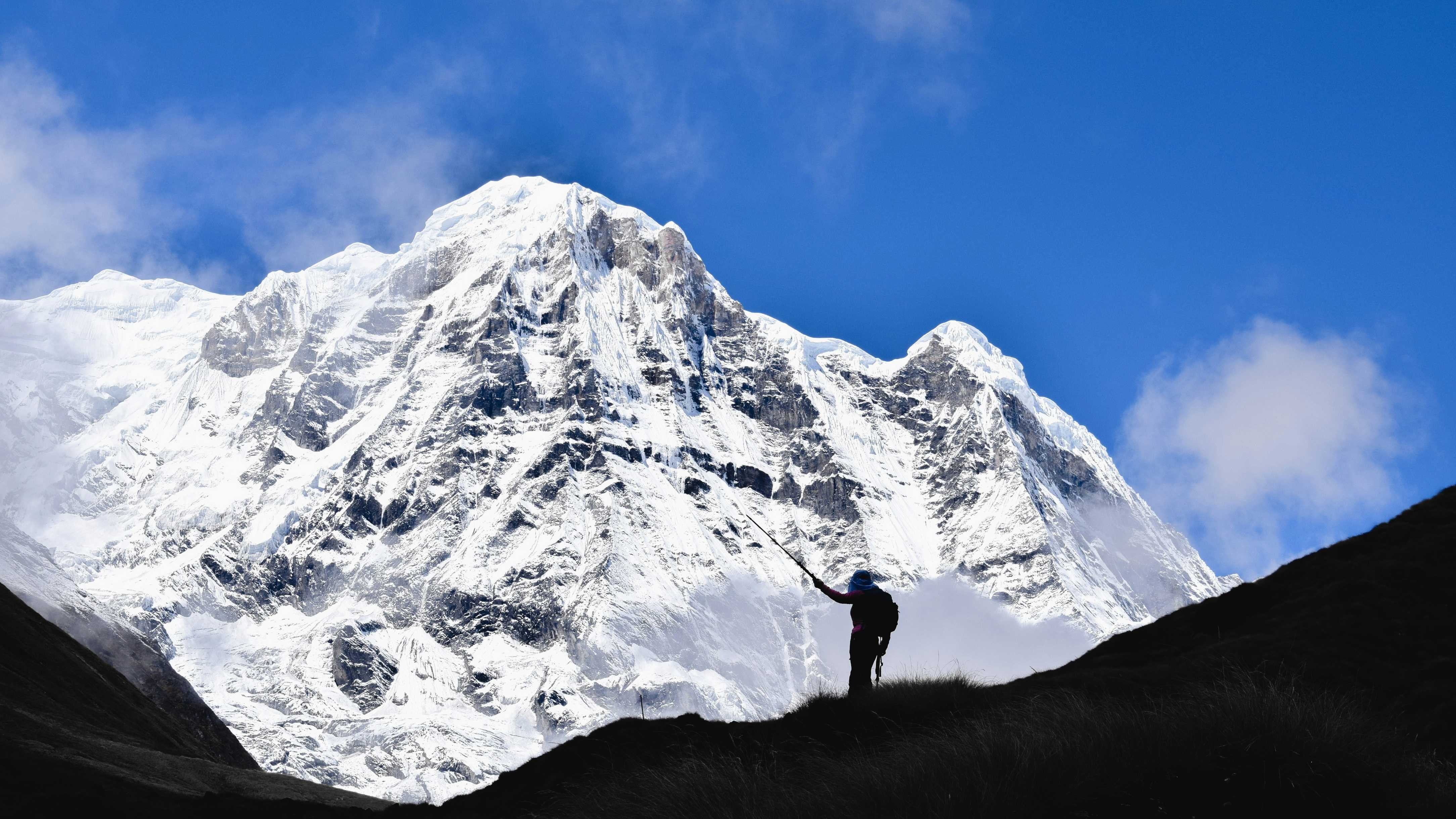
The pressure at the Everest summit is too low to push oxygen across the lung membranes efficiently. By staying at Everest Base Camp for weeks, you allow your lungs to physically adapt to this pressure gap, reducing the risk of HAPE.
Your body switches from burning fat to burning primarily glucose at high altitude. This is why carb-loading is vital during the Mount Everest summit push. If you run out of glycogen, your mental and physical power vanishes instantly.
You can't rush biology. Give your body the time it needs at Base Camp, and it will give you the strength to stand on the Mount Everest summit.