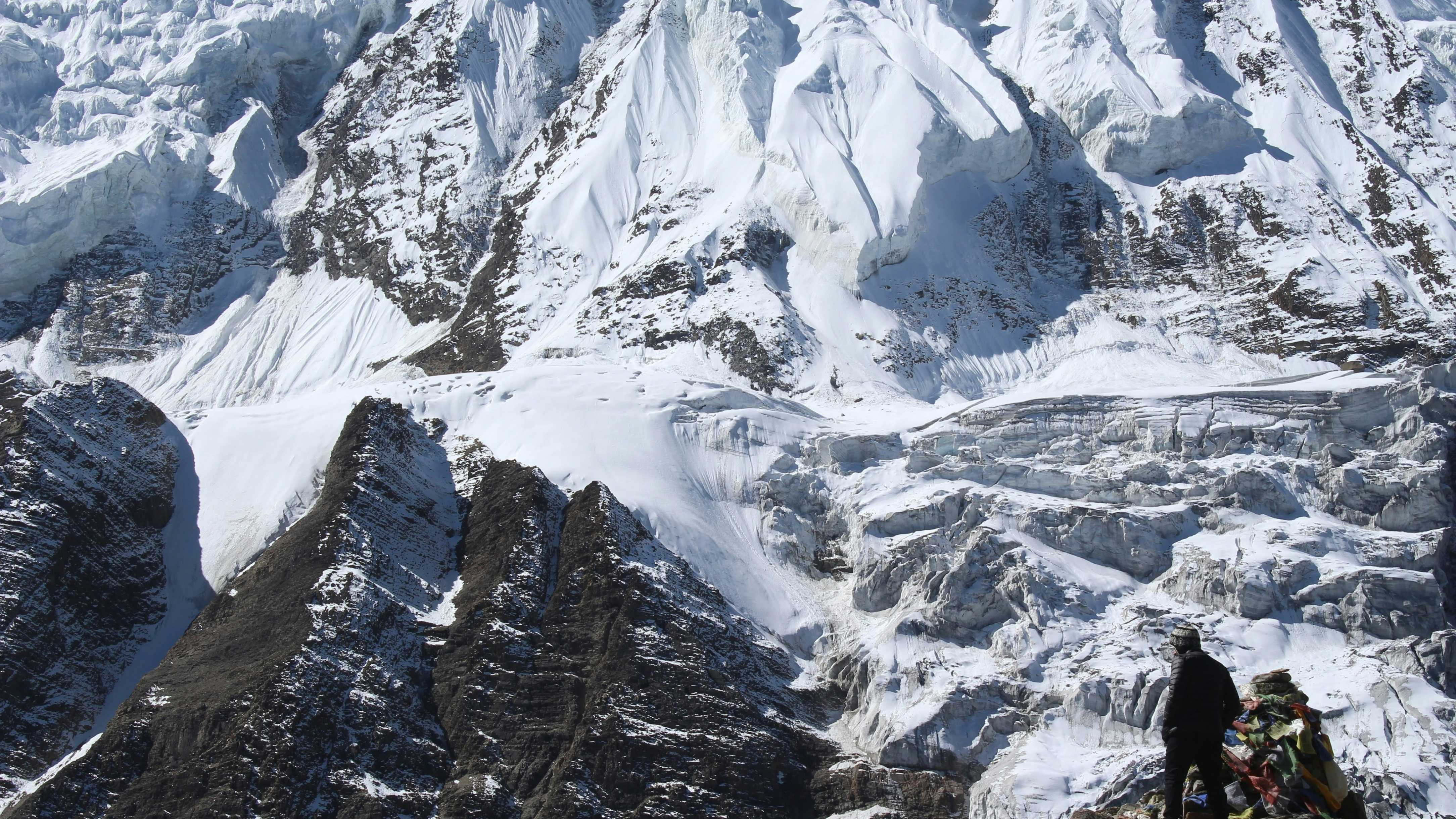
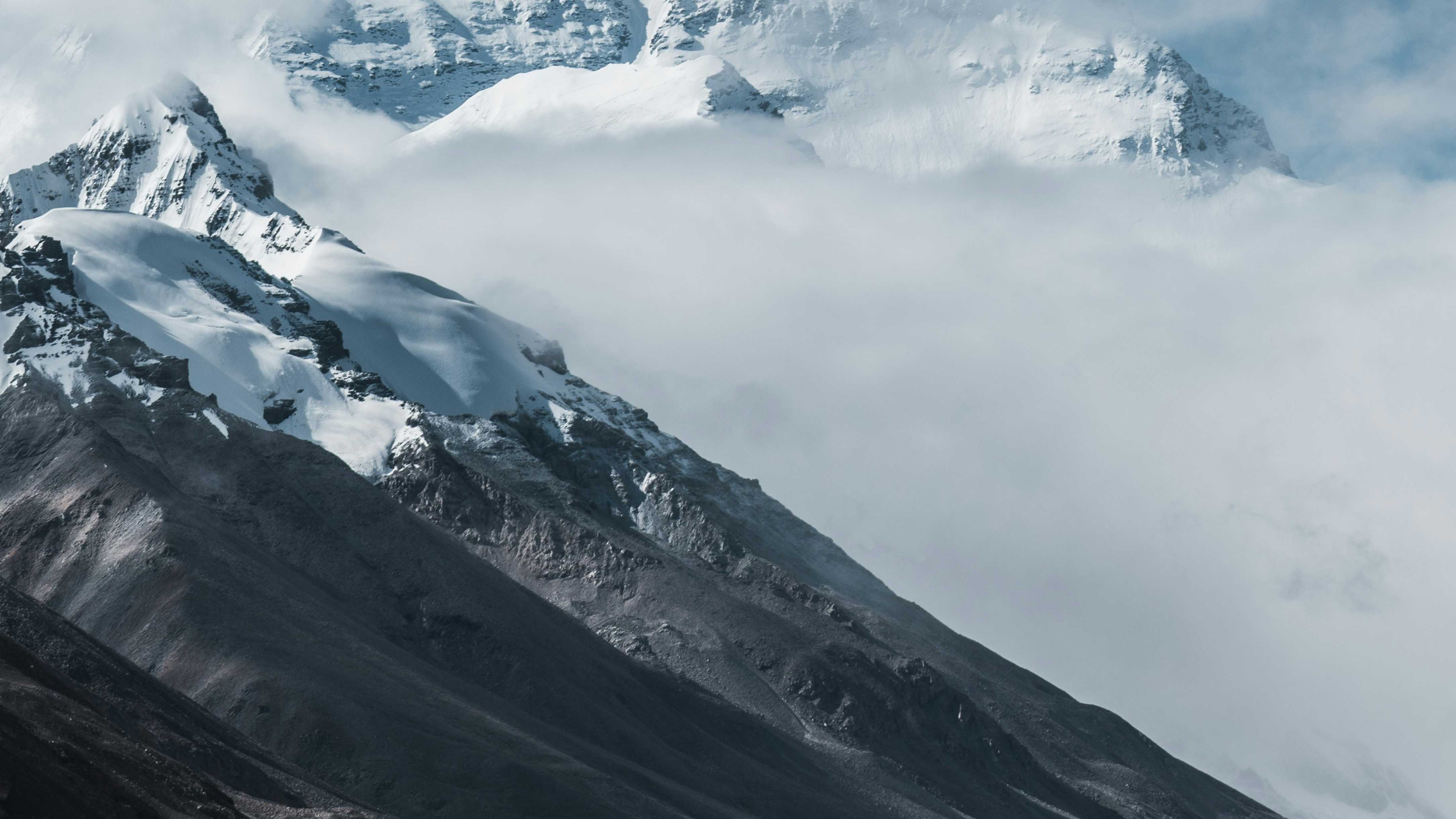
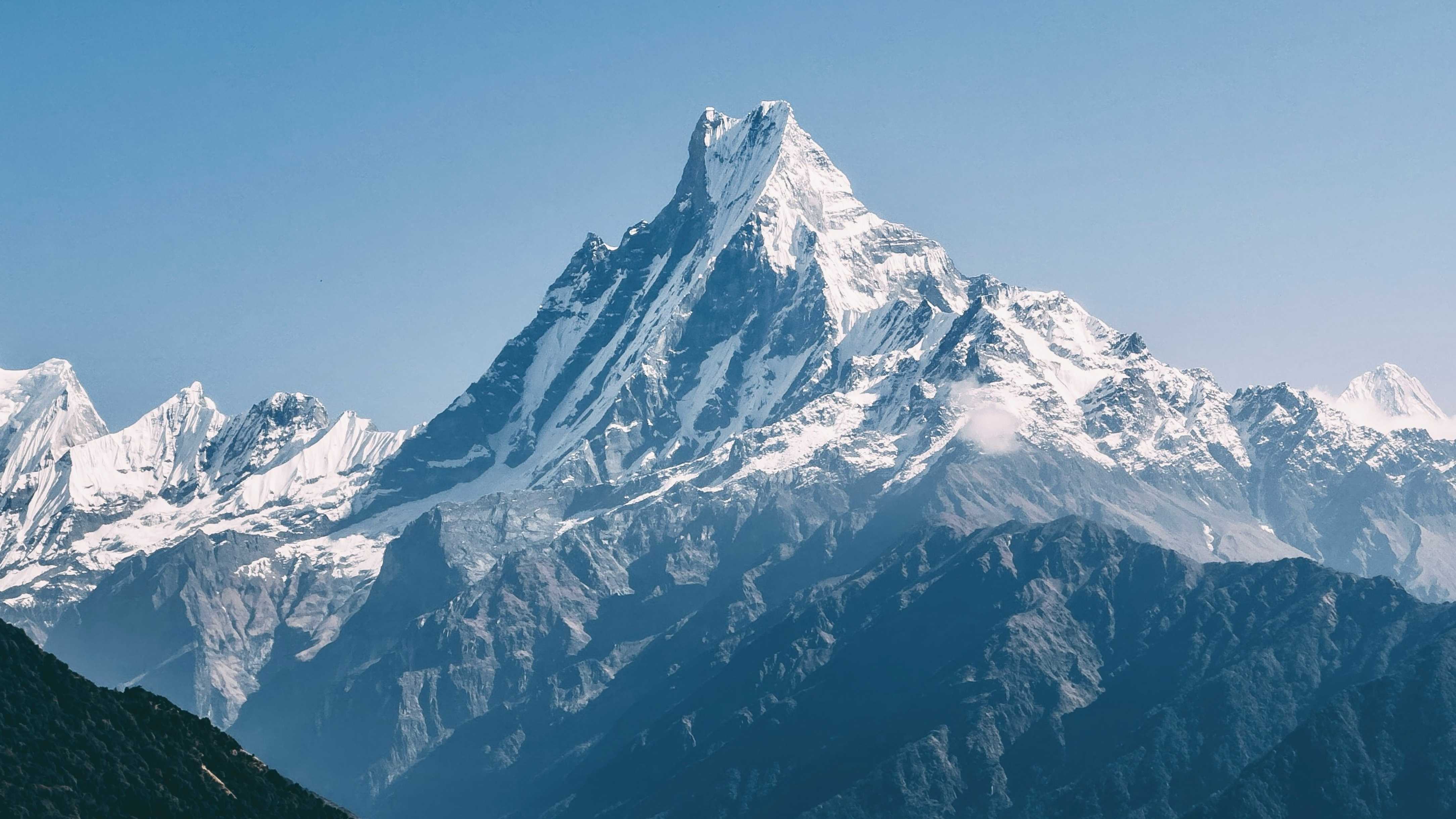
Standing on the Mount Everest summit is a miracle of biology. Your body has to completely rewrite its operating system to survive in an environment with almost no oxygen.
To carry more oxygen, your body produces massive amounts of red blood cells. While this helps you reach the Mount Everest summit, it also makes your blood 'sludge-like', increasing the risk of strokes.
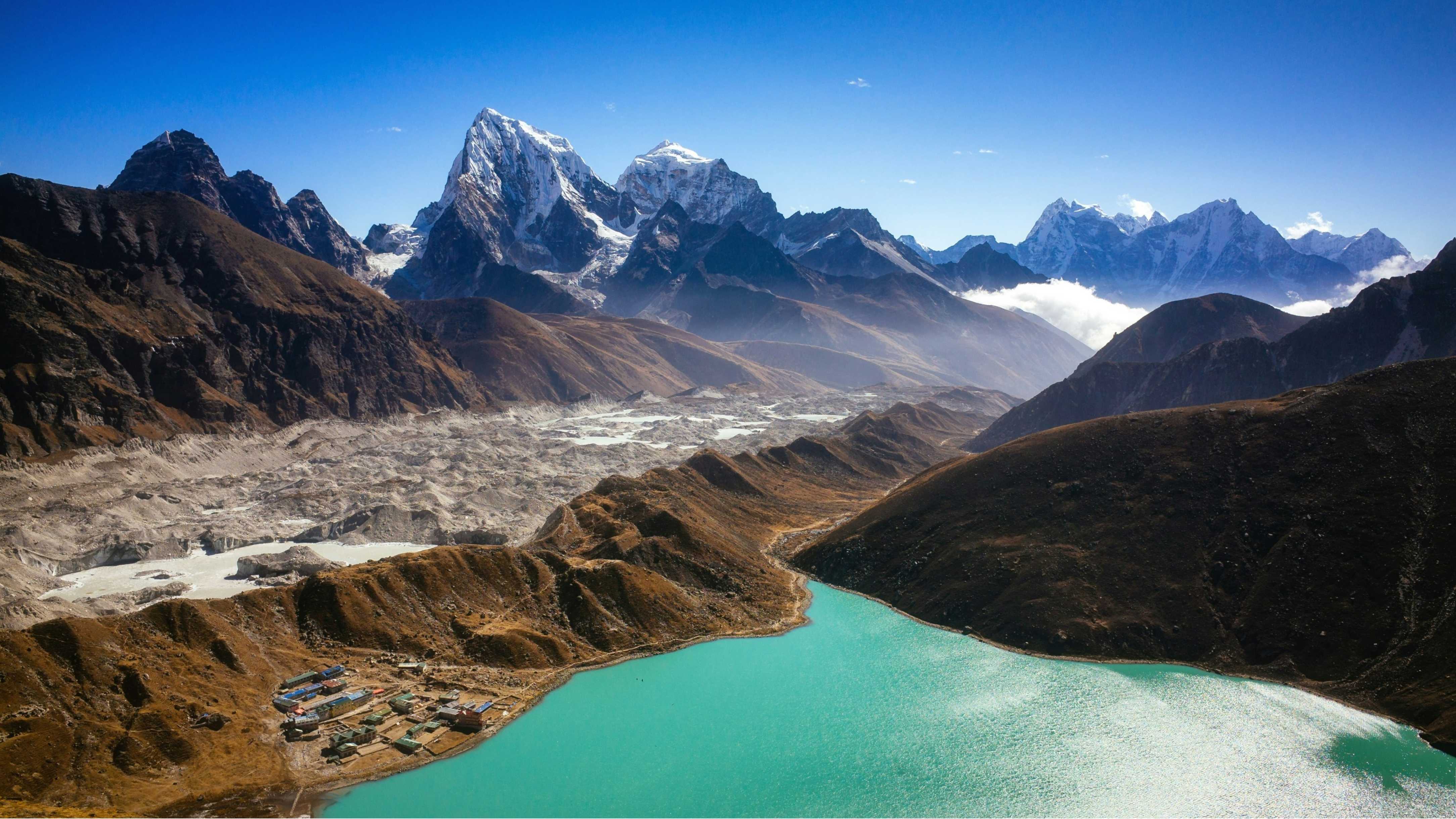
At extreme altitude, the body stops digesting food efficiently and begins to consume its own muscle for fuel. This is why Mount Everest expedition members often lose 10-15kg during the trip.
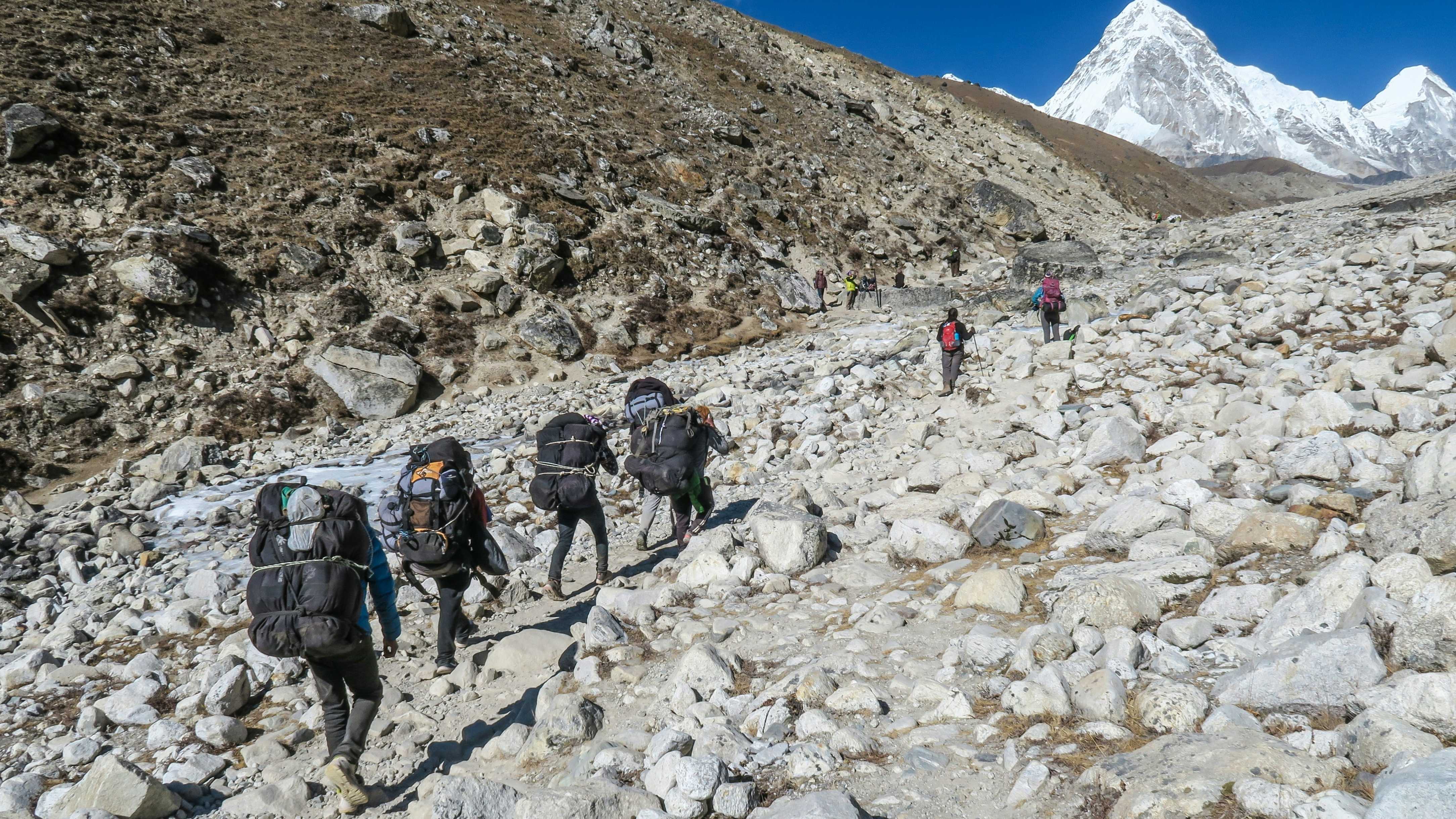
Hypoxia affects the brain's prefrontal cortex. Decision-making becomes slow and flawed. This is why Everest trekking guides are so important; they do the thinking when you no longer can.
The human body is not meant to be at the Mount Everest summit. We are only visitors in a realm where biology reaches its absolute limit.