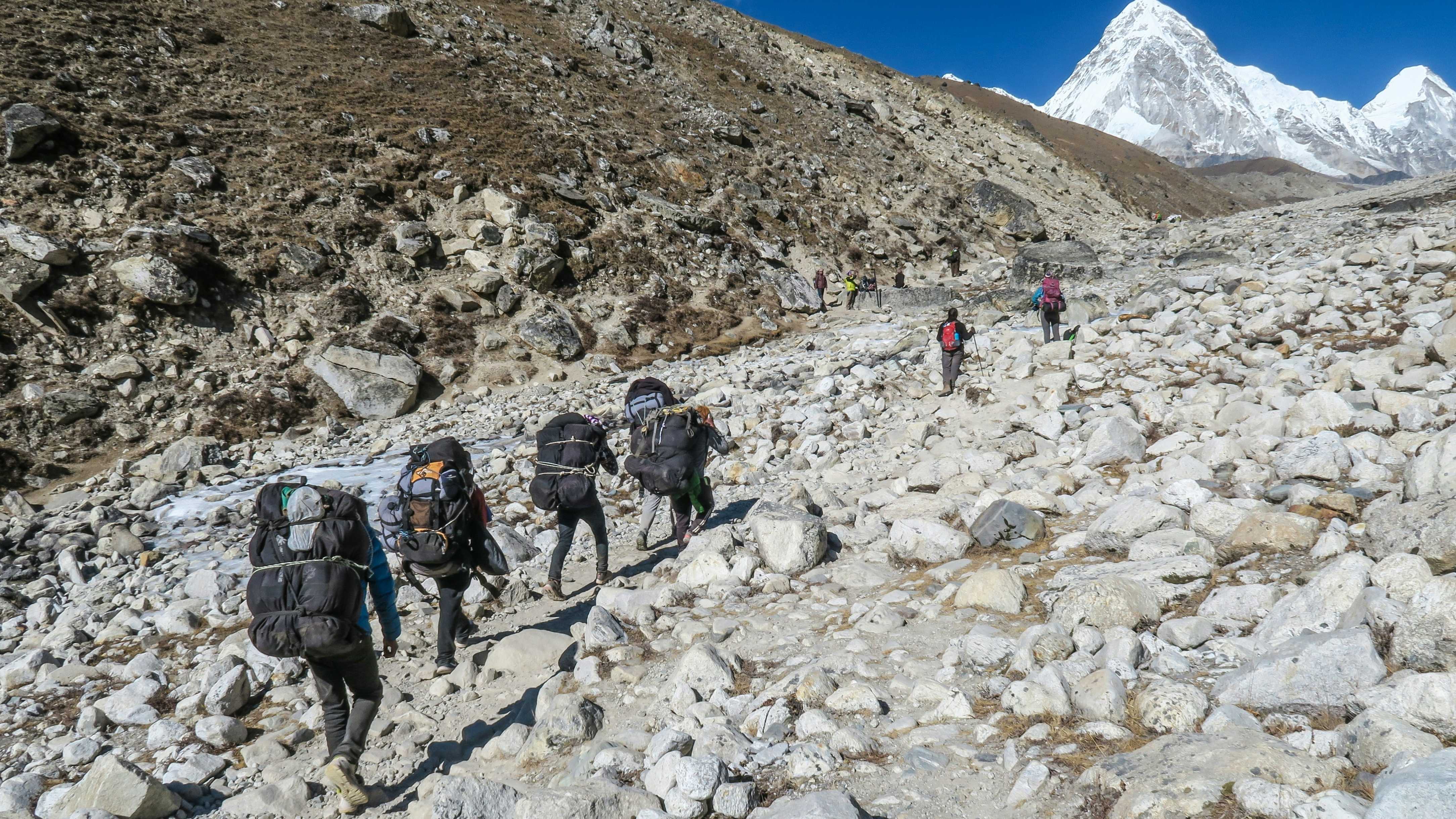
At the Mount Everest summit, your body will sacrifice your fingers to save your heart. This 'blood shunting' is a major challenge for Mount Everest expedition safety.
In extreme cold, blood vessels in the extremities constrict. This keeps your core warm but leaves your toes vulnerable during the long Everest trekking hours of the summit night.
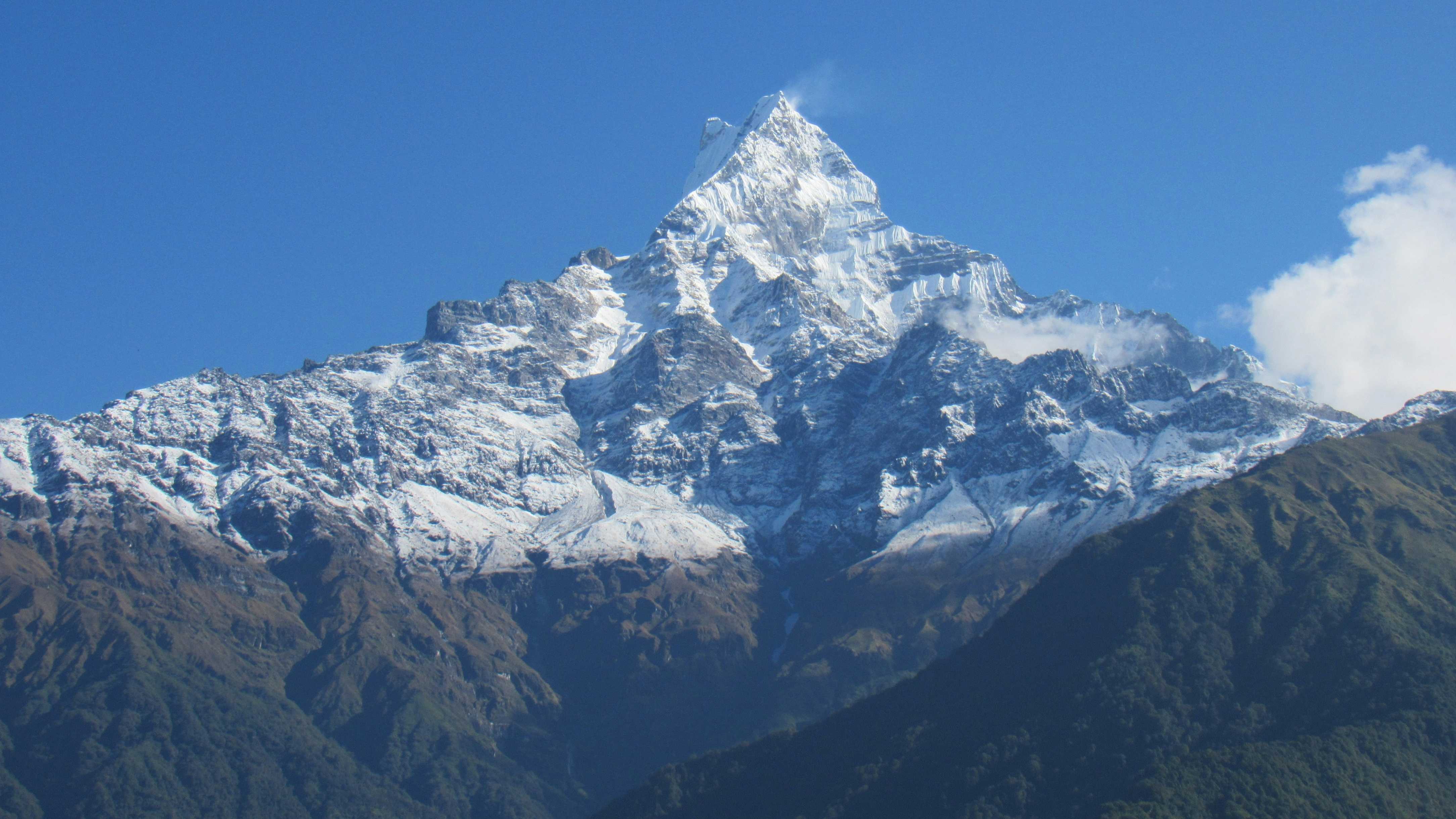
Dehydrated blood is thicker and flows even slower. This is why drinking enough water is the best defense against frostbite on the Mount Everest summit ridge. Hydration is key to any expedition.
Mount Everest expedition members are trained to detect the 'numb' phase. Rewarming must be done slowly and carefully to prevent tissue damage. Prevention is always better than the cure.
The cold of the Mount Everest summit is relentless. Use the best gear and stay hydrated to help your body manage the extreme physiological stress of your expedition.