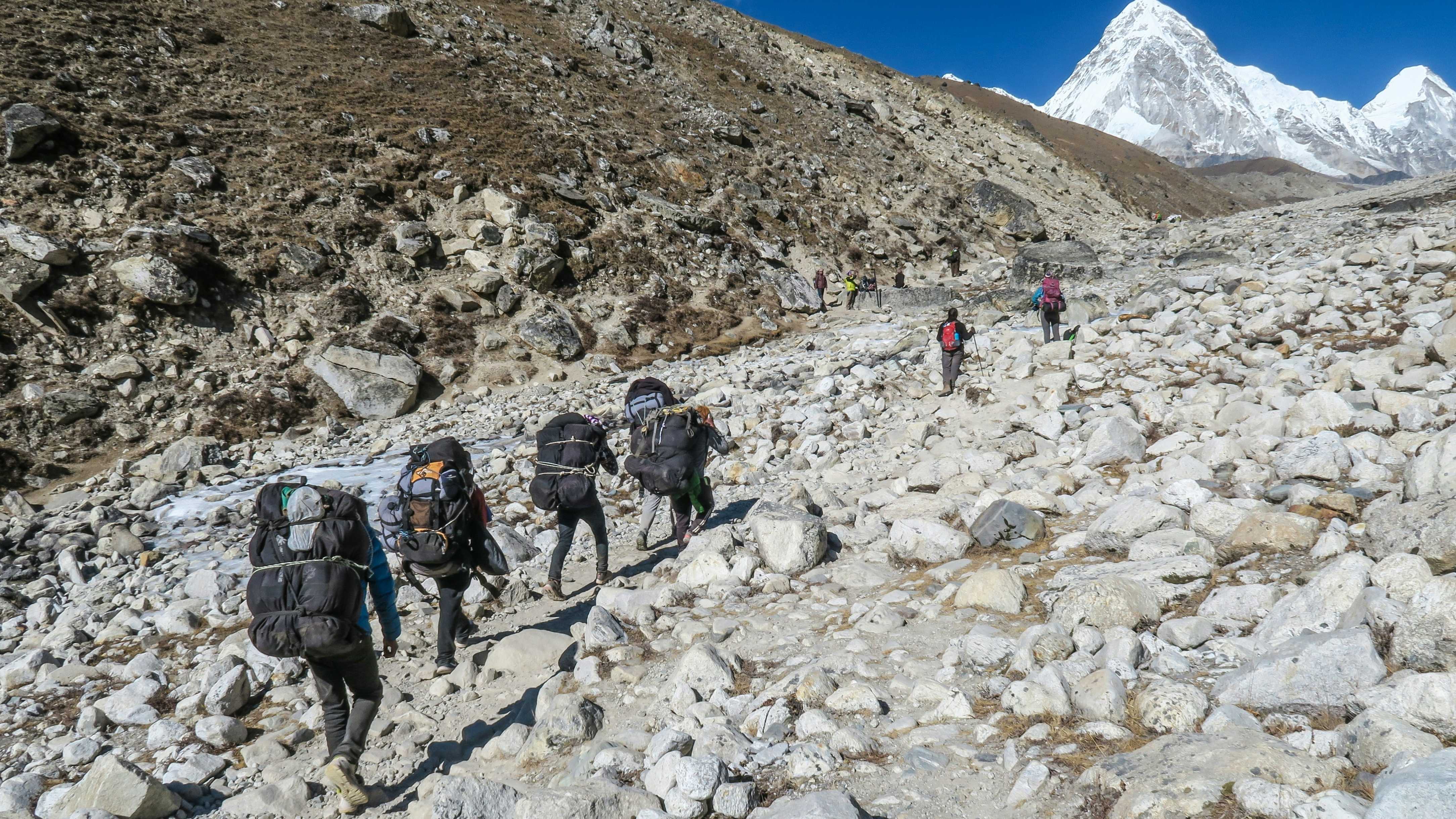
At the Mount Everest summit, the air pressure is so low that oxygen cannot easily enter the bloodstream. Understanding these biological hurdles is essential for every Mount Everest expedition member and high-altitude trekker.
Low blood oxygen, or hypoxia, affects every organ. At the Everest summit, cognitive function drops significantly. This is why Everest trekking guides emphasize slow movement and constant communication to monitor mental clarity.
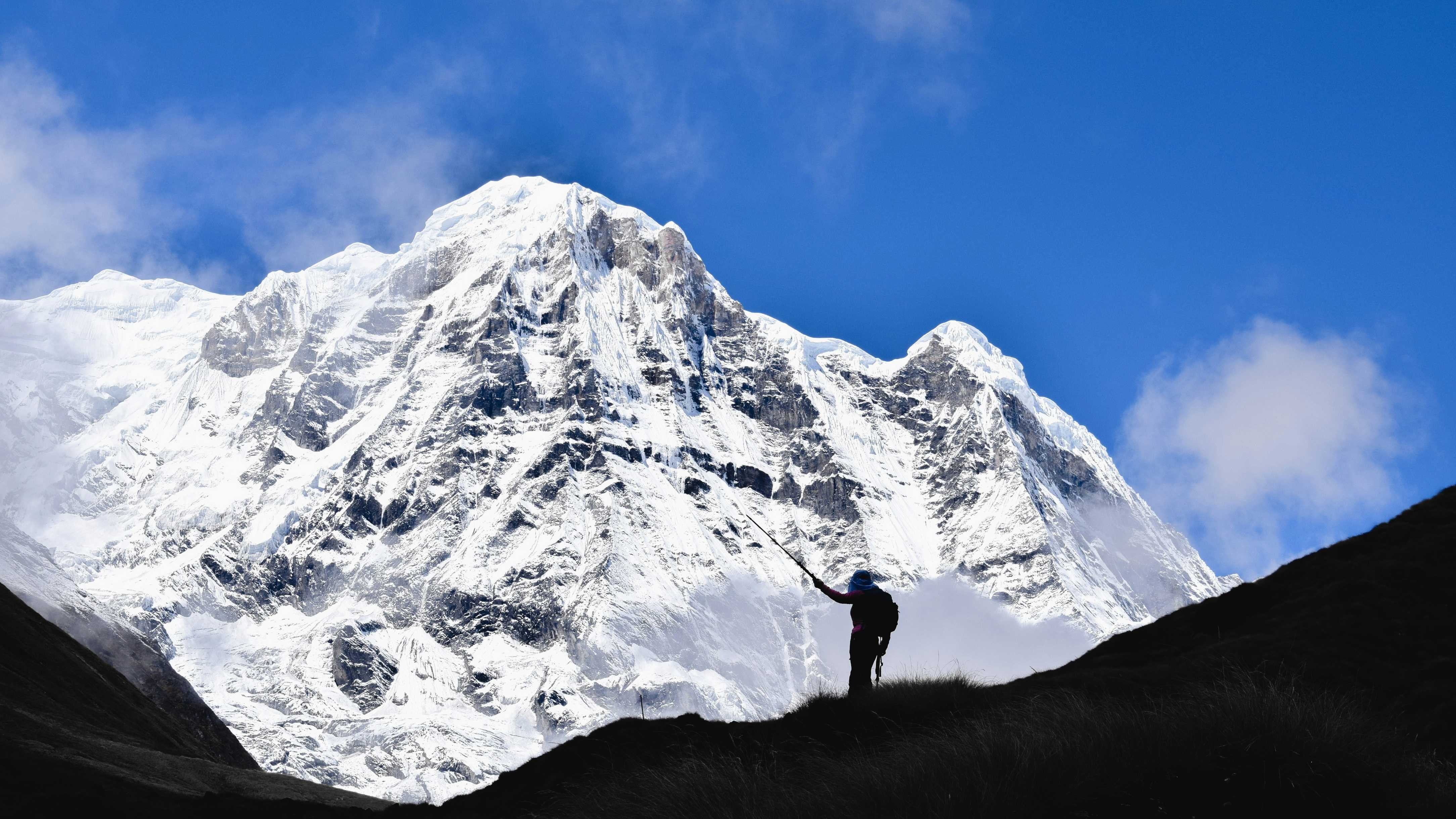
During a Mount Everest expedition, your body produces extra hemoglobin to catch every available oxygen molecule. This process, called erythropoiesis, is what makes acclimatization at Everest Base Camp so critical.
Even elite athletes see their performance drop by 70% near the Mount Everest summit. You aren't just walking; you are operating at the absolute edge of human capability. Endurance is the only currency that matters.
The Mount Everest summit is the ultimate laboratory. By respecting your body's limits, you increase your chances of a successful and safe expedition.