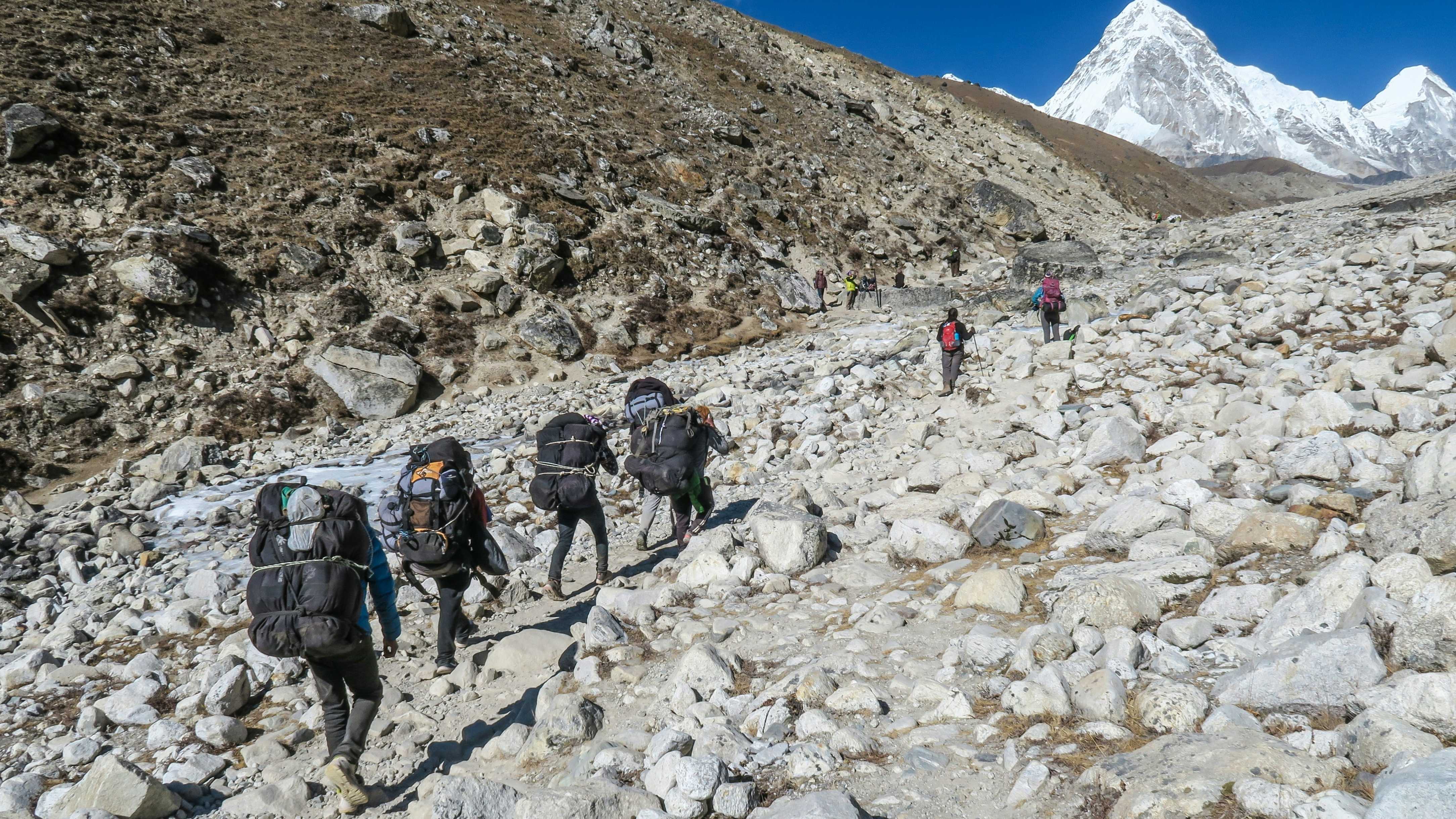
In the extreme cold of a Mount Everest expedition, your body is programmed to survive at any cost. It will shut down blood flow to your fingers and toes to protect your internal organs, a major hurdle for reaching the Mount Everest summit.
Cold triggers vasoconstriction in the extremities. For those on a Mount Everest expedition, this means your fingers can drop to freezing while your core remains warm. Everest trekking peak safety depends on actively fighting this biological response.
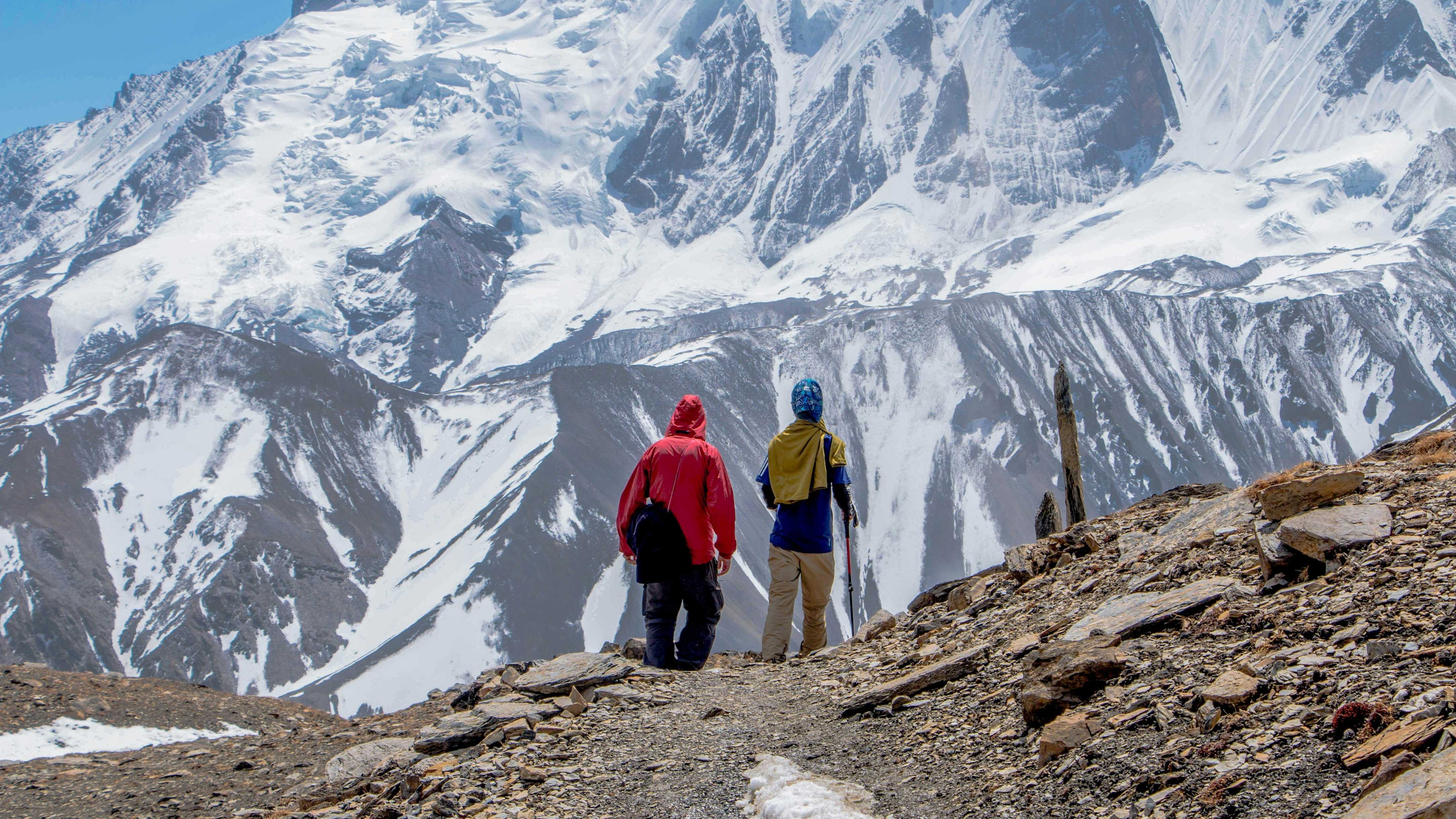
Dehydrated blood is thicker and can't reach the tiny capillaries in your fingertips. This is why drinking 4 liters of water is essential for preventing frostbite on the Mount Everest summit ridge. Fluidity is warmth.
Success on a Mount Everest expedition involves constant micro-movement. Wiggling your toes in your 8,000m boots generates the friction and blood flow needed to survive the summit night and keep your feet healthy for the Everest trekking return.
Numbness is an emergency. Respect your body's signals and prioritize circulation to ensure you reach the Mount Everest summit and return with all your extremities intact.