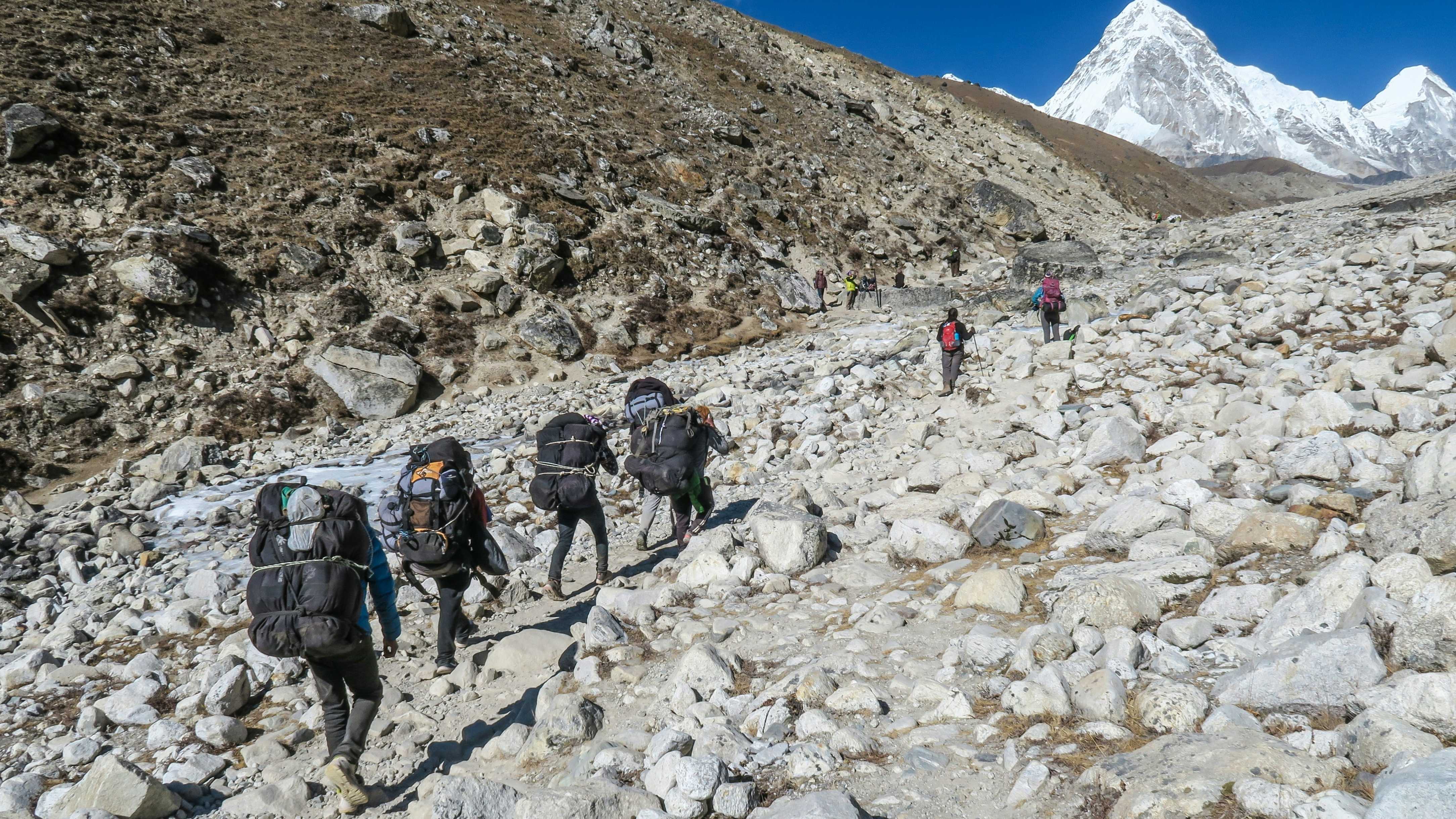
The Mount Everest summit is not just a physical destination; it is a psychological one. On a Mount Everest expedition, your mind often gives up long before your body does. Understanding the mental traps of high-altitude climbing is key to a successful journey.
Fear is natural when facing the Khumbu Icefall or the Lhotse Face. Successful Everest trekking and climbing require acknowledging fear but not letting it paralyze you. Guides help manage this by breaking the route into small, achievable segments.
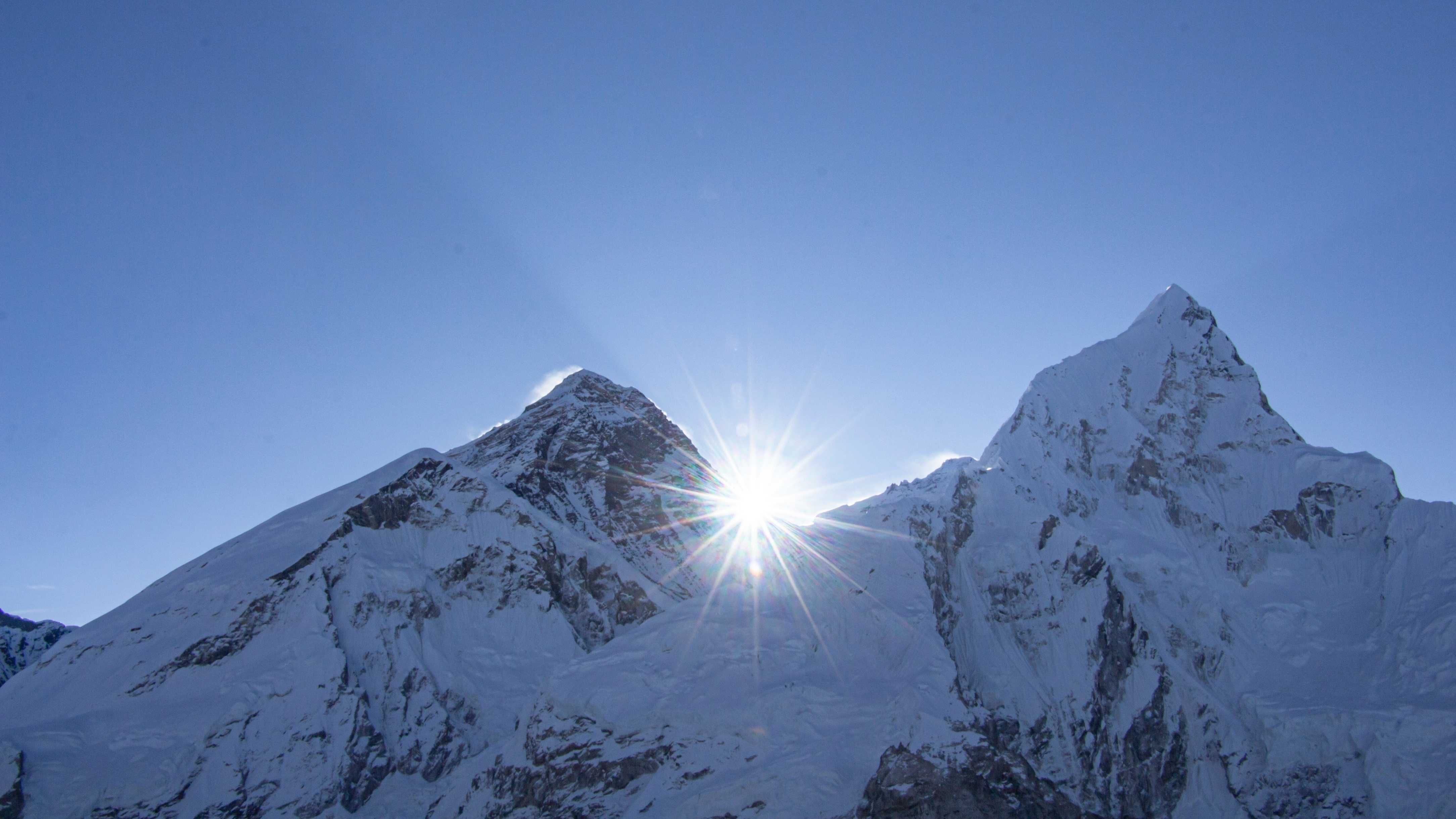
Summit fever—the obsessive desire to reach the top at all costs—is a leading cause of accidents. Every Mount Everest expedition must have a strict turnaround time. Discipline is the difference between a hero and a statistic.
Elite climbers use visualization techniques, imagining themselves standing on the Mount Everest summit and safely returning. This mental rehearsal builds the resilience needed for the grueling days walking to Everest Base Camp and beyond.
Prepare your mind as thoroughly as your legs. A strong psyche is your most valuable asset when the air gets thin and the path to the Mount Everest summit gets steep.