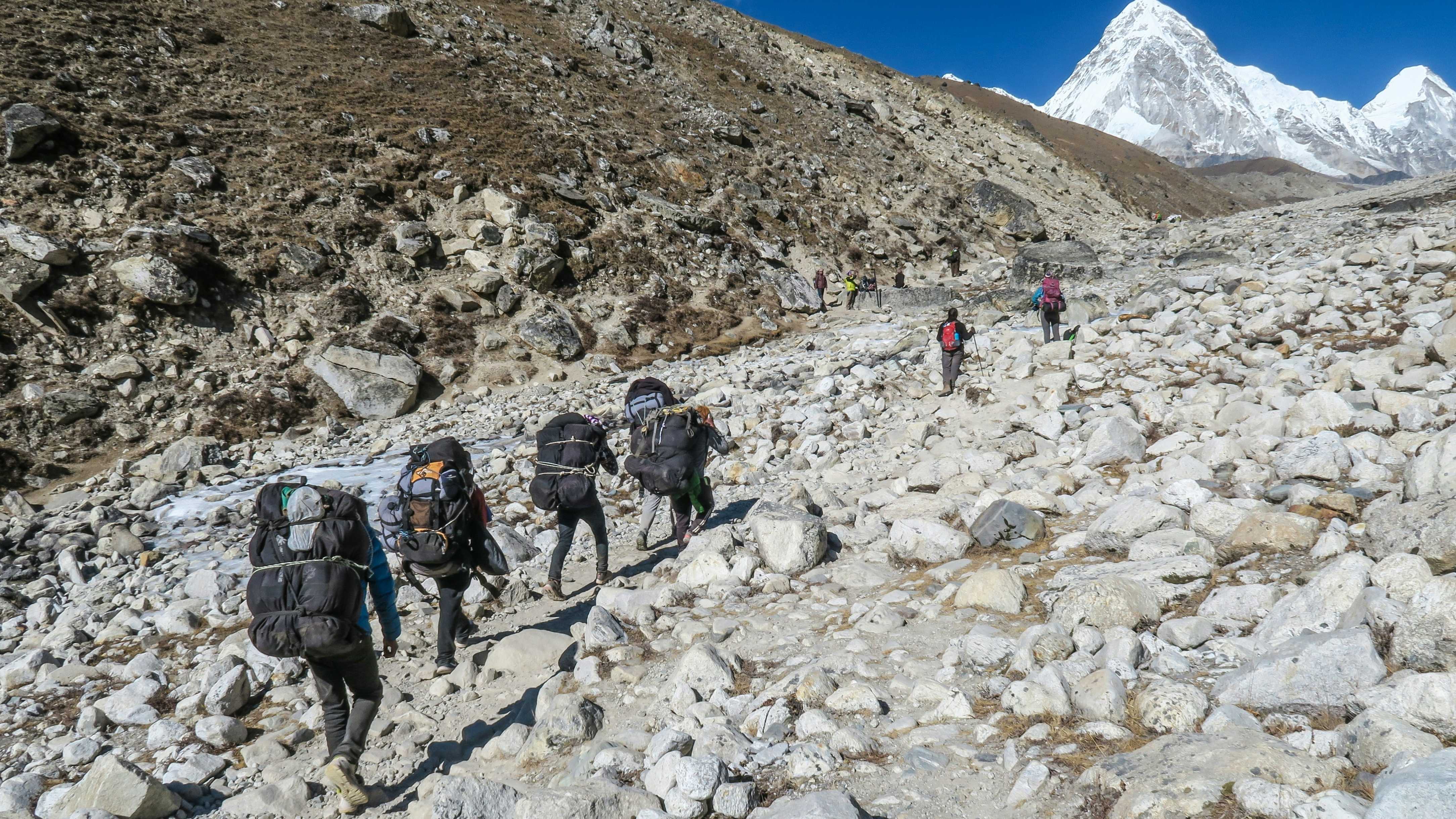
Success on the Mount Everest summit is 10% climbing and 90% timing. Professional meteorologists are now essential members of any major Mount Everest expedition team.
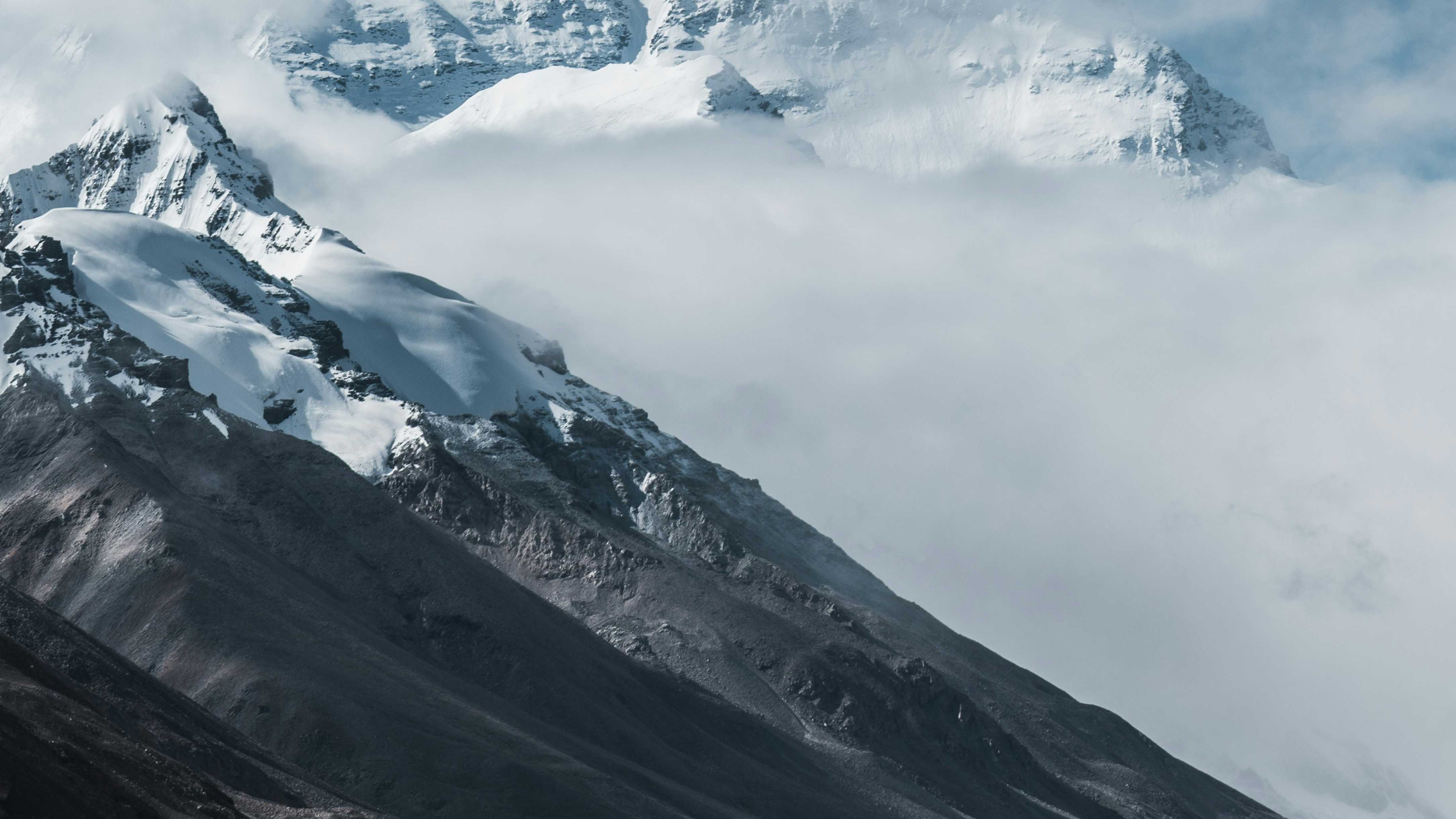
The Jet Stream is a river of high-speed wind that usually sits on the summit. Forecasters look for the brief periods when the stream moves north, creating a 'summit window' of calm weather.
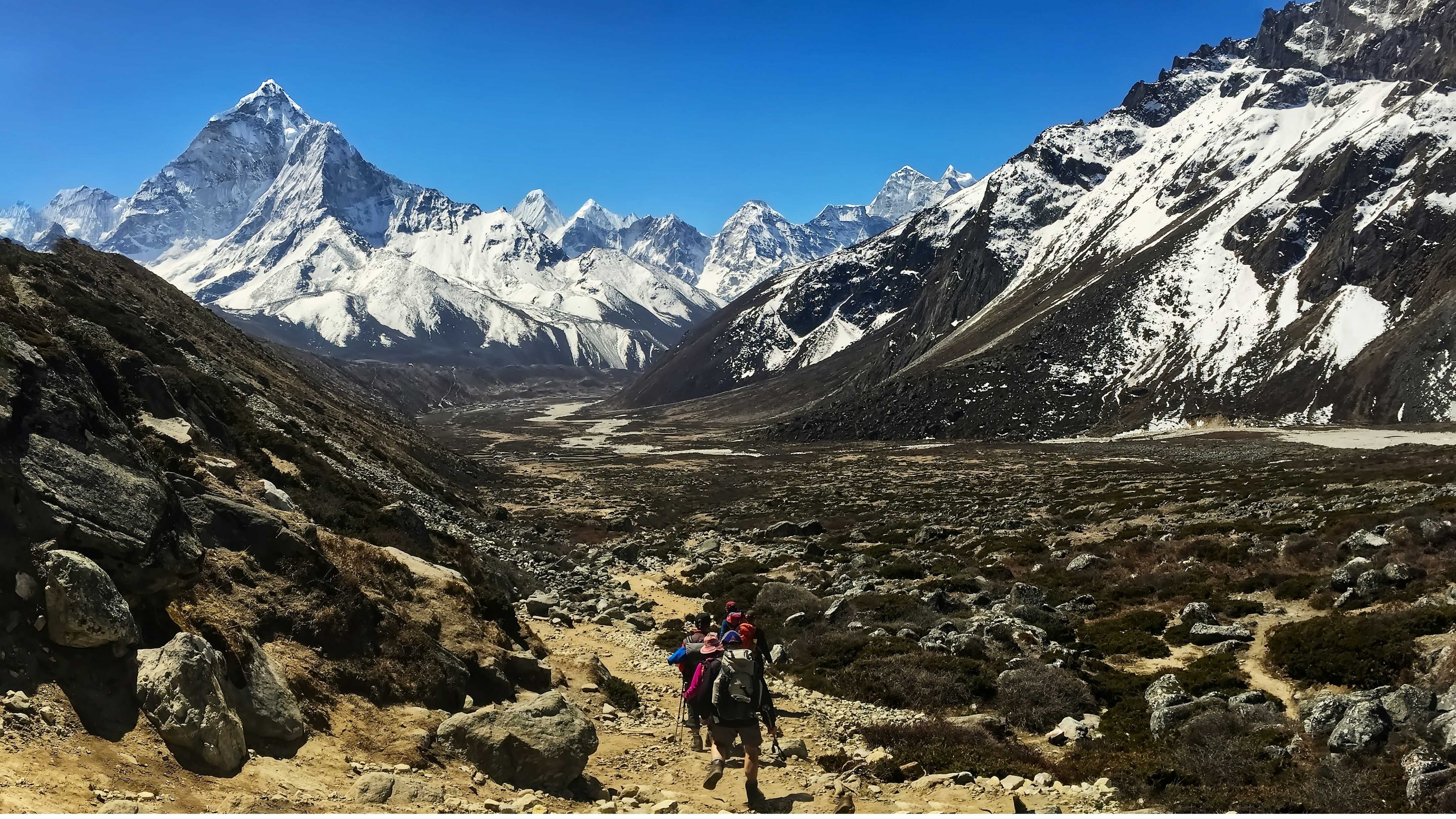
Low-pressure systems bring storms and snow, making the Everest trekking trails dangerous. High-pressure 'bubbles' are what every expedition leader is waiting for before committing to the top.
Climbers now receive weather updates via satellite text at high camps. This real-time data allows for split-second decisions that can mean the difference between a summit and a retreat.
You don't fight the weather on Everest; you wait for its permission. Modern forecasting has made the Mount Everest summit safer than ever before.