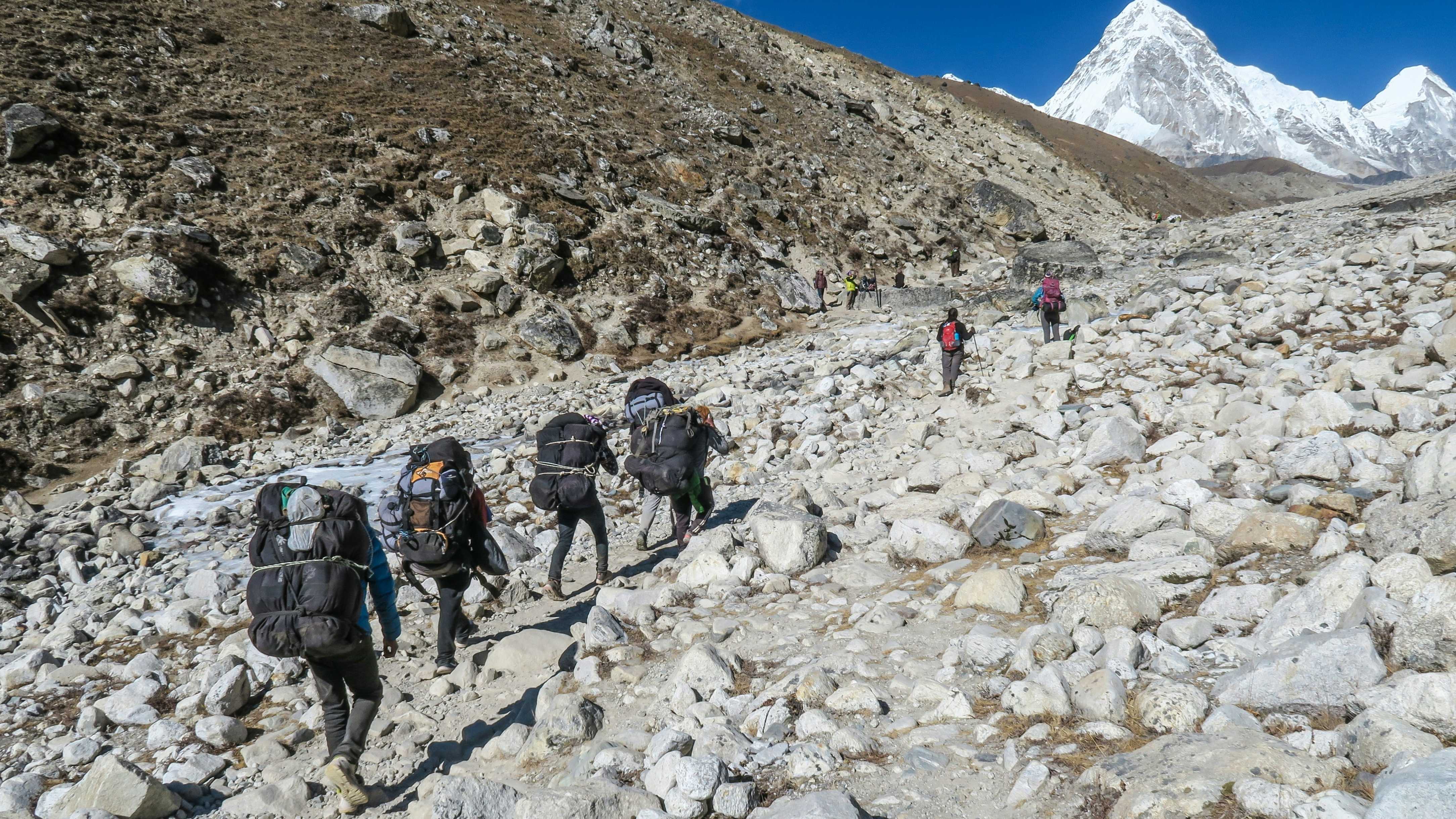
Sleeping at Everest Base Camp is a struggle due to periodic breathing and thin air. Once your Mount Everest expedition is over, you might find it hard to adjust to the 'thick' air and quiet of sea level.
Back home, your body may feel 'heavy' as it processes an abundance of oxygen. It’s common to feel extremely drowsy for the first week after Everest trekking, as your nervous system finally exits 'survival mode'.
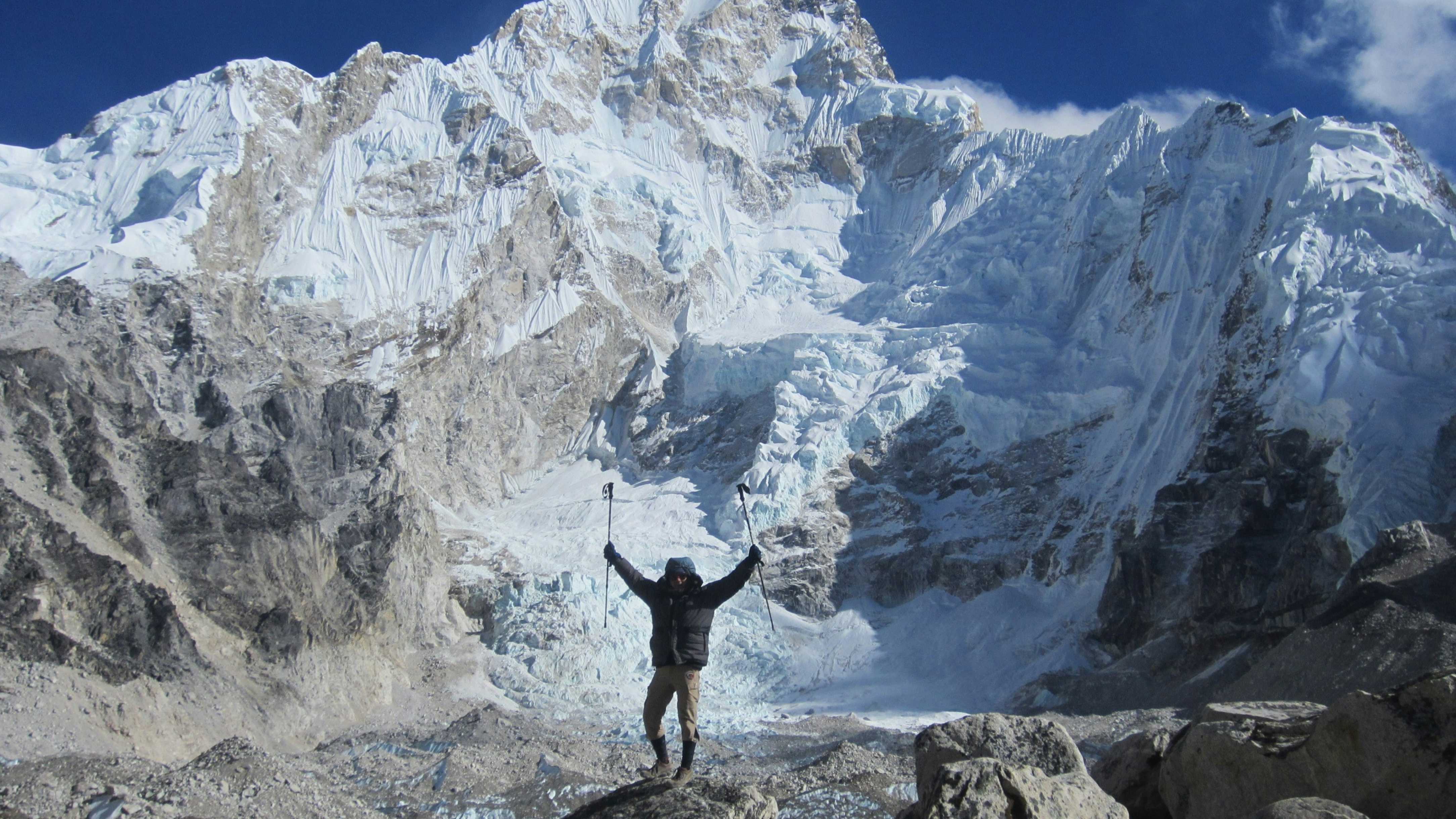
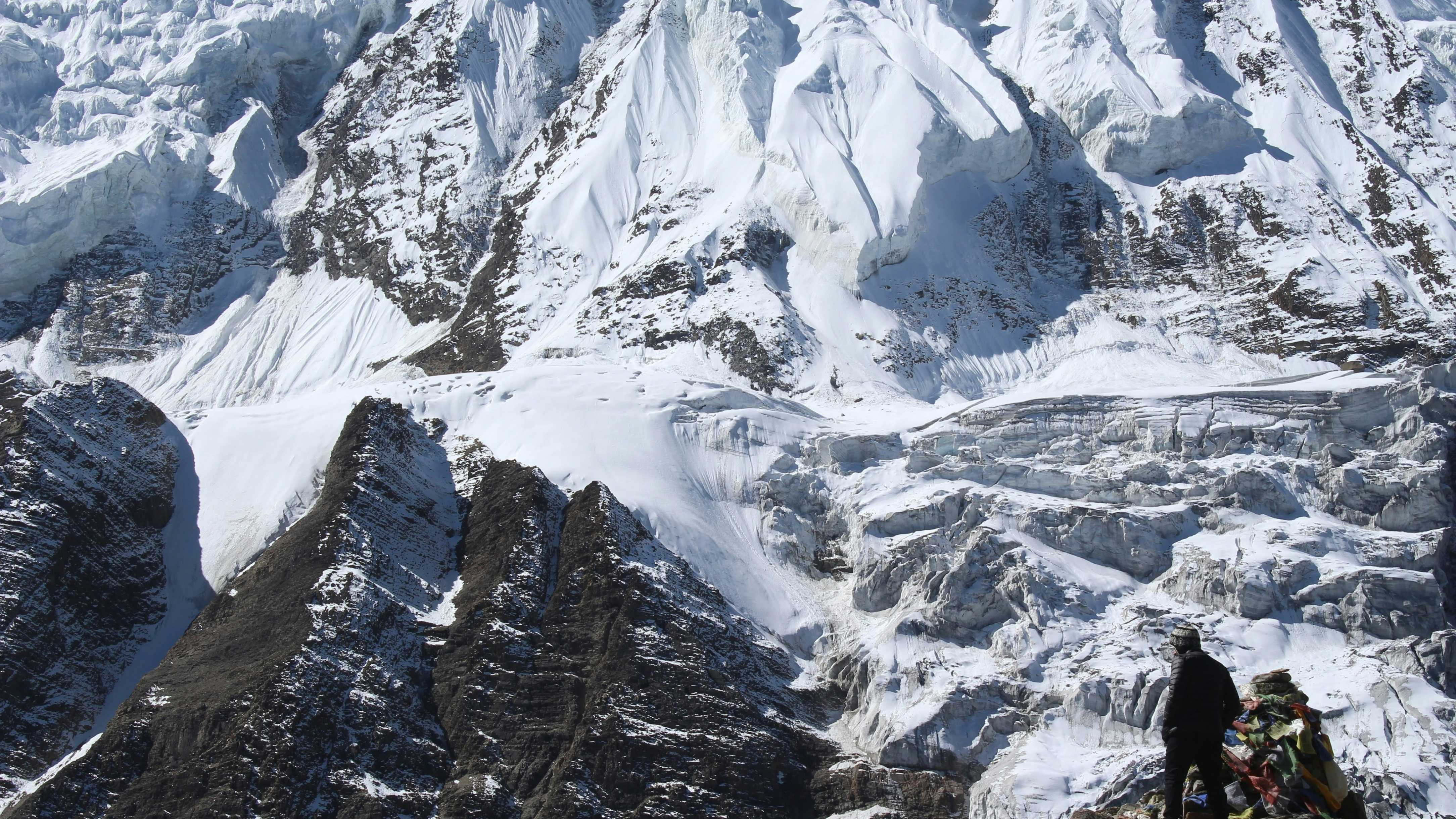
You’ve spent weeks listening to the groan of the Khumbu Glacier and the wind hitting the Mount Everest summit. The sudden silence of a bedroom can be jarring. Use white noise to help transition from the expedition atmosphere.
The early-to-bed, early-to-rise routine of Everest trekking is a great habit. Try to maintain it back home to keep the mental discipline you gained during your Mount Everest expedition.
Sleep is the most powerful recovery tool. Respect your body's need for deep rest after the physiological marathon of a Mount Everest summit trip.