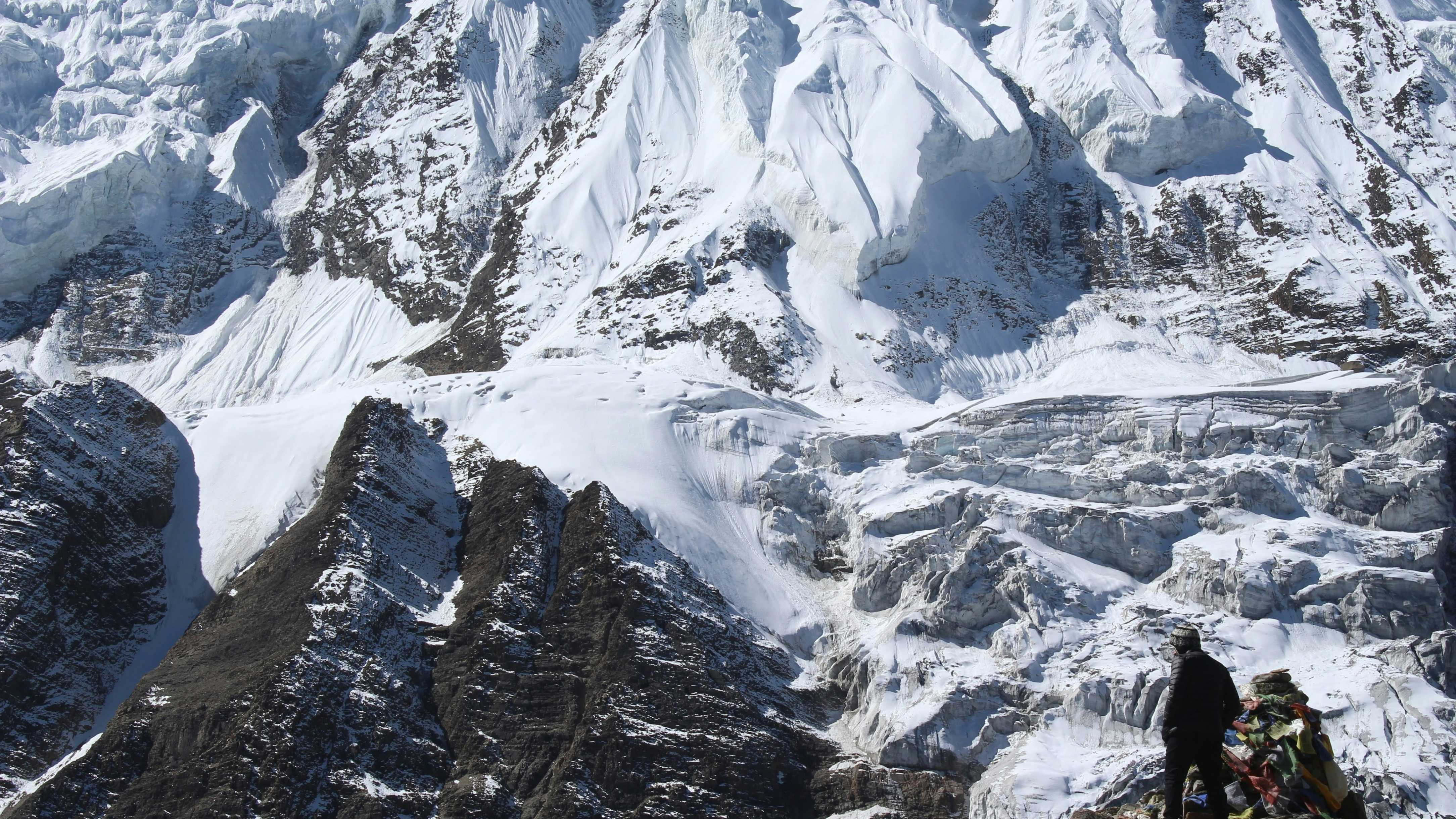
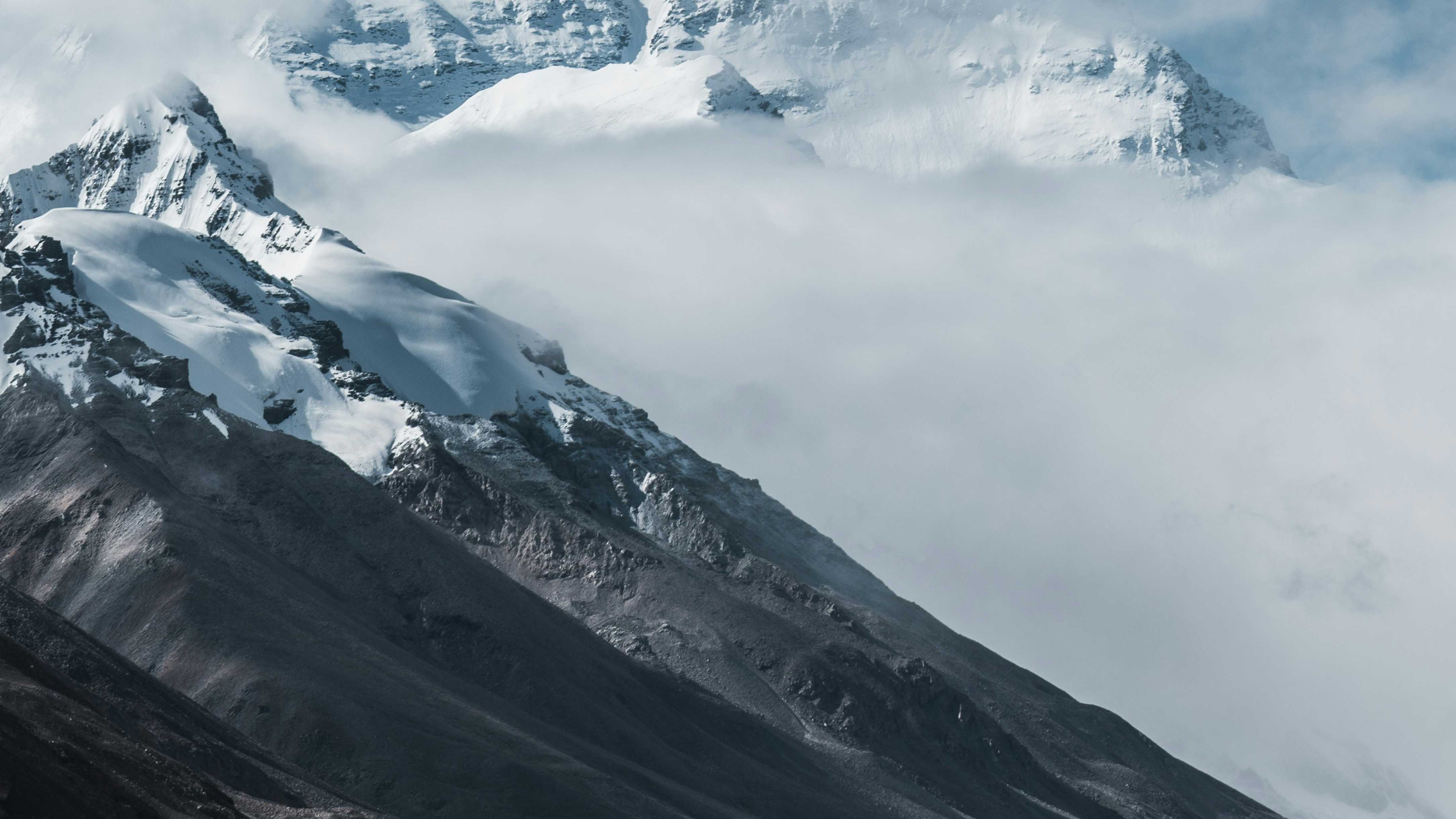
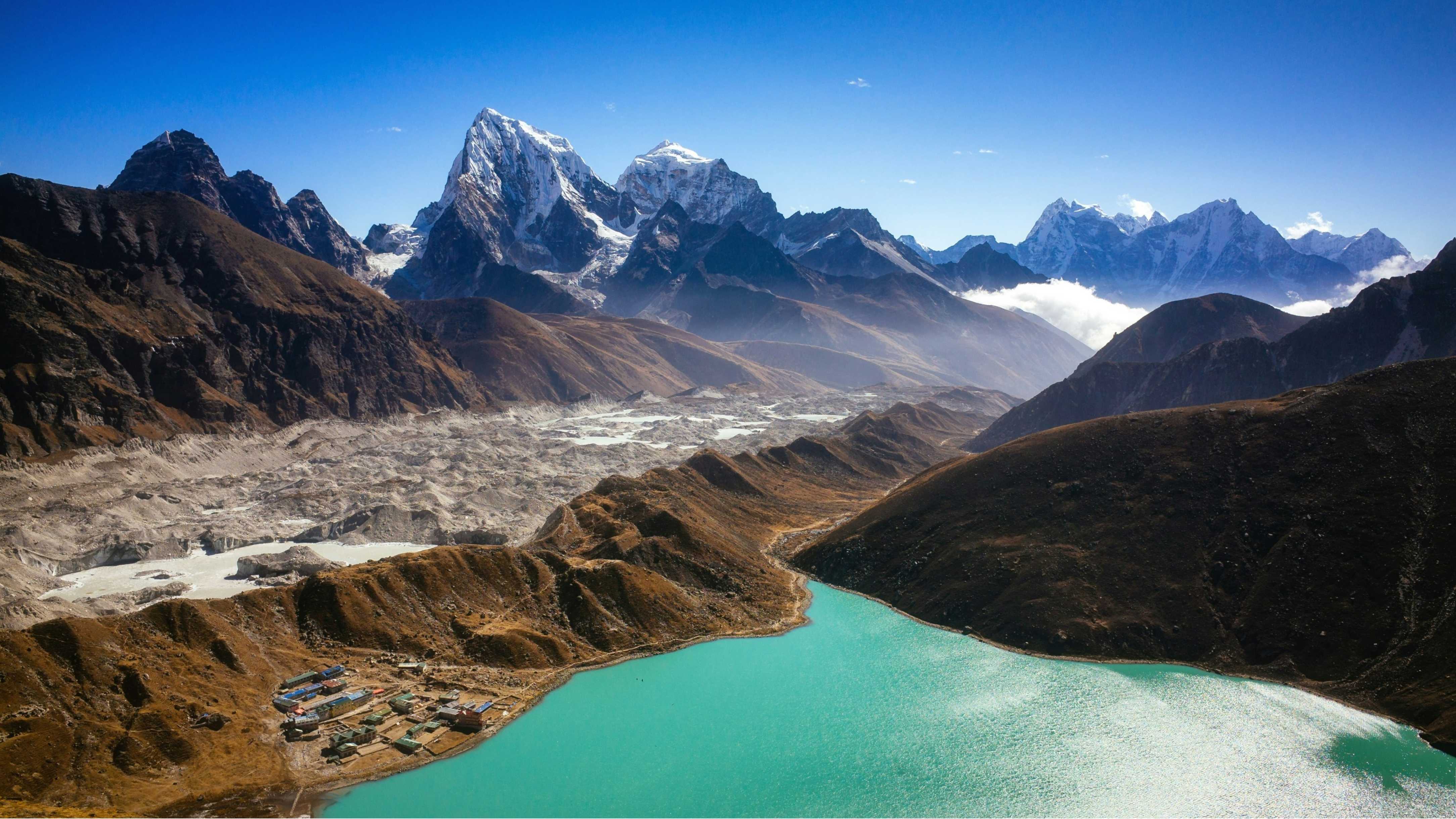
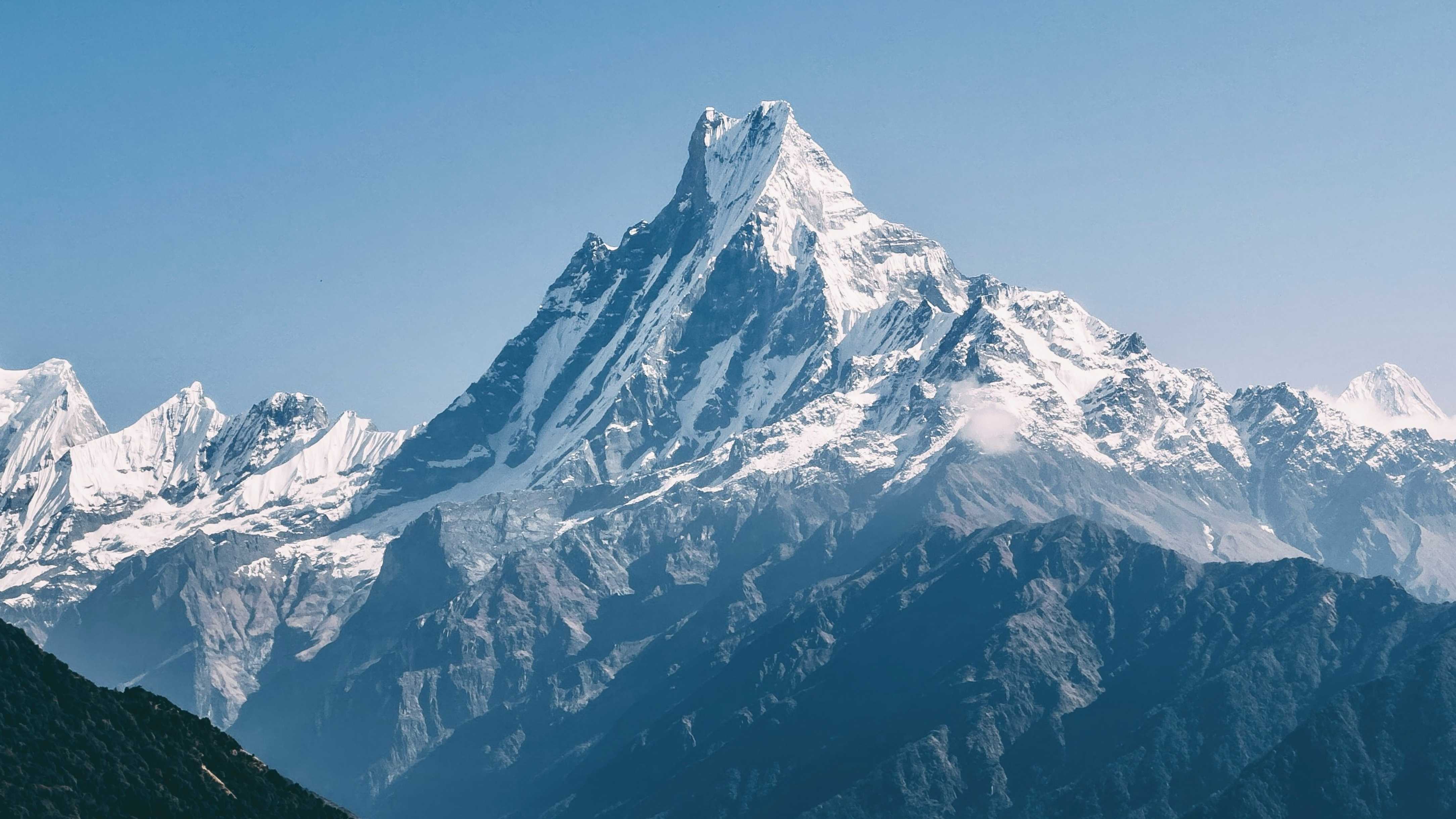
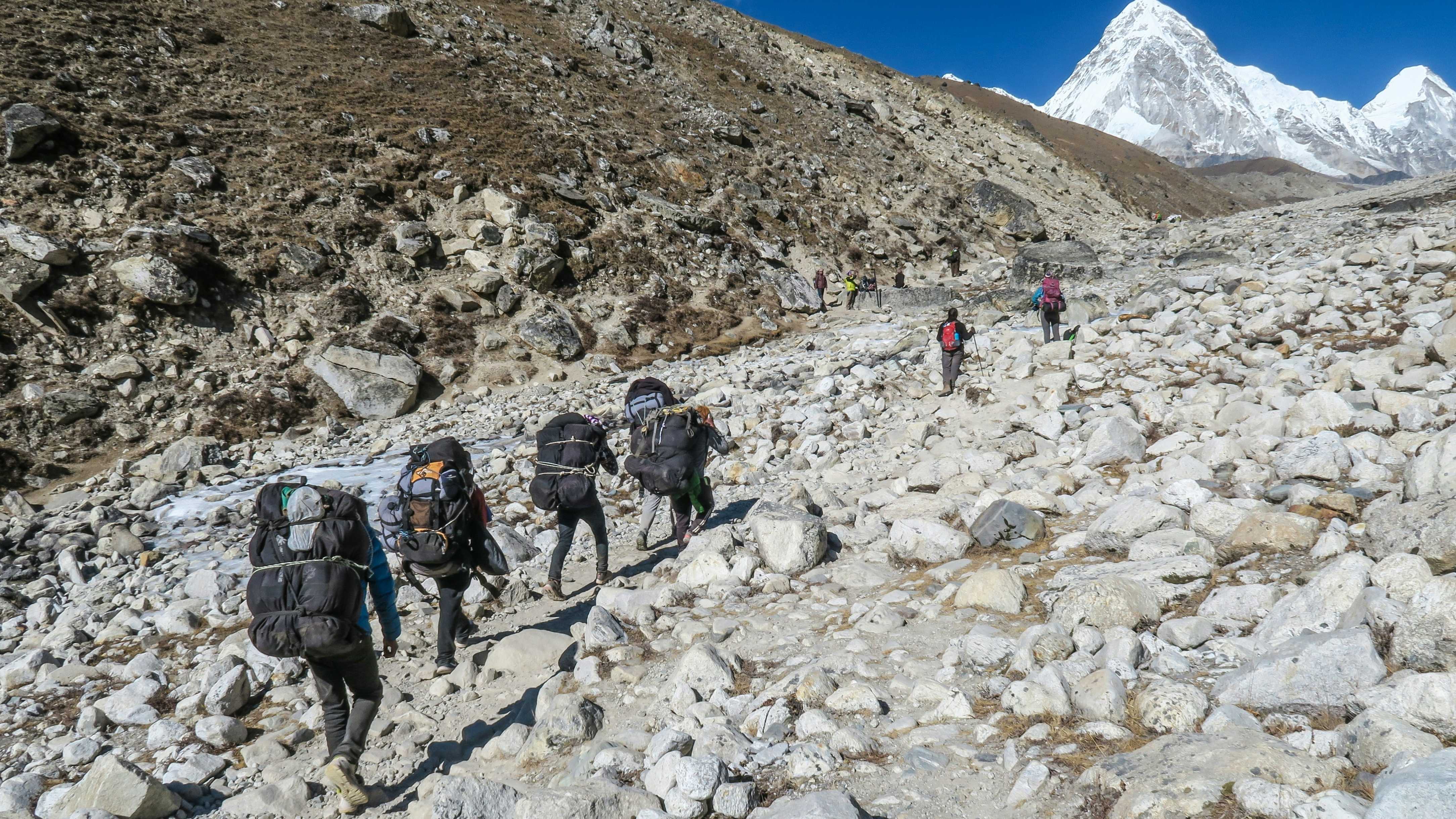
The monsoon acts as a giant washing machine for the Himalayas. Once the rains stop in late September, the air becomes incredibly clear, offering the best visibility for Everest trekking and Mount Everest summit photography.
In other seasons, dust from the plains can create a haze. In autumn, the sky is a deep, indigo blue. This contrast makes the white snow of the Mount Everest summit look incredibly sharp and close.
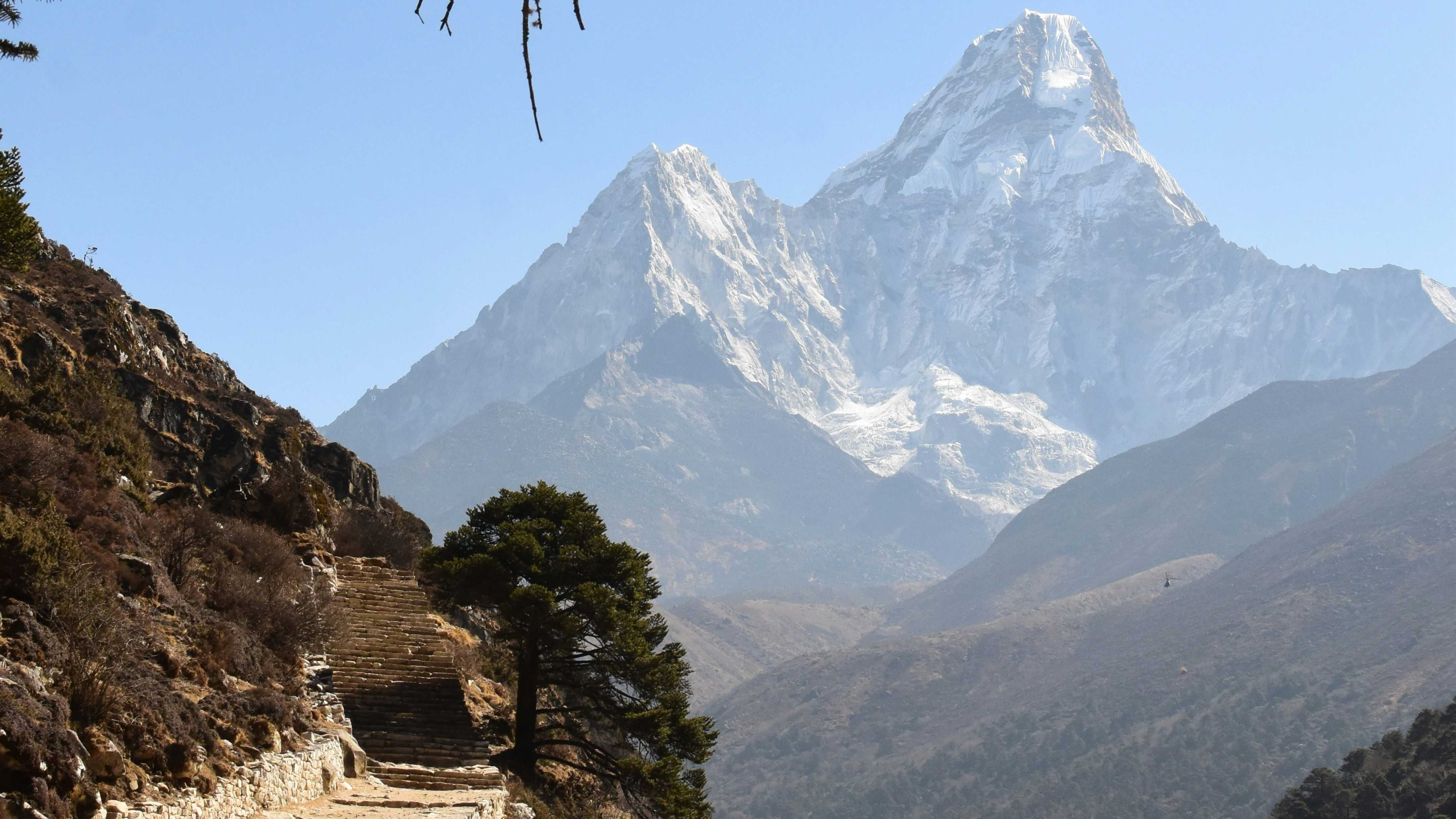
Because the air is crisp, the sunrise and sunset light is more intense. The 'Golden Hour' on the Mount Everest summit ridge is a daily spectacle for those resting at Everest Base Camp or Kala Patthar.
Autumn offers the most stable high-pressure systems. This means fewer flight delays to Lukla and more consistent views throughout your Everest trekking itinerary. It is the gold standard for a Mount Everest expedition.
If your primary goal is to see the Mount Everest summit in its most majestic state, book your expedition for the autumn months. The clarity is simply life-changing.