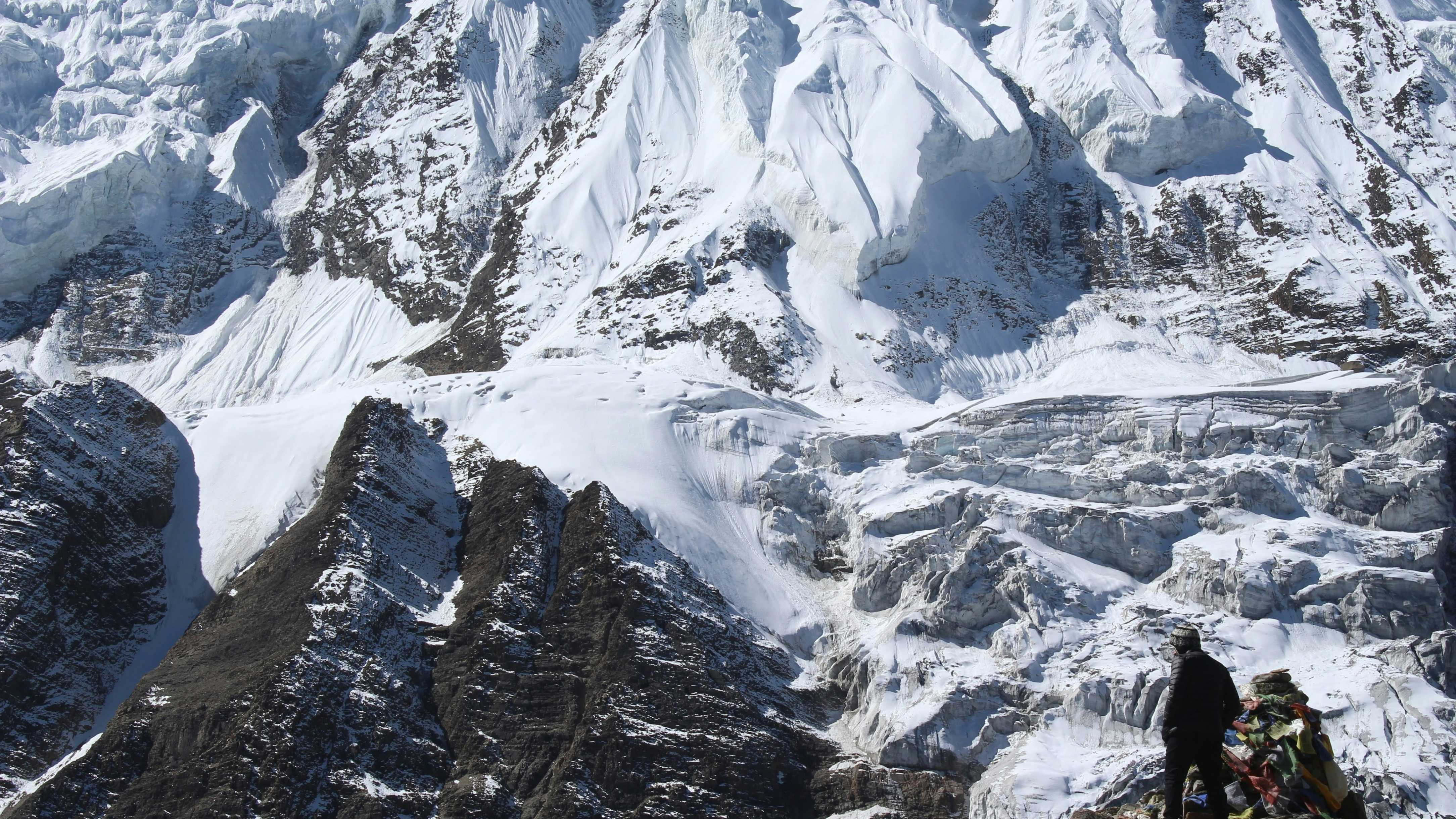
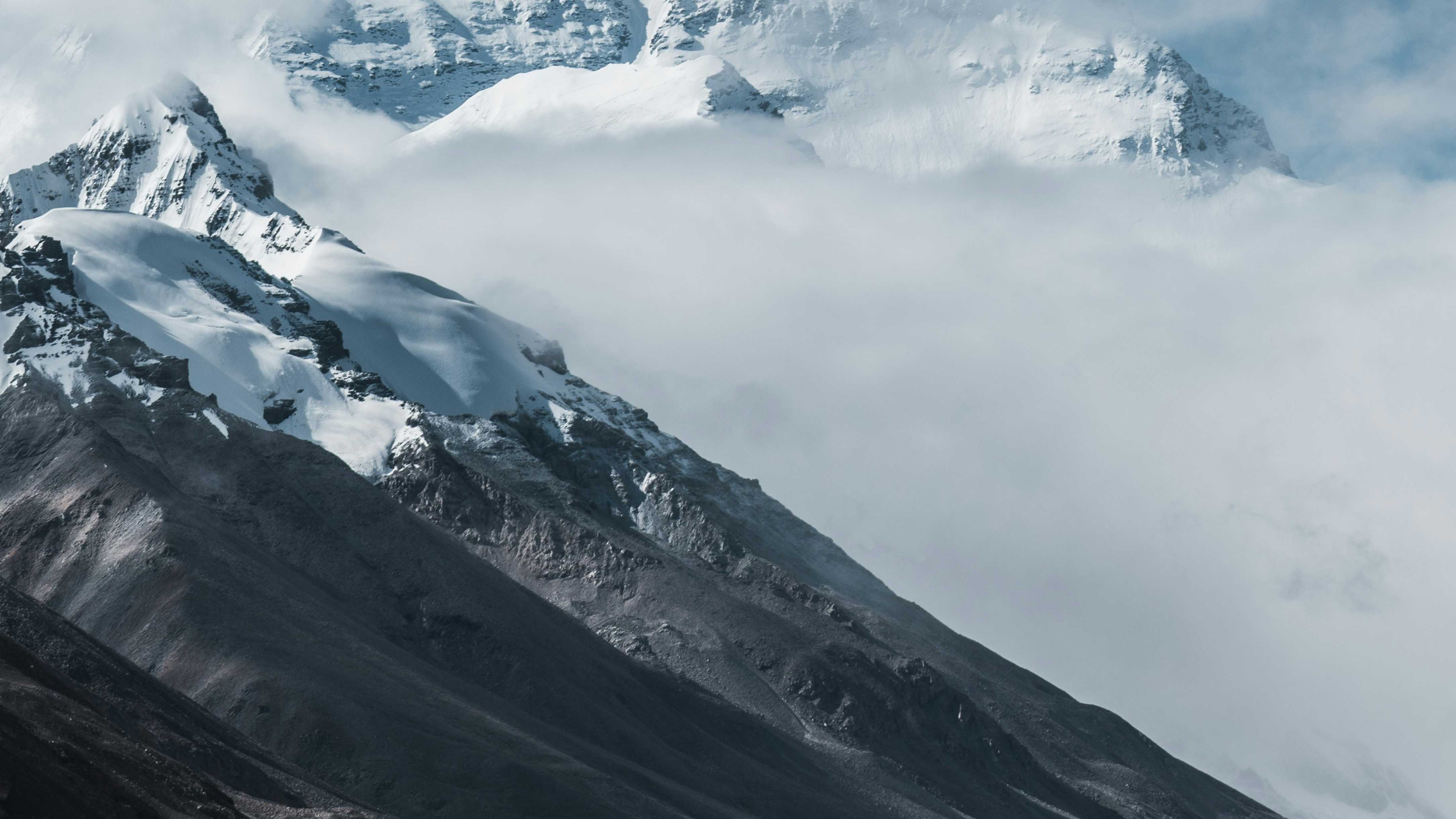
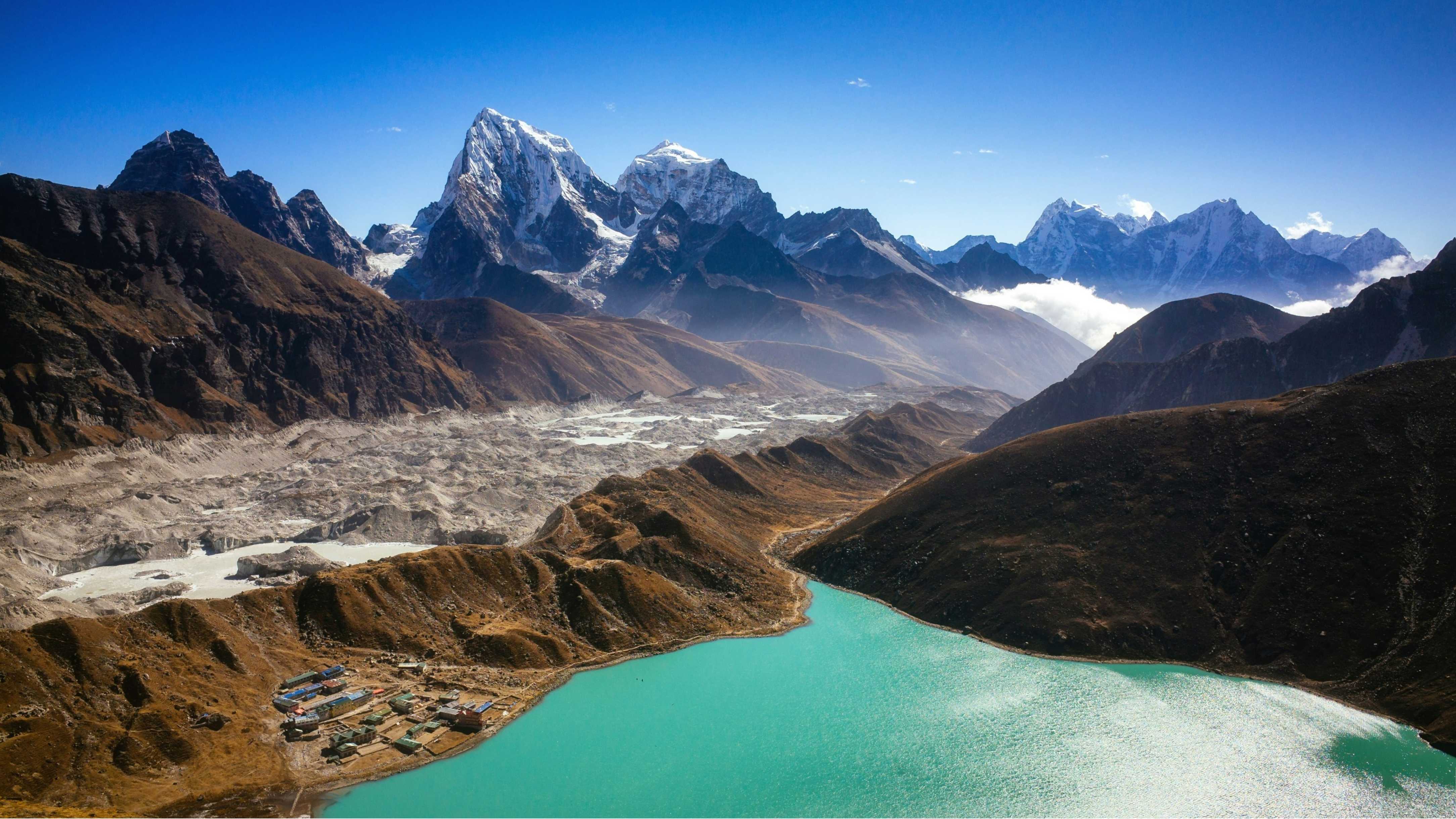
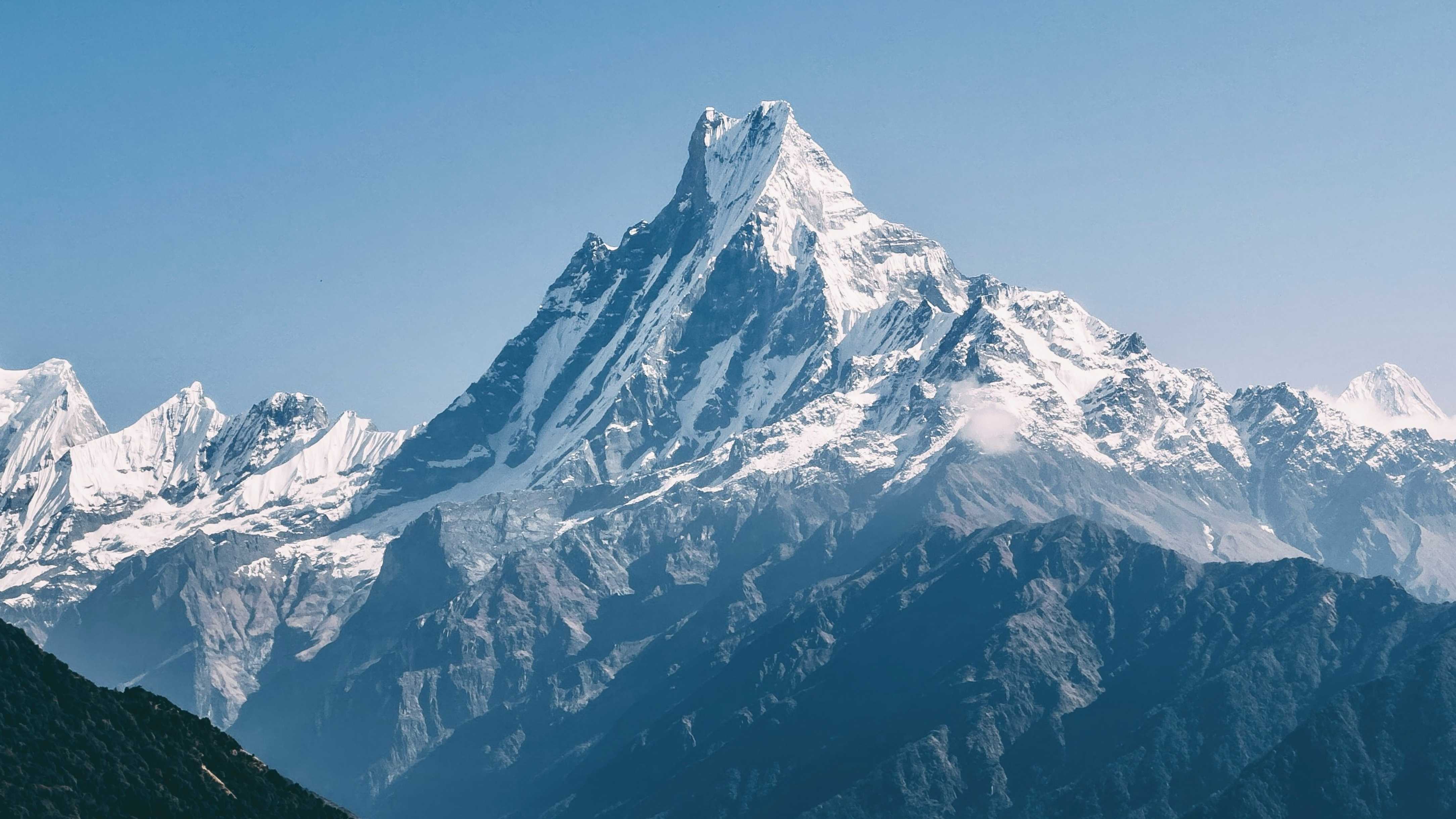
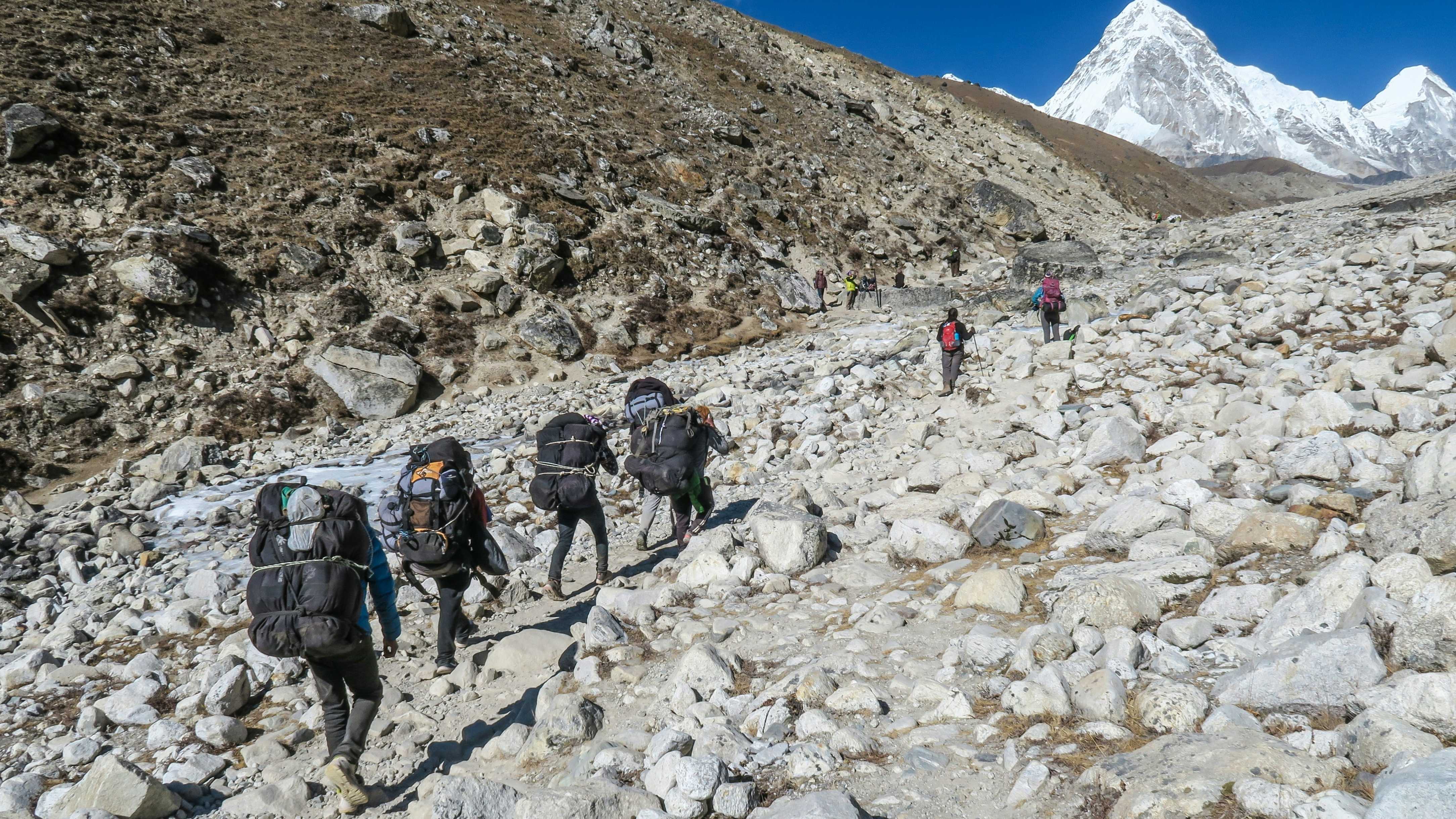
It sounds impossible, but the Mount Everest summit is made of marine limestone. Millions of years ago, the highest point on Earth was at the bottom of the Tethys Sea. Understanding the geology adds a new layer of wonder to your Everest trekking adventure.
About 50 million years ago, the Indian tectonic plate crashed into the Eurasian plate. This slow-motion collision forced the land upwards, creating the Himalayas. The process continues today; the Mount Everest expedition region is still rising by a few millimeters every year.
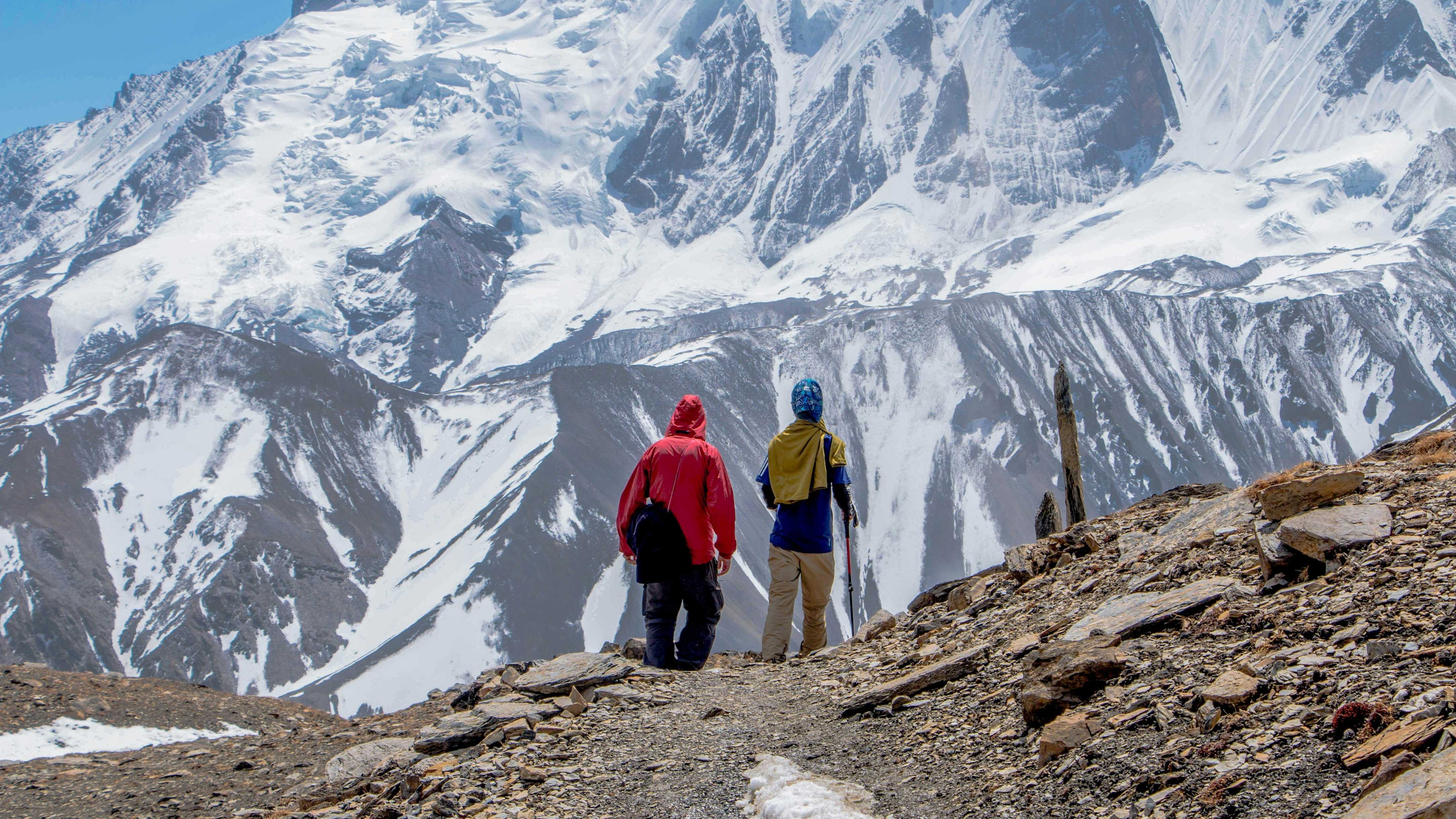
Climbers near the summit cross the famous 'Yellow Band', a distinct layer of marble-rich rock. Seeing this band is a milestone for any climber attempting the Mount Everest summit. It is a visual marker of the mountain's violent geological history.
Because the summit was once an ocean floor, climbers have found fossils of sea creatures like crinoids and trilobites near the top. Finding a seashell on your Everest expedition is the ultimate geological paradox.
Everest isn't just a rock; it's a dynamic, growing monument to the power of our planet.