Nobody plans to get rescued, but on a Mount Everest expedition, knowing the procedure can save your life. Helicopter evacuations are the primary safety net for altitude sickness or injury.
Guides are trained to assess vitals. If oxygen saturation drops dangerously low or HAPE/HACE symptoms appear, they will call for a chopper. It is a medical decision, not a convenience choice.
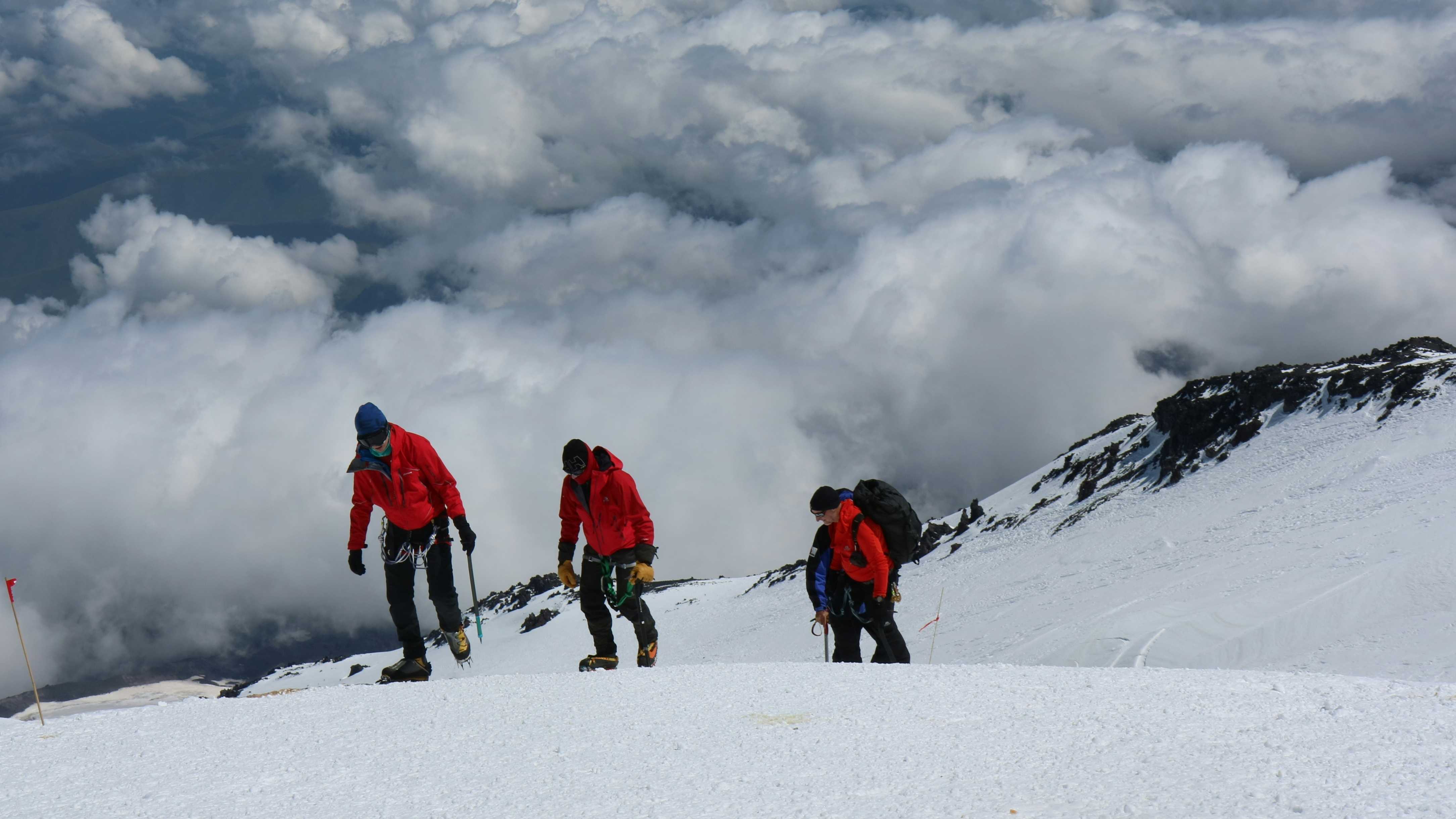
Before the pilot takes off, they need payment guarantee. Your insurance company must authorize the rescue immediately. Keep your policy number and emergency contact handy at all times during Everest trekking.
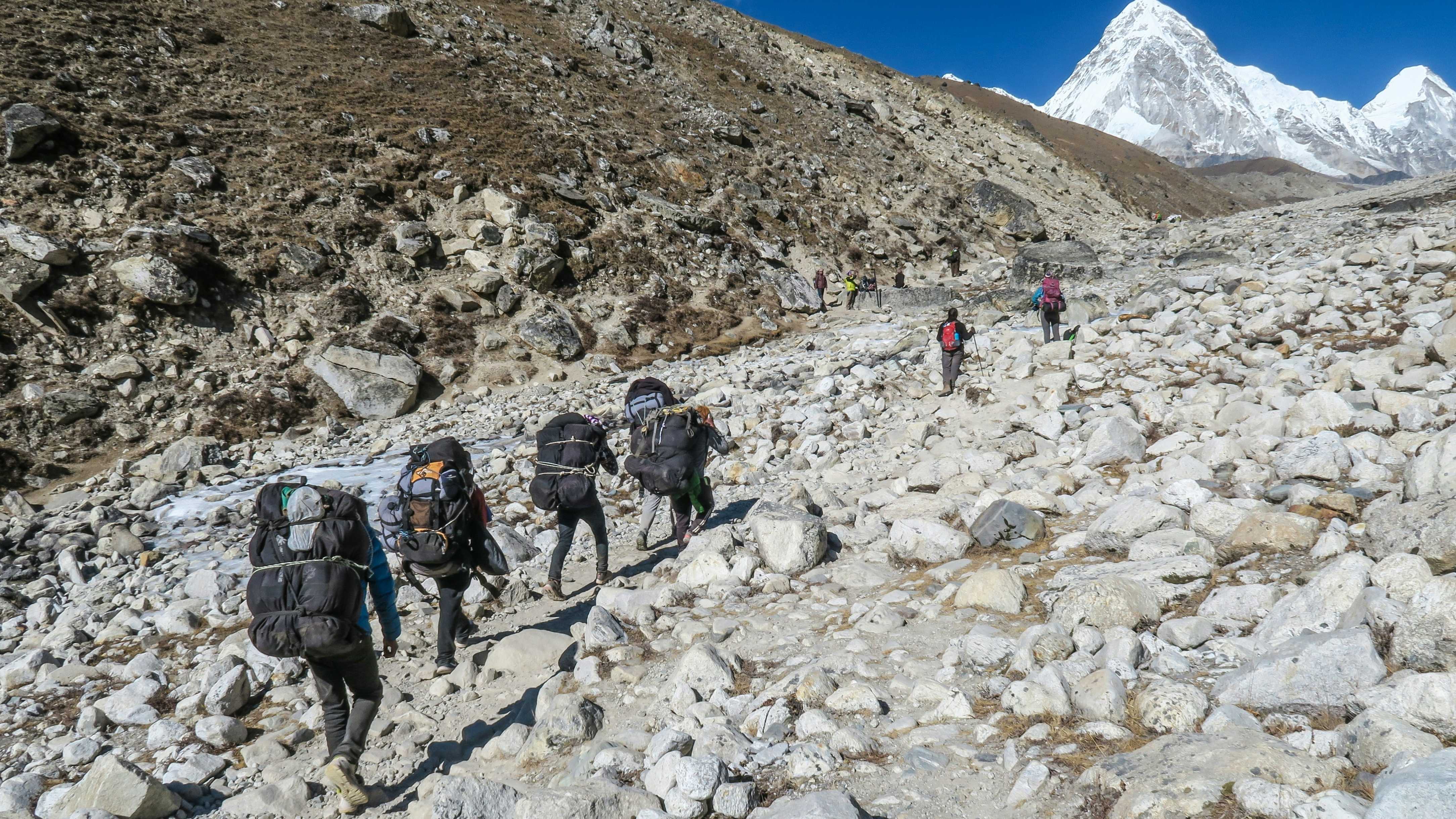
Helicopters fly visually. Bad weather can ground them for days. If you are sick and the weather closes in, you may have to be carried down by horse or porter. Never rely 100% on the chopper.
Have the right insurance and trust your guide's judgment. A rescue is the end of the trek, but it ensures you live to climb another day.