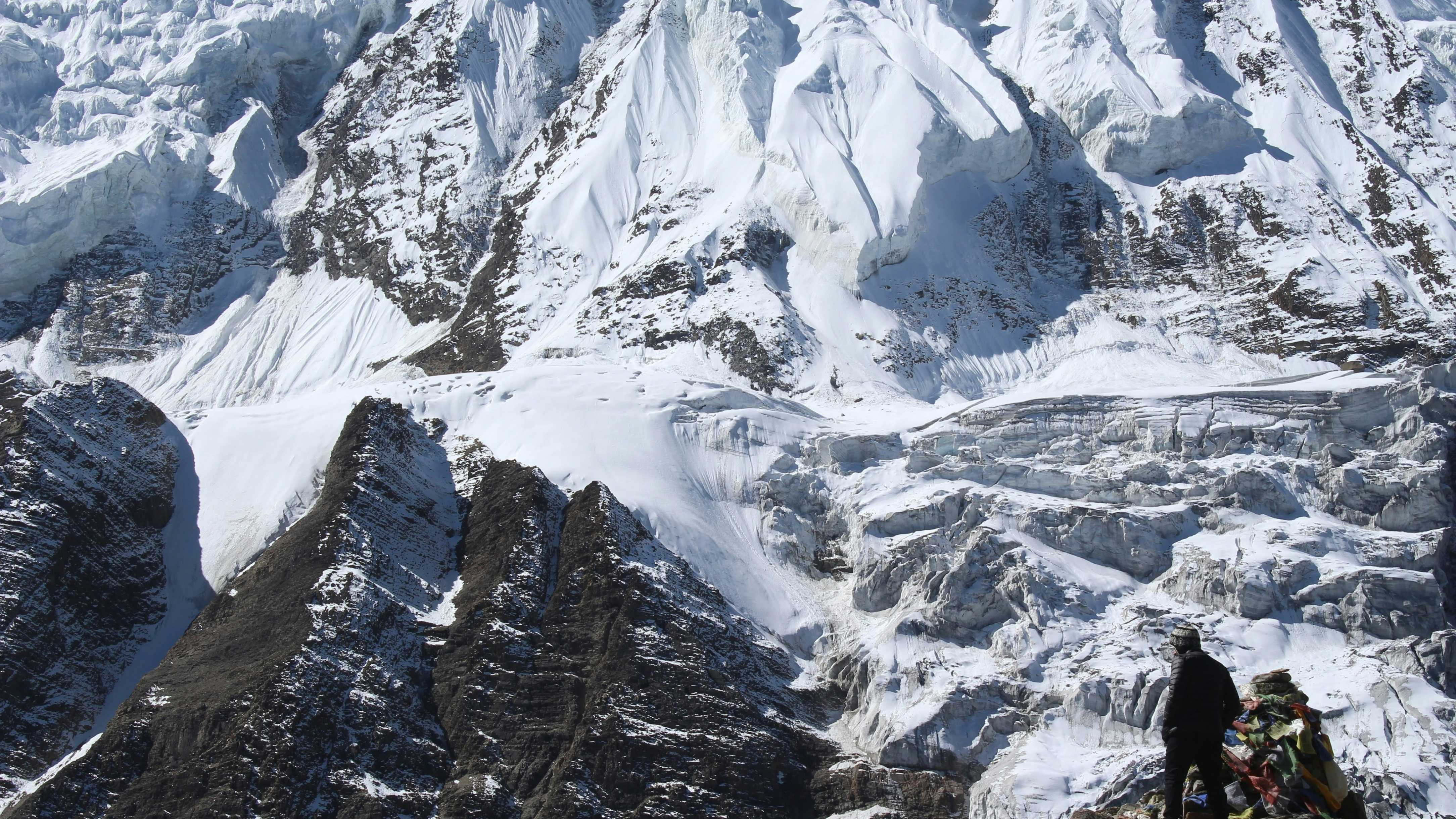
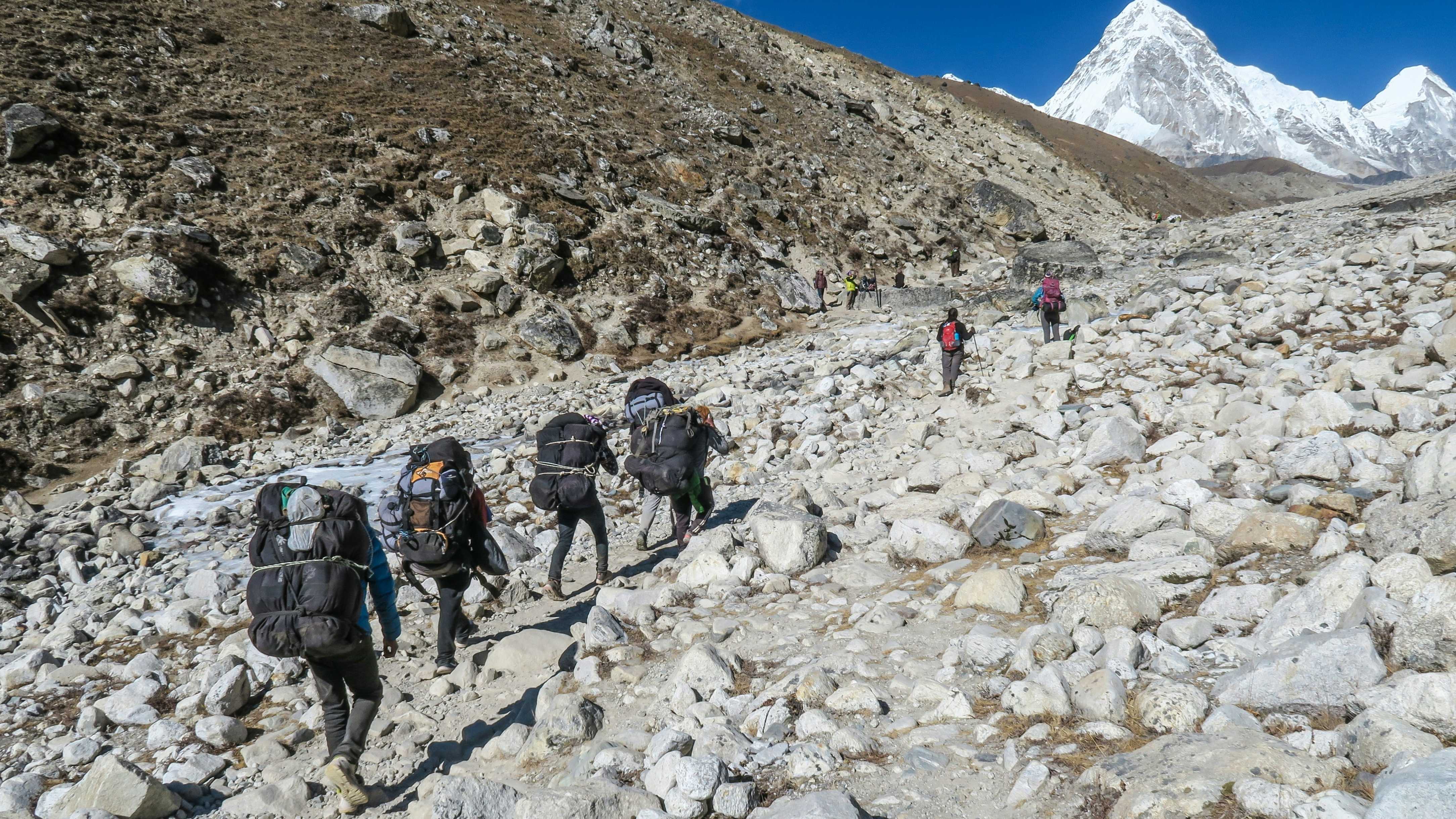
Avalanches are the leading cause of death on Mount Everest expeditions. Managing this risk is a 24/7 job for guides and climbers preparing for the Mount Everest summit.
This is the most dangerous zone. Expeditions move through the Icefall in the early morning when the ice is frozen solid, minimizing the risk of collapse on their way toward the Mount Everest summit.
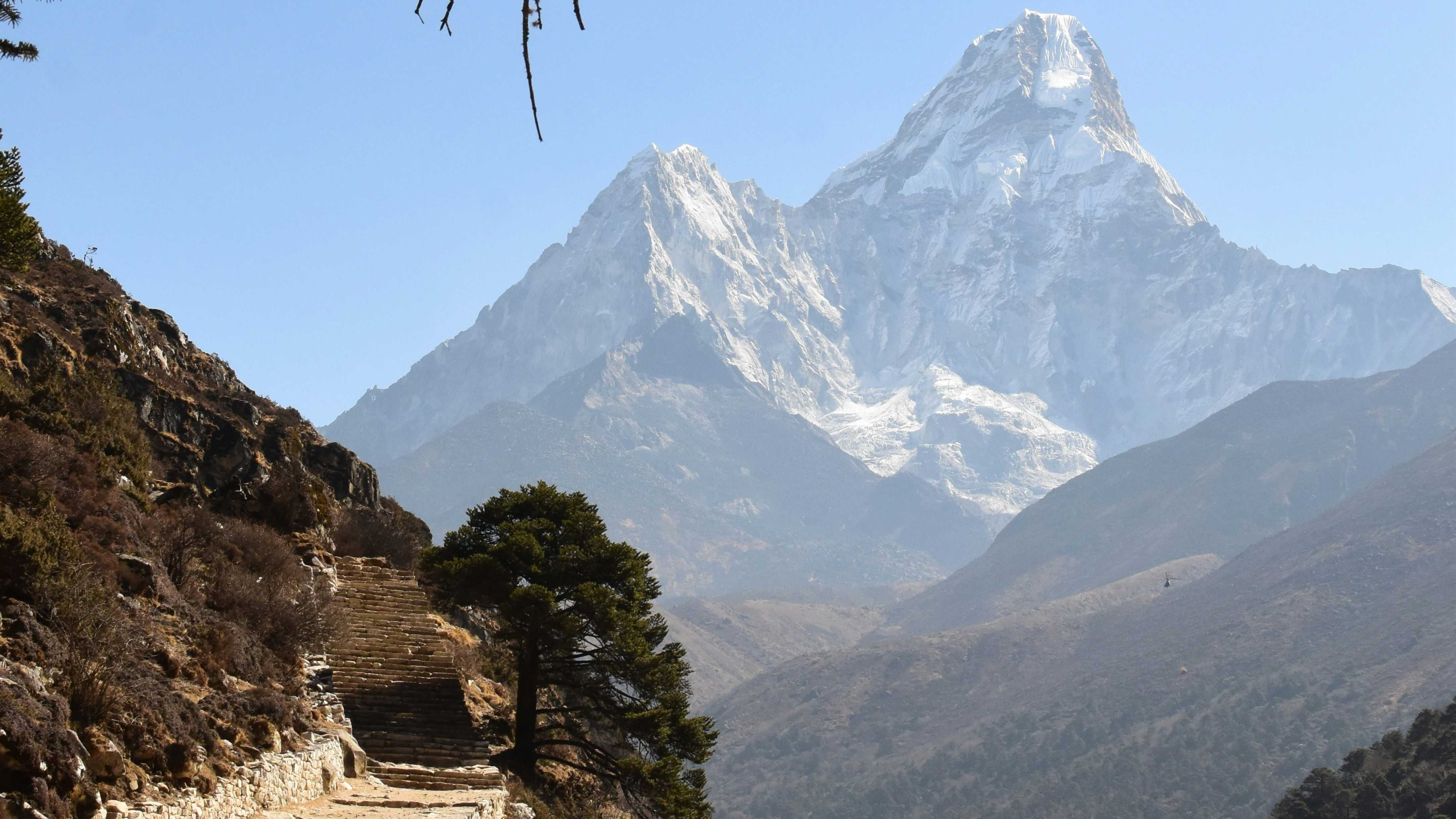
The steep wall between Camp 2 and 3 is prone to icefall and snow slides. Guides use binoculars to check for fractures daily during the Everest trekking and climbing season.
Advanced Mount Everest expedition teams are now using ground-penetrating radar to check for crevasses and snow stability. This high-tech approach is making the Mount Everest summit safer.
Snow is unpredictable. A successful Mount Everest expedition always prioritizes safety over the summit when the snow starts to shift.