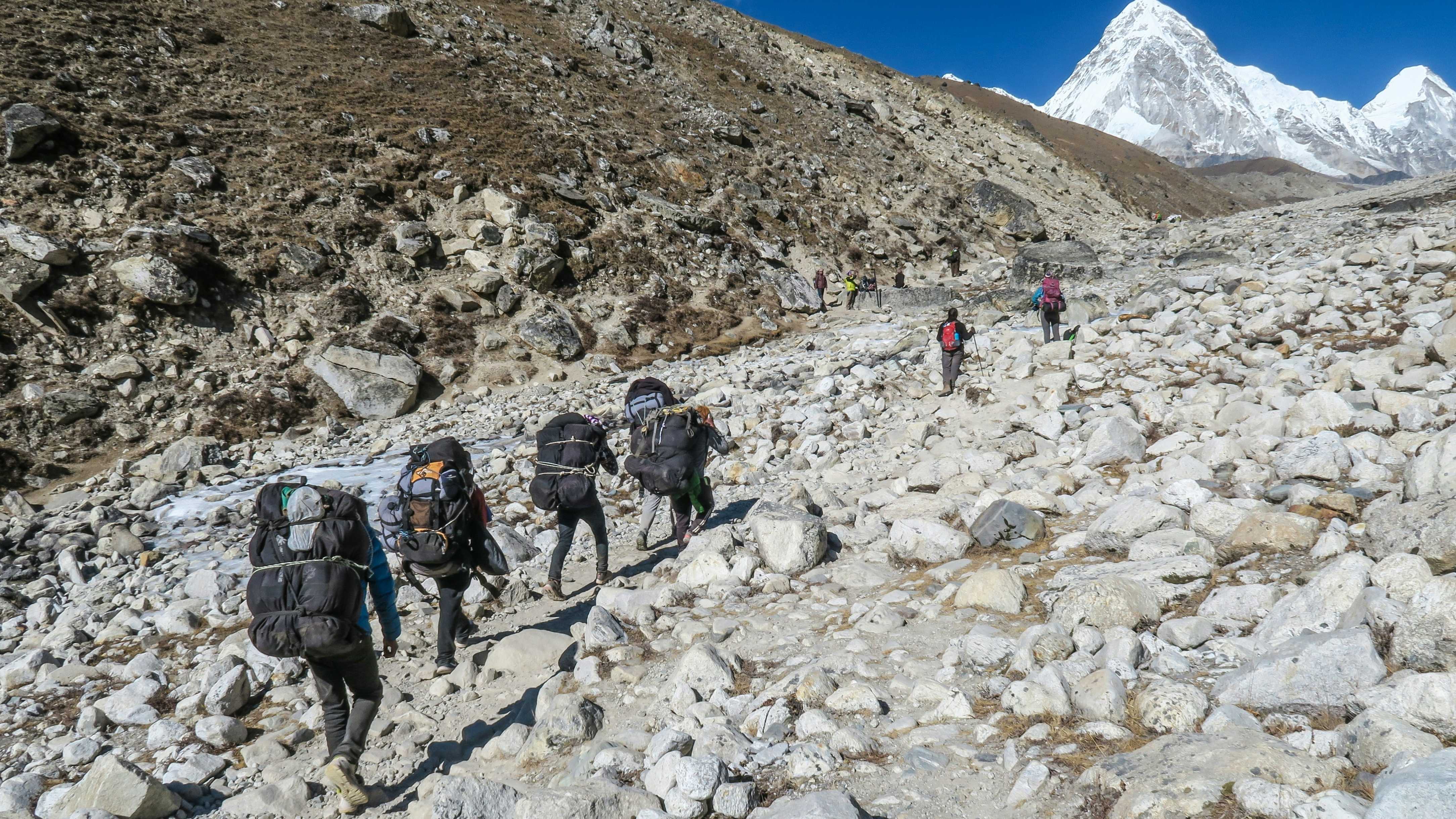
If an oxygen regulator fails near the Mount Everest summit, the climber hits a 'hypoxic wall'. The body enters instant shock. Knowing the emergency protocols is the only way to survive this Mount Everest expedition nightmare.
Standard procedure involves an immediate swap with a backup regulator carried by the Sherpa guide. Speed is everything; at 8,500m, you have only minutes before losing consciousness.
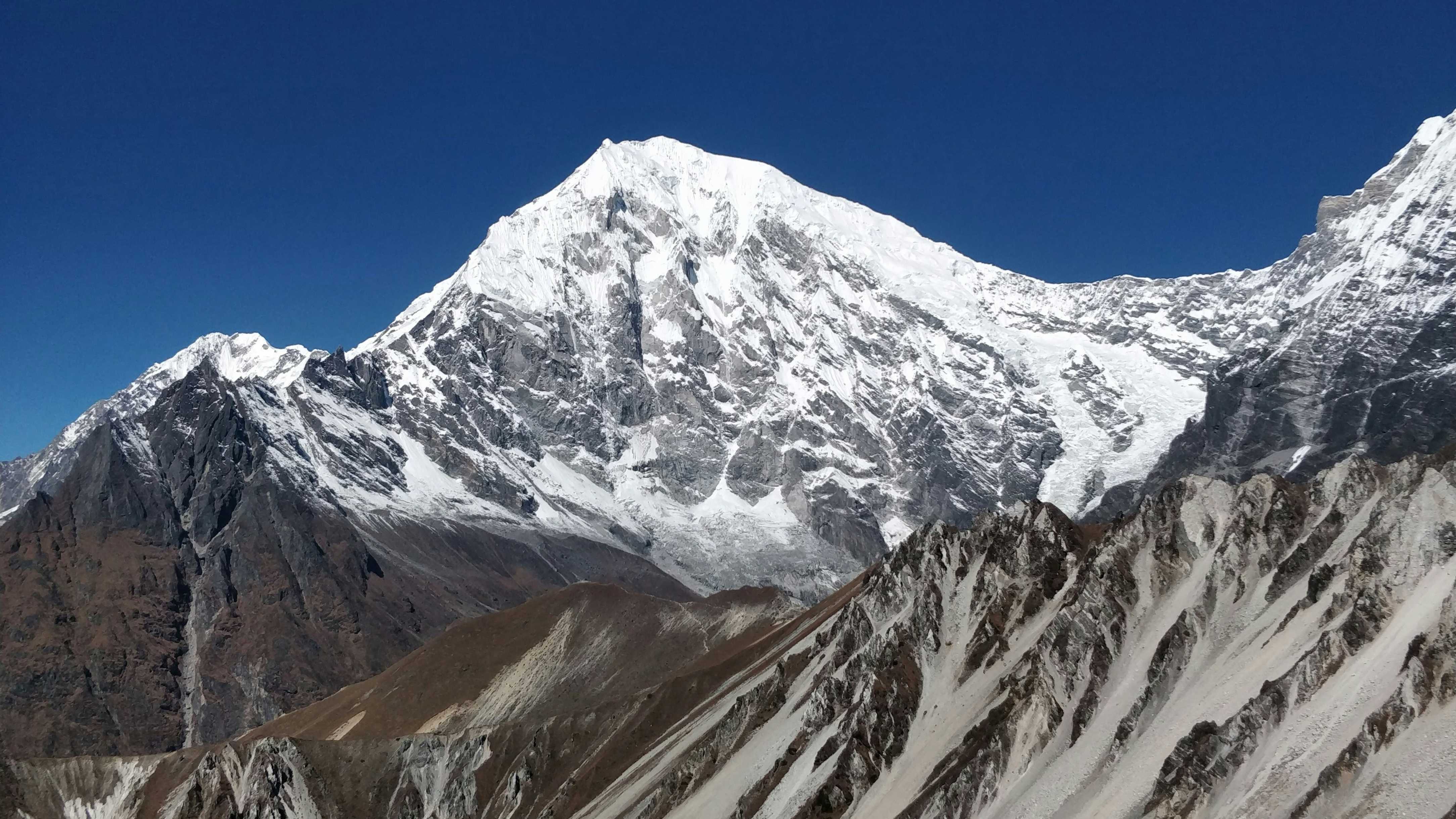
Often, the 'failure' is just ice buildup from moisture. Mount Everest summit climbers are taught to tap the regulator or use body heat to thaw the mechanism during the push.
Regardless of how close the Mount Everest summit is, an oxygen failure means the mission is over. Descent to a lower altitude is the only way to stabilize the climber’s physiology.
In the world of Mount Everest expeditions, one is none, and two is one. Always have a backup for your life-support systems.