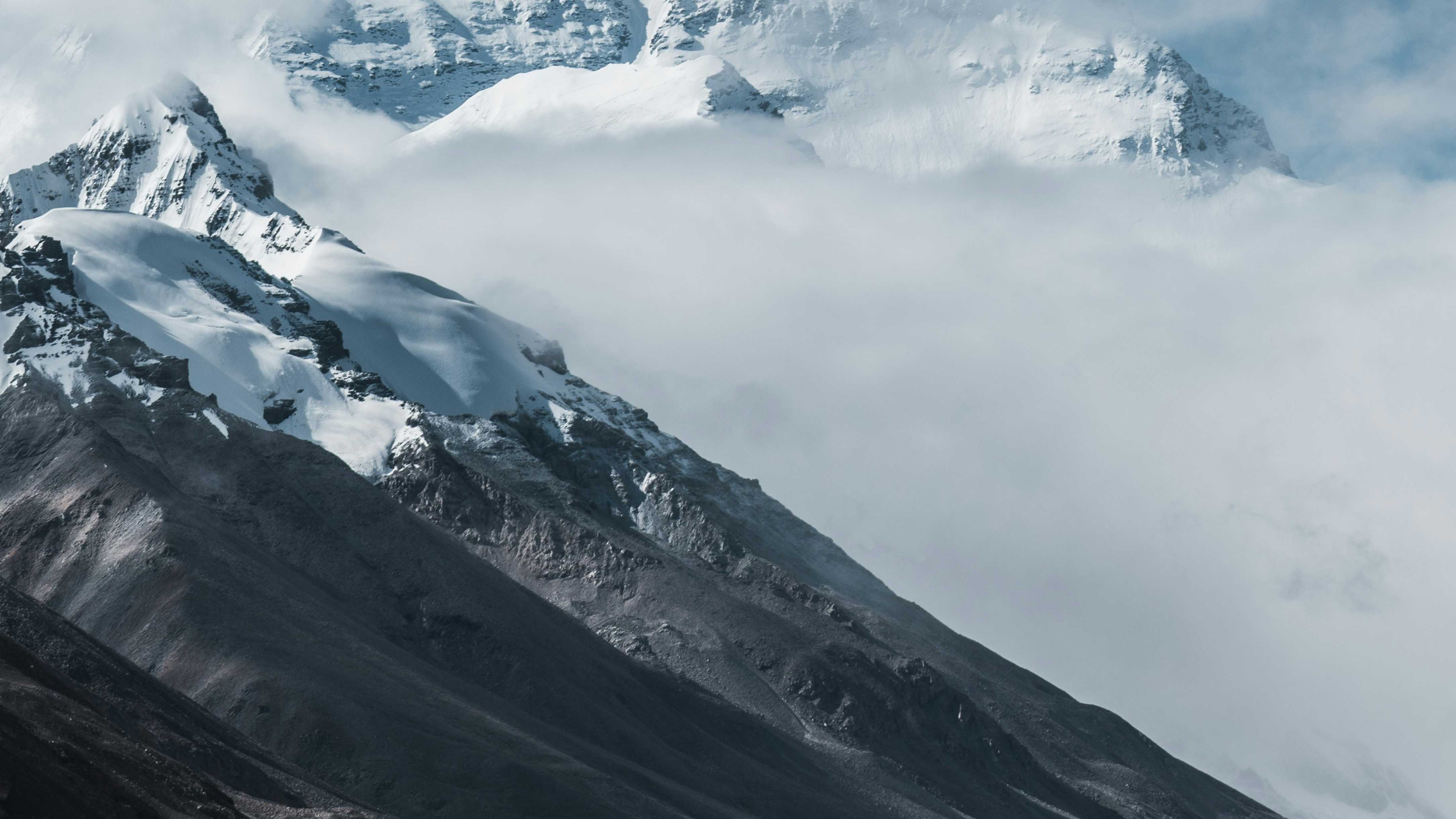
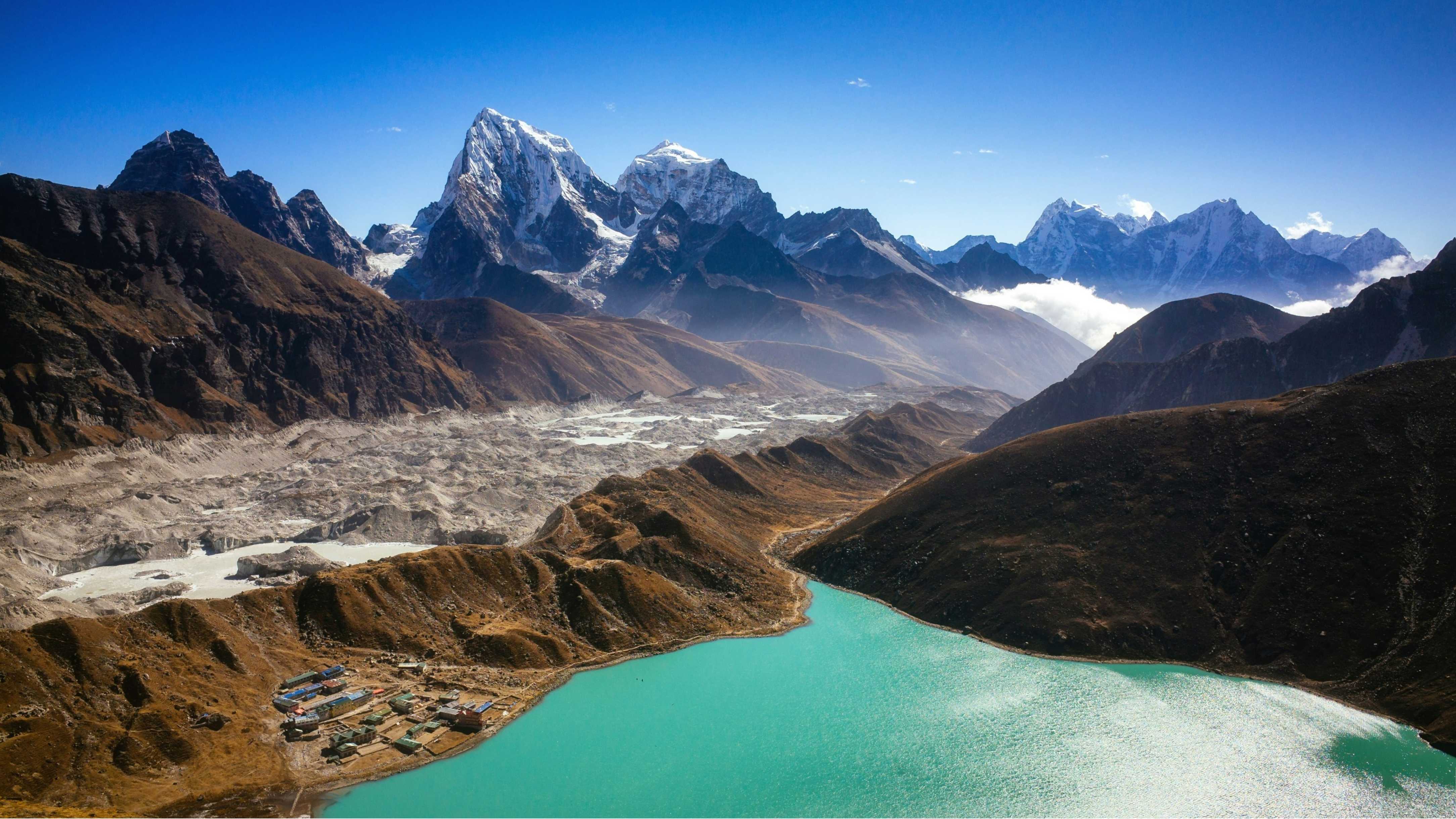
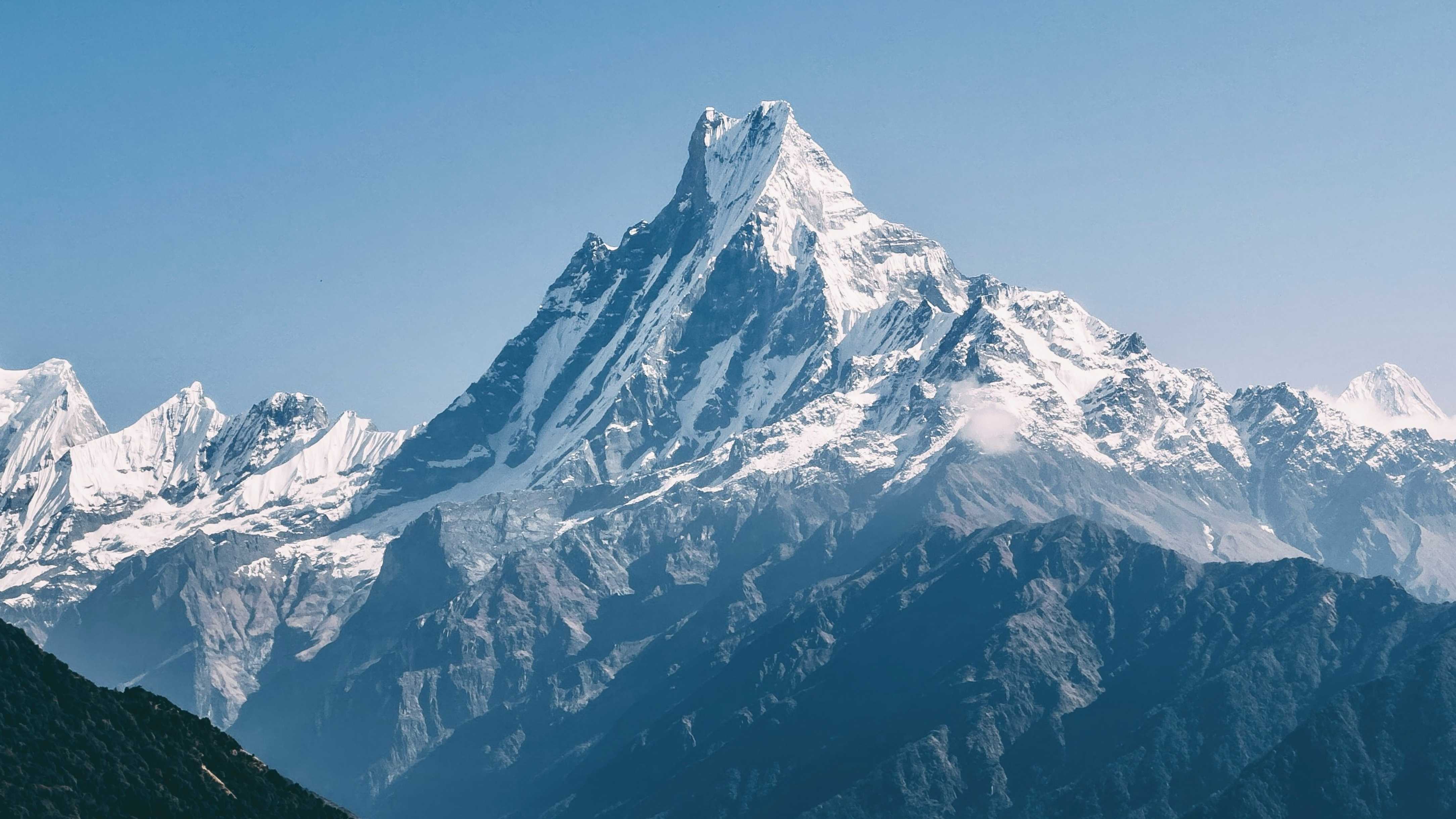
One of the most mind-blowing facts of any Mount Everest expedition is that the limestone at the summit contains marine fossils. The highest point on Earth was once a shallow sea floor.
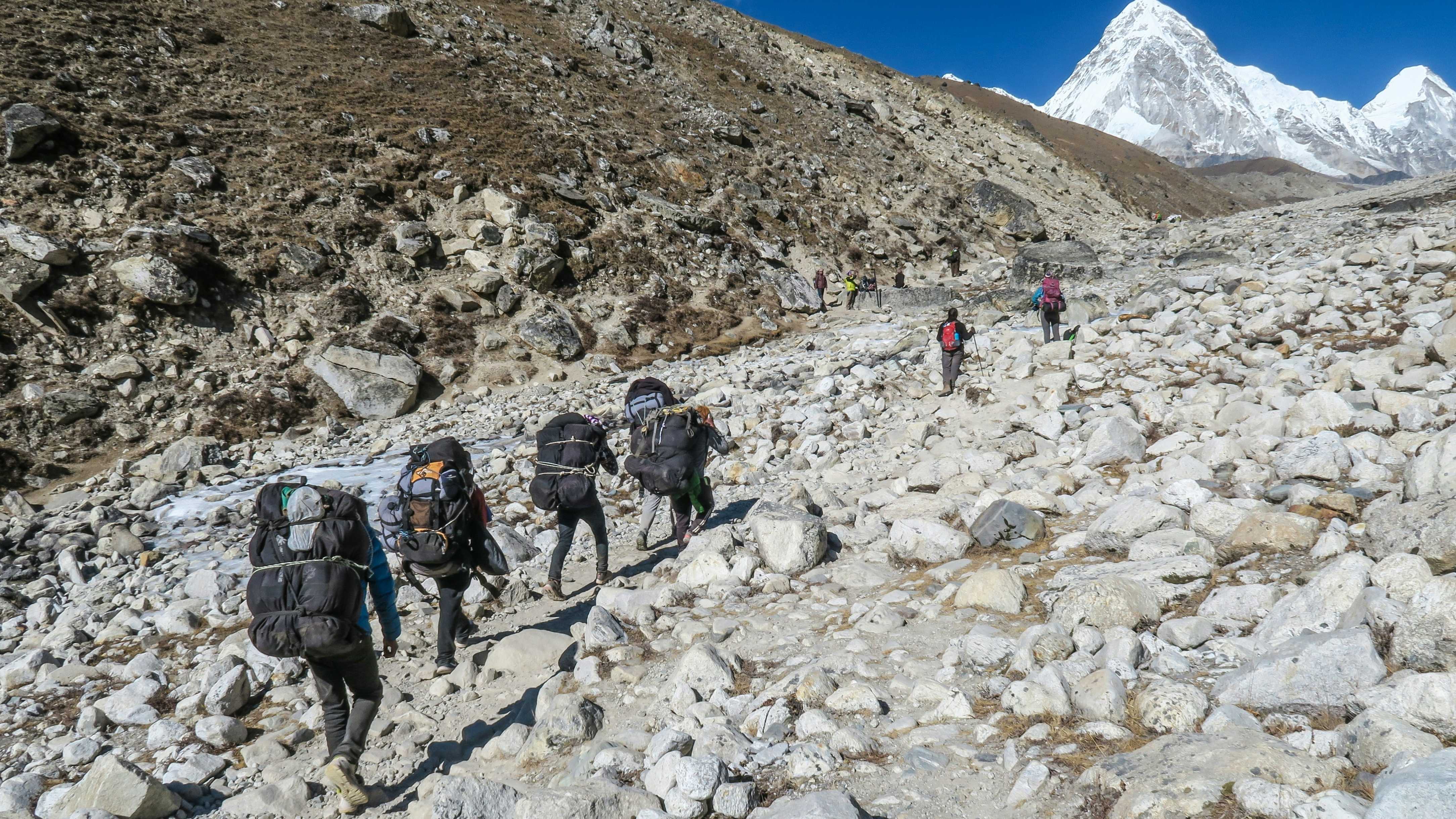
Millions of years ago, the area was part of the Tethys Sea. As the Indian plate pushed into Asia, the seabed was forced upward. This geological drama created the Everest trekking trails we walk on today.
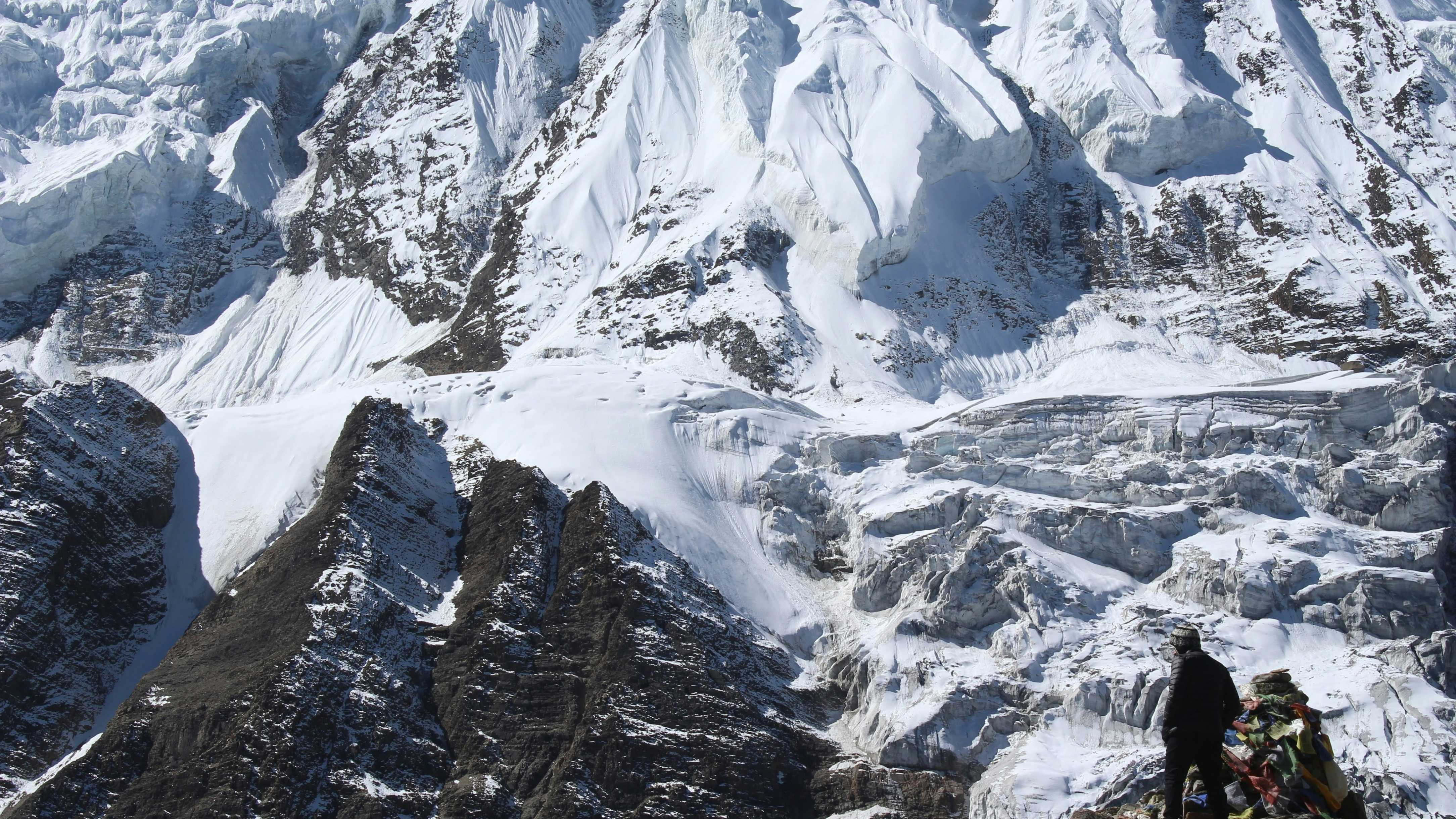
Climbers and scientists have found fossilized remains of ancient sea creatures near the Mount Everest summit. It is a stark reminder of the Earth's constant state of change.
The distinct Yellow Band visible from Everest Base Camp is made of marble and phyllite. These are metamorphic rocks formed under intense pressure during the mountain's birth.
Your Mount Everest expedition is not just a climb; it is a walk through ancient history. Every step on the summit is a step on a prehistoric ocean floor.