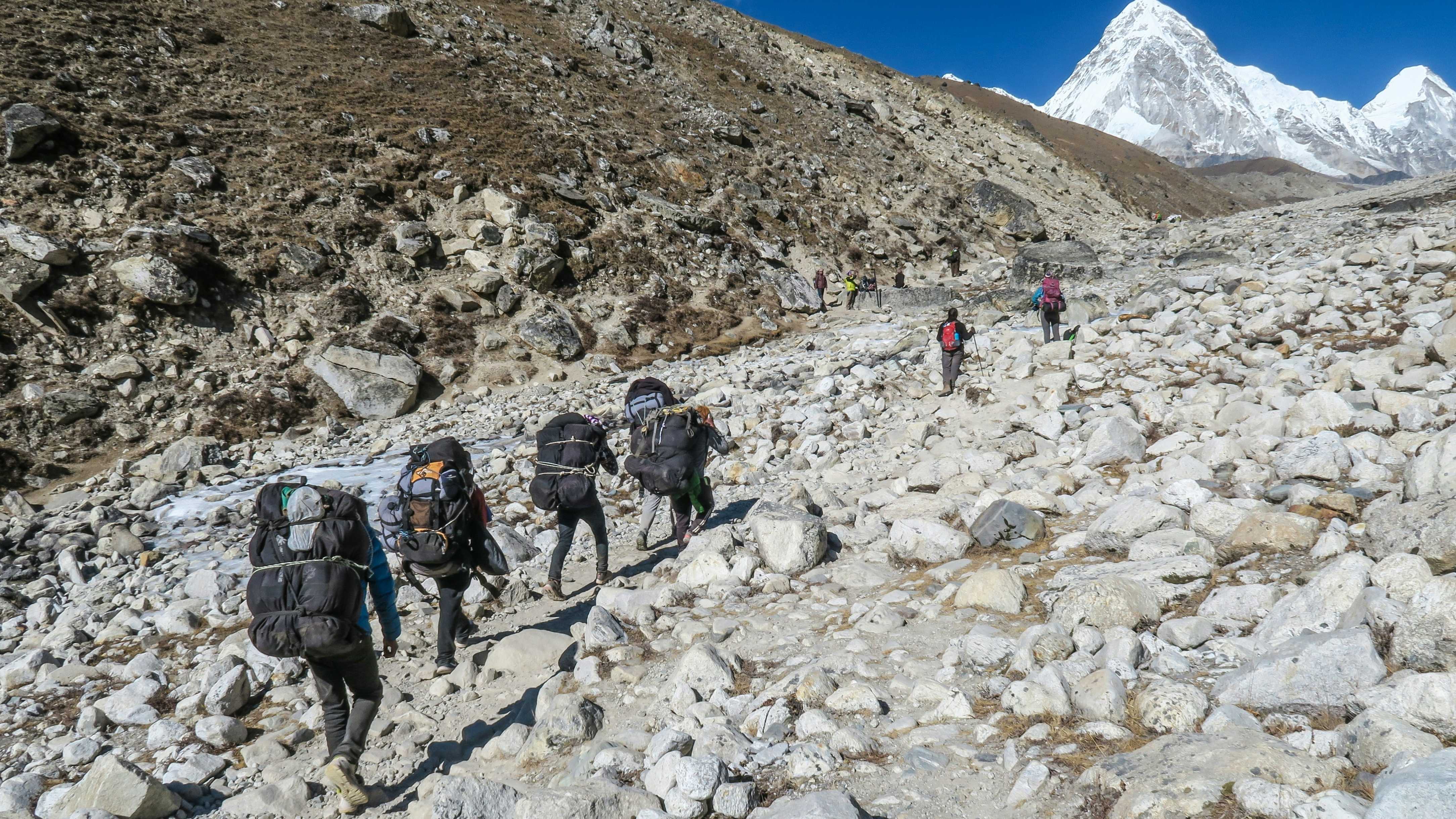
While most mountains are climbed in summer, the Mount Everest summit is strictly off-limits during the monsoon. The weather patterns make a Mount Everest expedition nearly impossible between June and August.
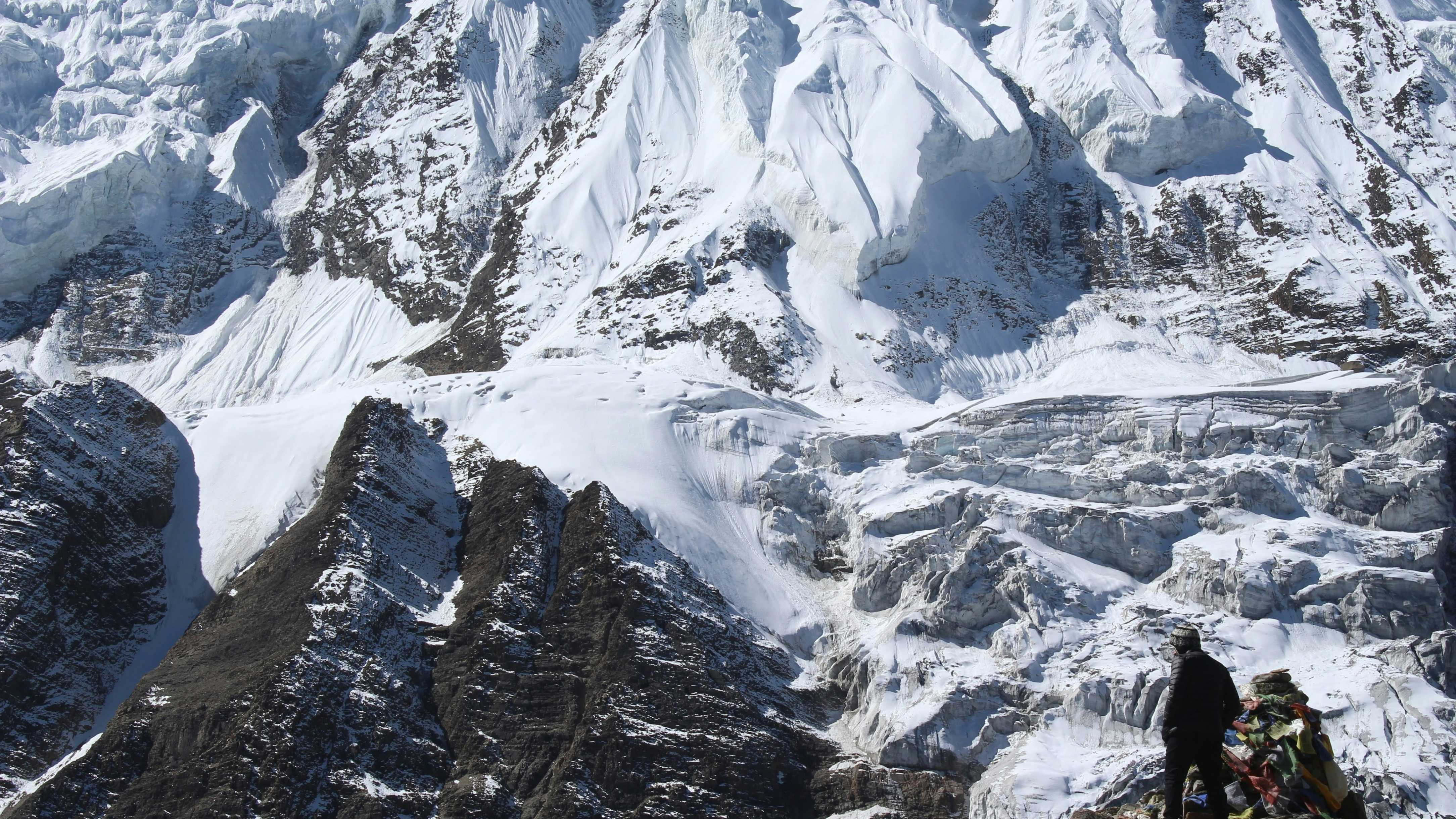
The monsoon brings heavy snow to high altitudes. This 'wet snow' doesn't bond well with the ice, making the slopes of the Mount Everest summit a massive avalanche risk for any expedition.
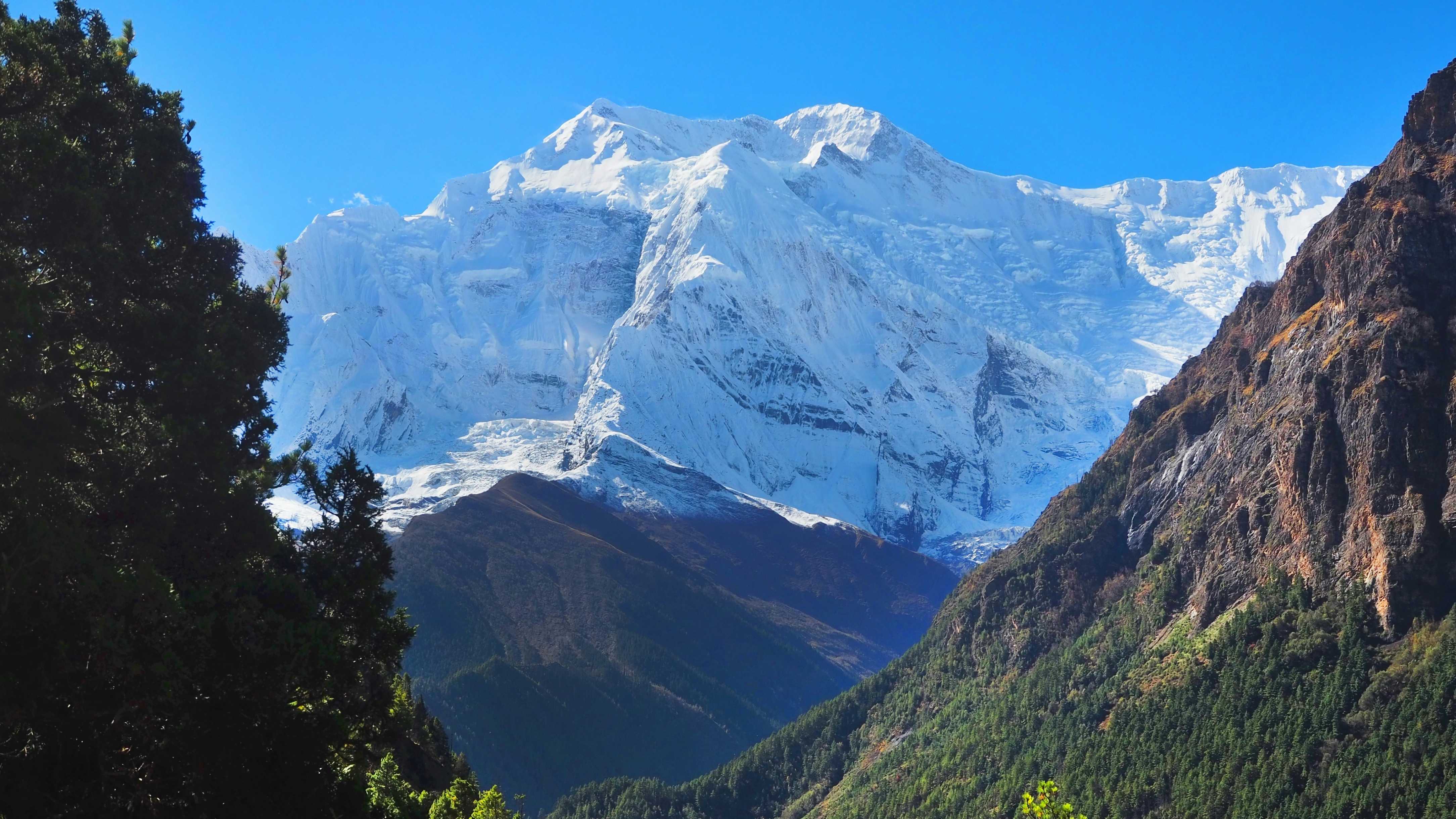
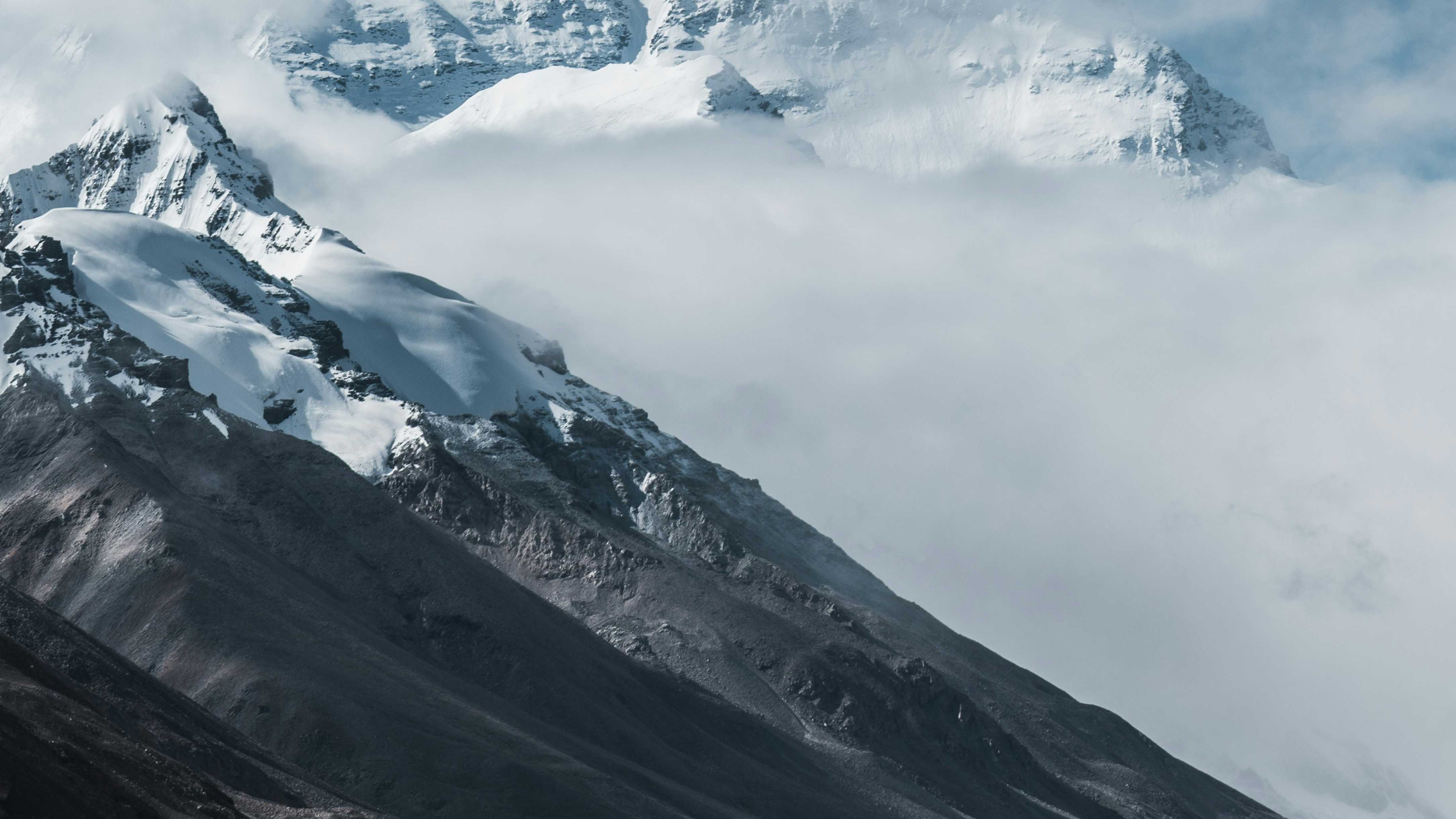
Clouds wrap the mountain for months. Navigating the Khumbu Icefall or the Mount Everest summit ridge without visibility is a death sentence. Everest trekking during this time is a muddy, viewless struggle.
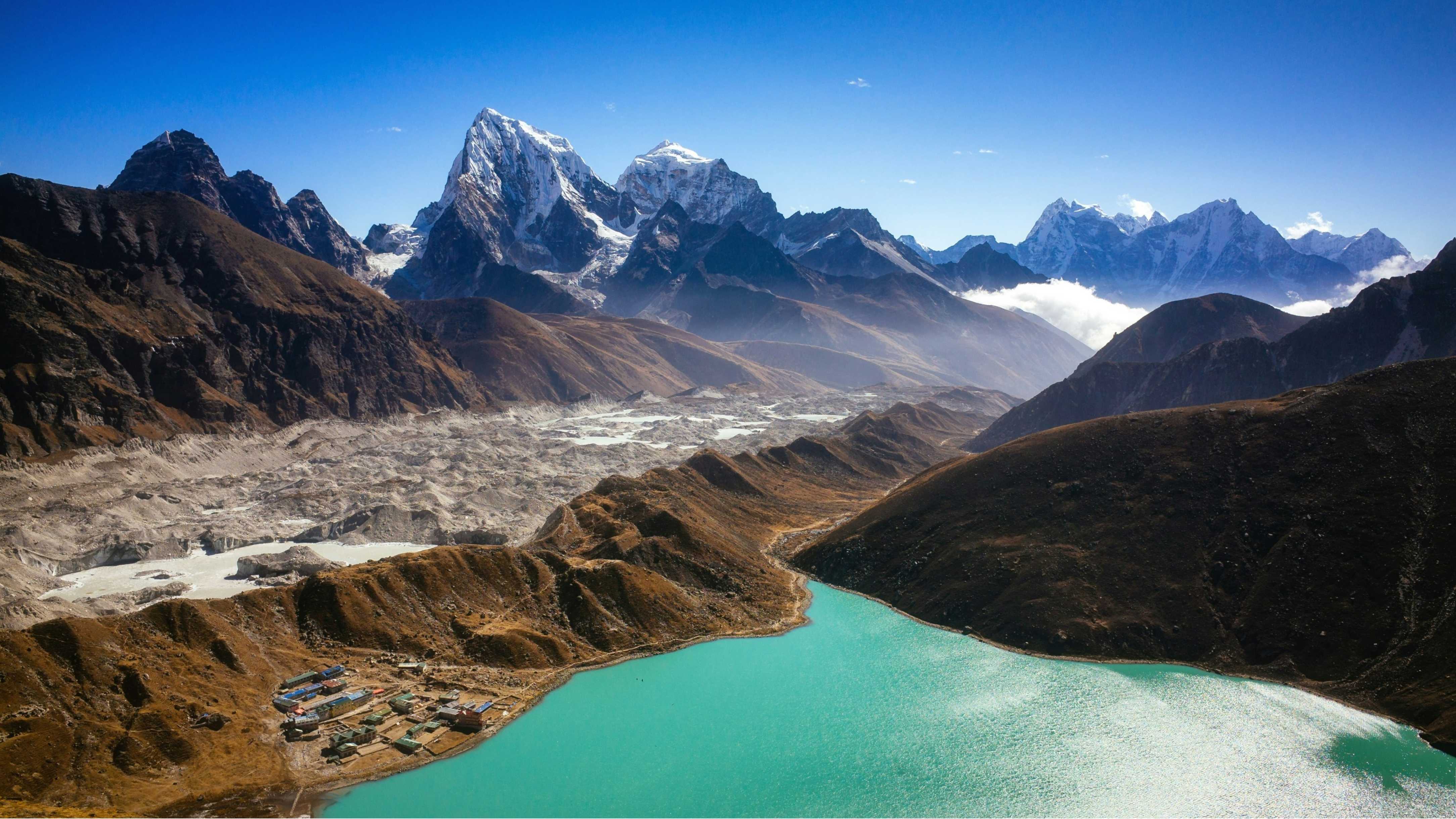
In the lower regions of the Everest trekking route, the rain brings out thousands of leeches. The trails become slippery and dangerous, making the approach to Everest Base Camp a miserable experience.
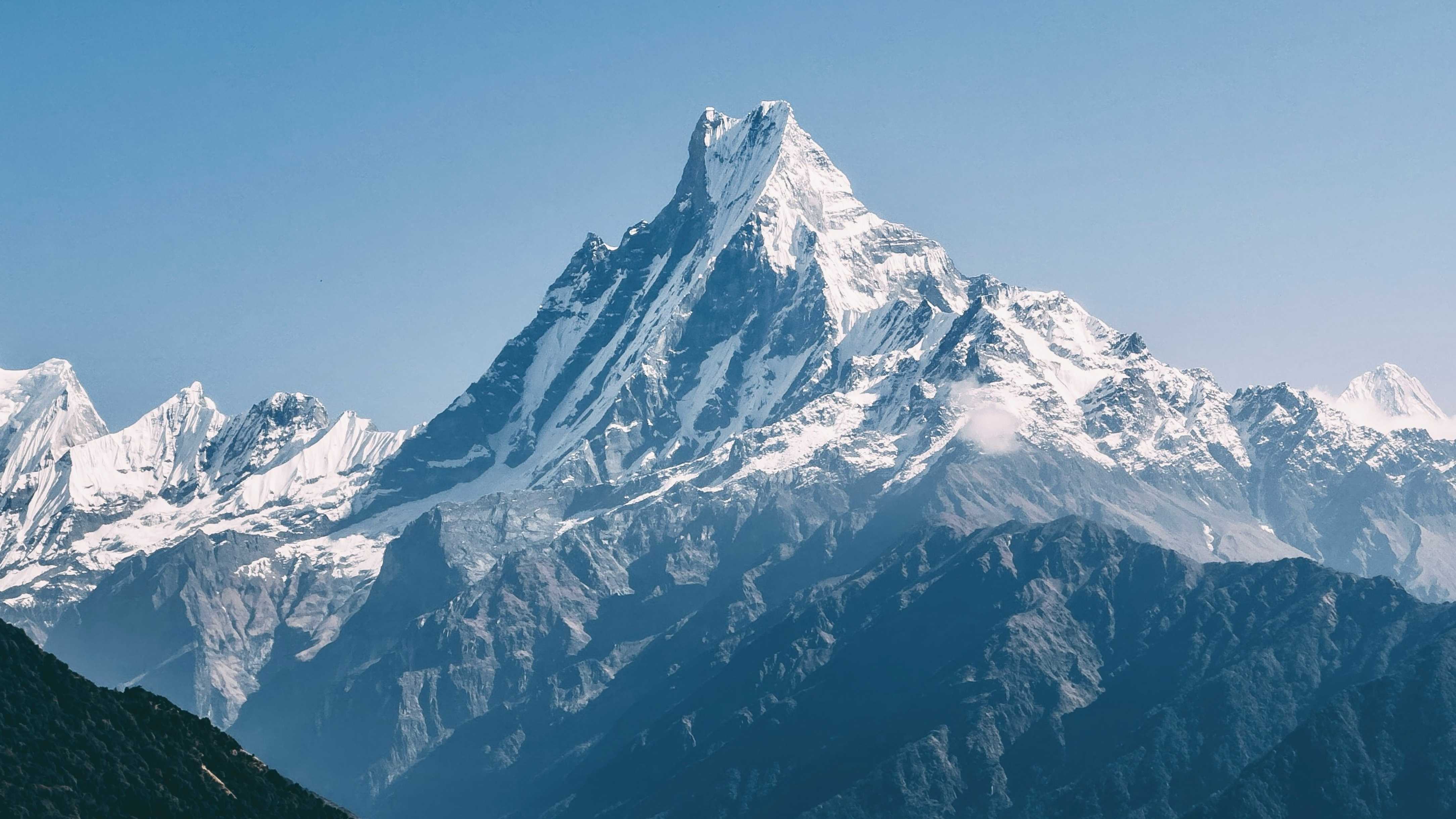
The mountain has its own schedule. A successful Mount Everest expedition requires waiting for the clear windows of spring or autumn.