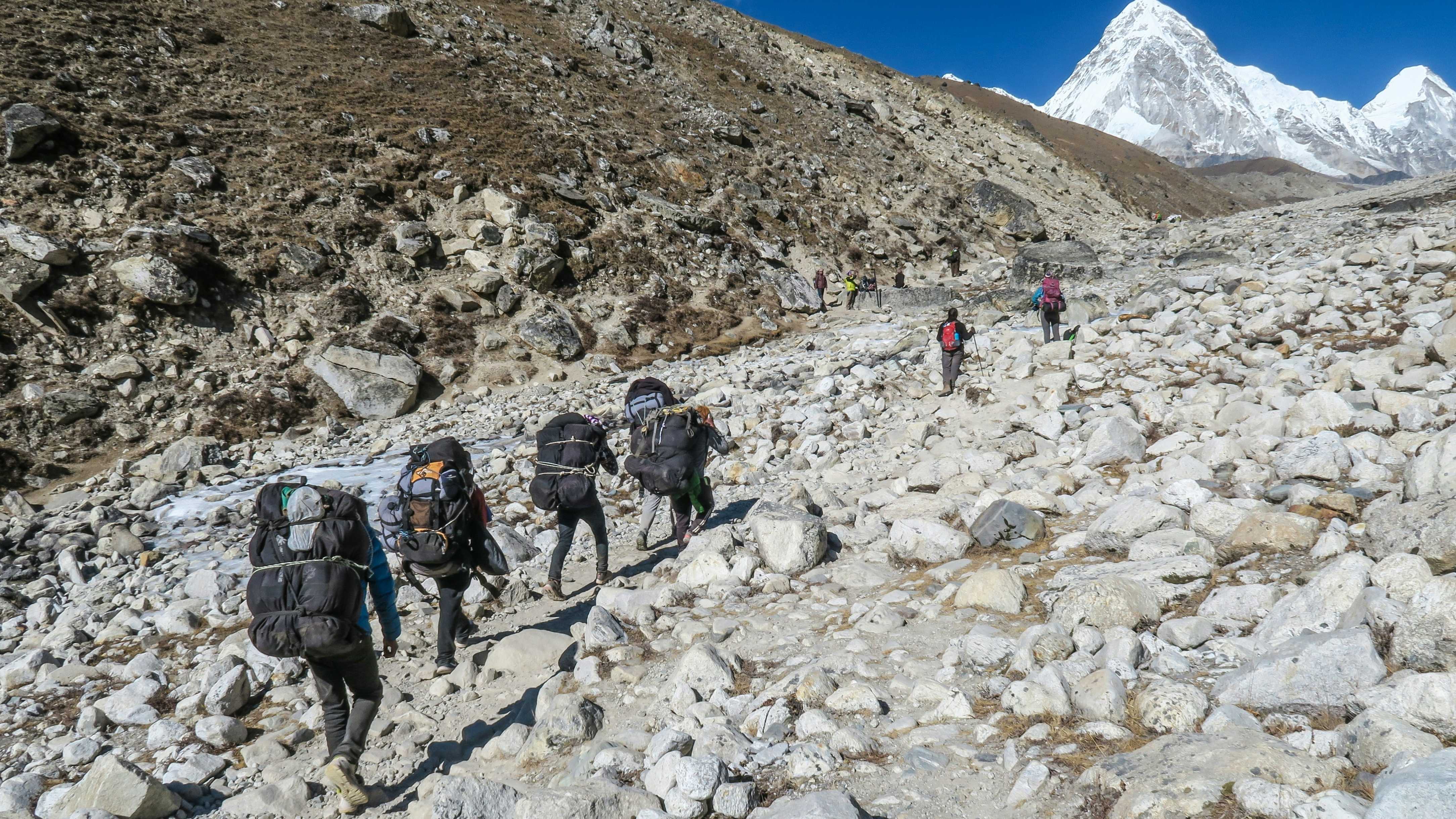
At the Mount Everest summit, there is 66% less oxygen than at sea level. For a commercial Mount Everest expedition, managing 'bottled air' is a critical survival skill. It isn't just about breathing; it's about the technical precision of the delivery system.
Climbers typically use a flow rate of 2 to 4 liters per minute. On the Mount Everest summit push, guides monitor these levels closely to ensure the supply lasts for the descent. Running out of oxygen at 8,000m is the biggest fear of any Everest trekking peak climber.
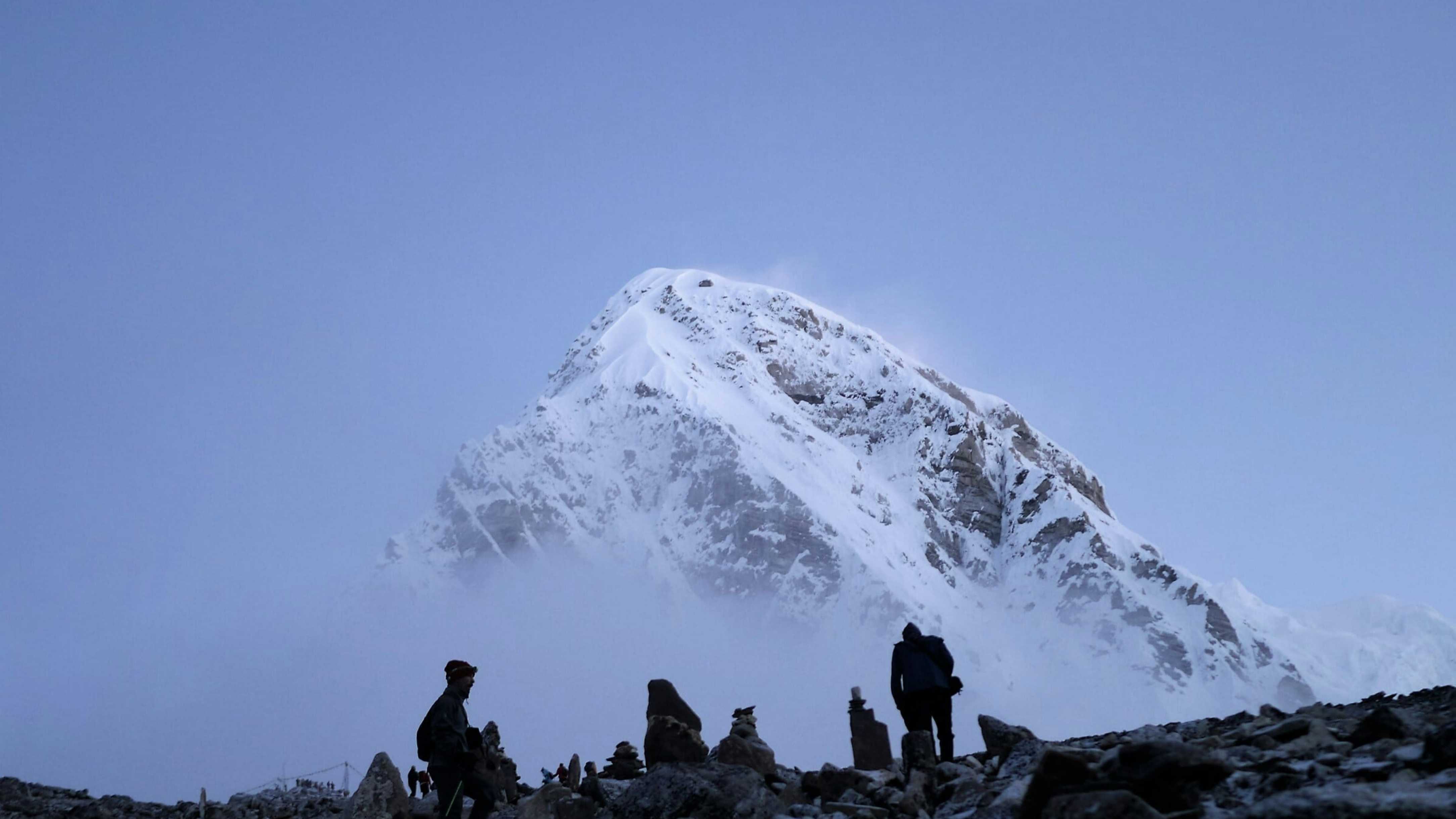
Each oxygen bottle weighs about 3.5kg. A climber might need 5 bottles for a full summit bid. This added weight is why Everest trekking fitness and leg strength are non-negotiable for anyone joining an expedition.
In the freezing winds of the Mount Everest summit, ice can block the mask valves. Expedition members must constantly clear their masks. It is a sensory-depriving experience that requires total mental focus.
Oxygen is the bridge between human capability and the lethal environment of the Mount Everest summit. It is the most important piece of tech on any expedition.