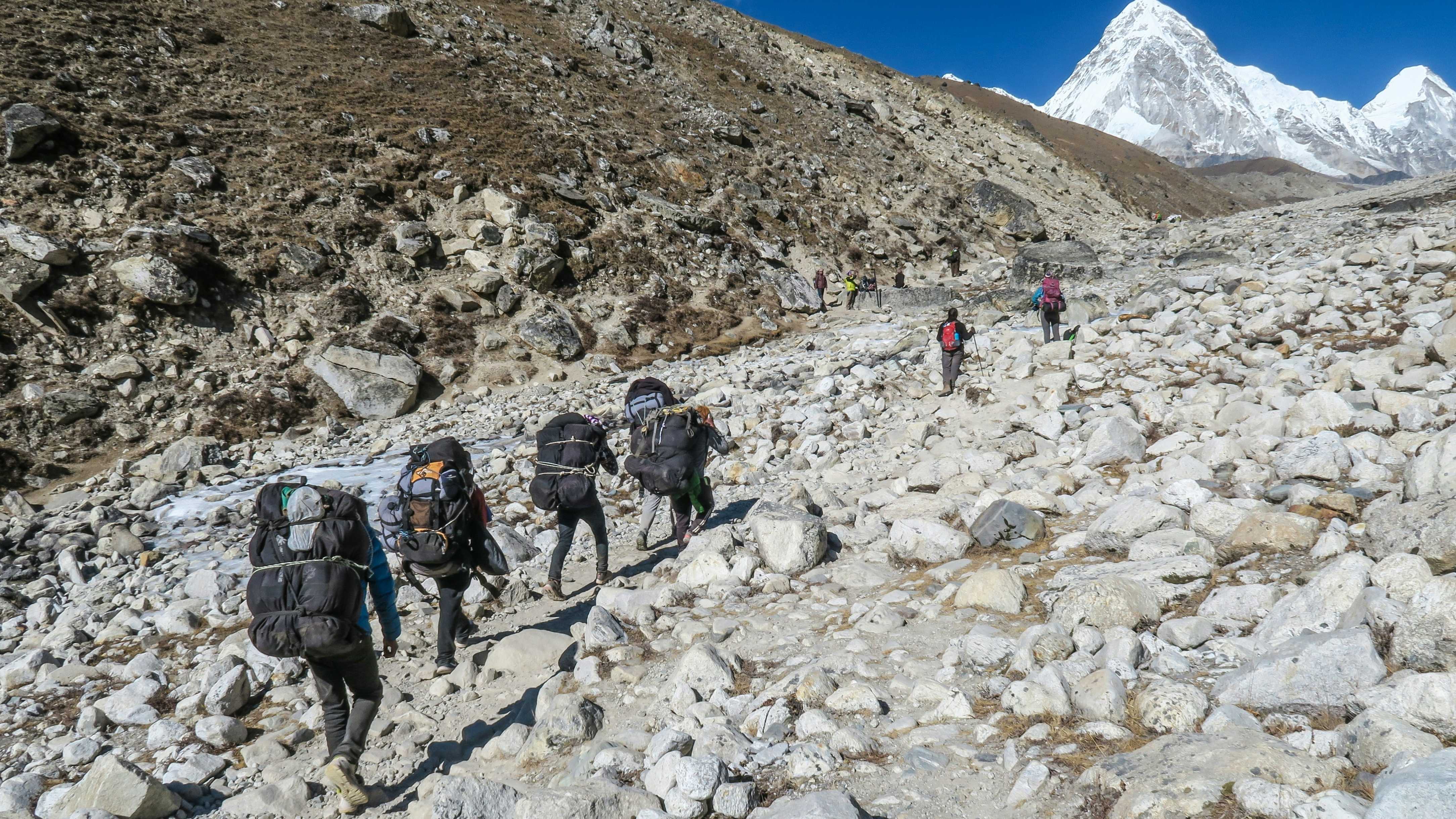
As you climb toward the Mount Everest summit, your body begins to breathe rapidly to capture more oxygen. This process, while necessary for a Mount Everest expedition, causes you to exhale massive amounts of CO2, leading to respiratory alkalosis. Understanding this blood chemistry is vital for safe Everest trekking.
Losing CO2 makes your blood more alkaline. To compensate, your kidneys must work overtime to excrete bicarbonate. This is why hydration is so critical at Everest Base Camp; your kidneys need water to balance your internal chemistry for the Mount Everest summit push.
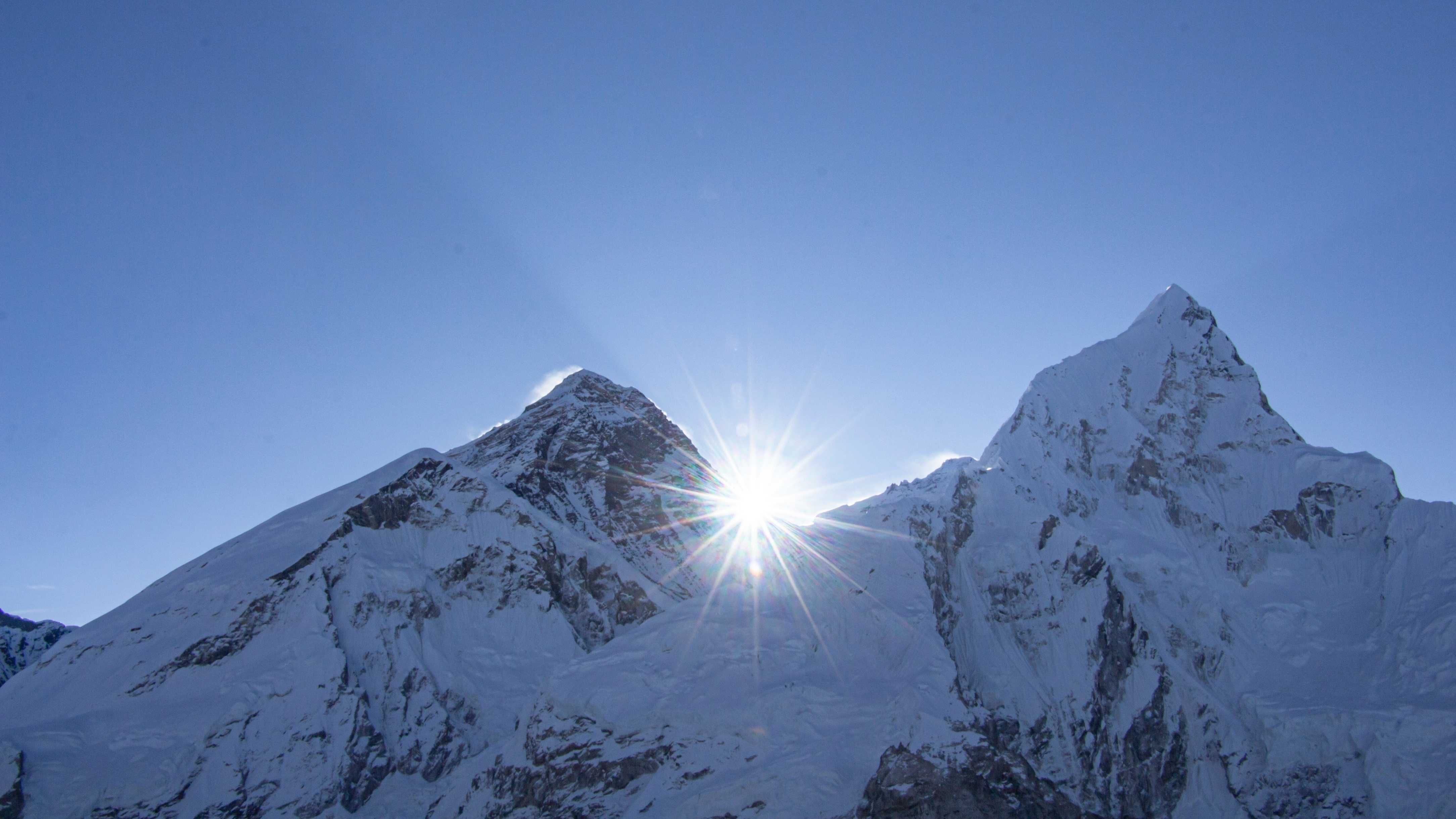
Acetazolamide (Diamox) helps this process by forcing the kidneys to dump bicarbonate faster. It artificially acidifies the blood, which triggers your brain to breathe deeper. It is a common tool used by many on a Mount Everest expedition to stay safe during Everest trekking.
Alkaline blood can interfere with how oxygen is released into your muscles. This is why even a small physical effort near the Mount Everest summit feels exhausting. Managing your breathing rhythm is a key skill for any high-altitude expedition.
The Mount Everest summit is as much a chemical challenge as a physical one. By understanding your blood chemistry, you can better manage your pace and safety during your Mount Everest expedition.