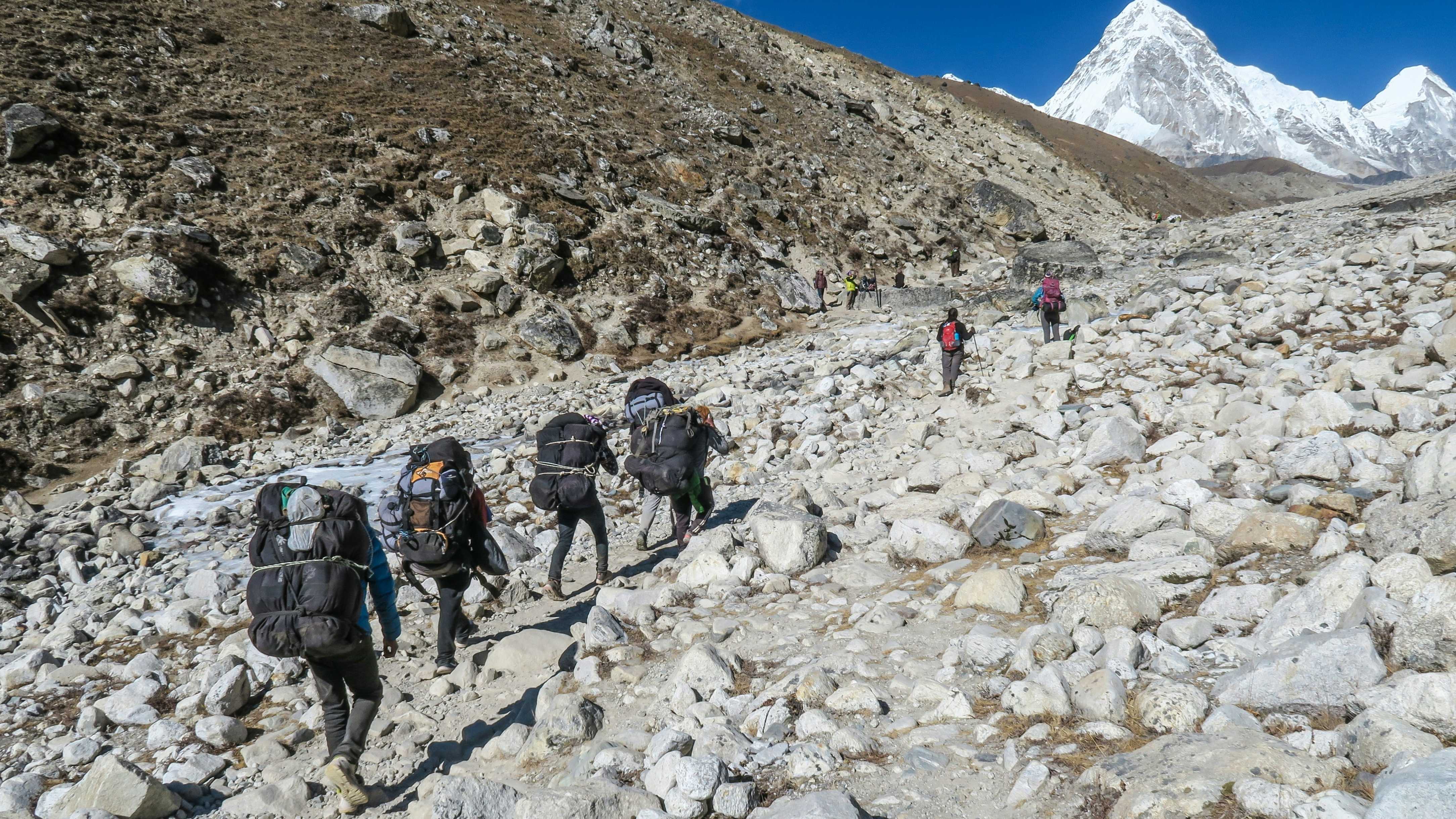
During a Mount Everest expedition, your cardiovascular system is under constant siege. As you move from Everest Base Camp toward the Mount Everest summit, your blood pressure and heart rate change dramatically to compensate for the lack of oxygen.
At high altitudes, the body increases sympathetic nervous activity. This often leads to an increase in systemic blood pressure. For those Everest trekking, it is vital to monitor these levels, especially if you have a history of hypertension, before attempting the Mount Everest summit.
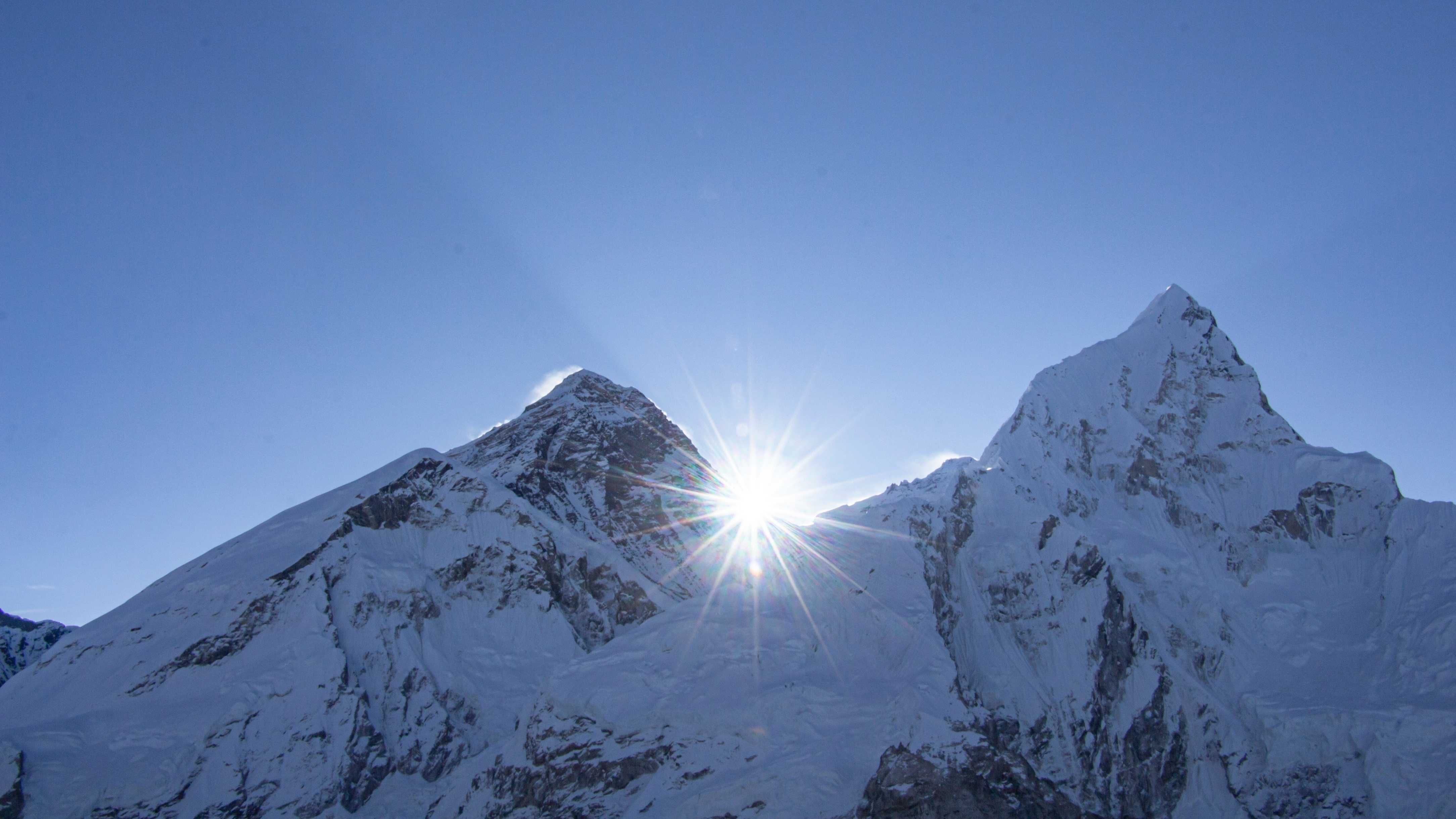
The most dangerous change occurs in the lungs. Pulmonary artery pressure rises as the body tries to redirect blood to better-oxygenated areas. If this pressure becomes too high, it leads to HAPE, a common emergency on a Mount Everest expedition.
Don't be surprised if your resting heart rate at Everest Base Camp is 20-30 beats higher than at sea level. Your heart is working overtime even while you sleep to ensure enough oxygen reaches your brain for the Mount Everest summit push.
Understanding your vitals is key to safety. Respect the physiological strain of a Mount Everest expedition and give your heart the time it needs to acclimatize.