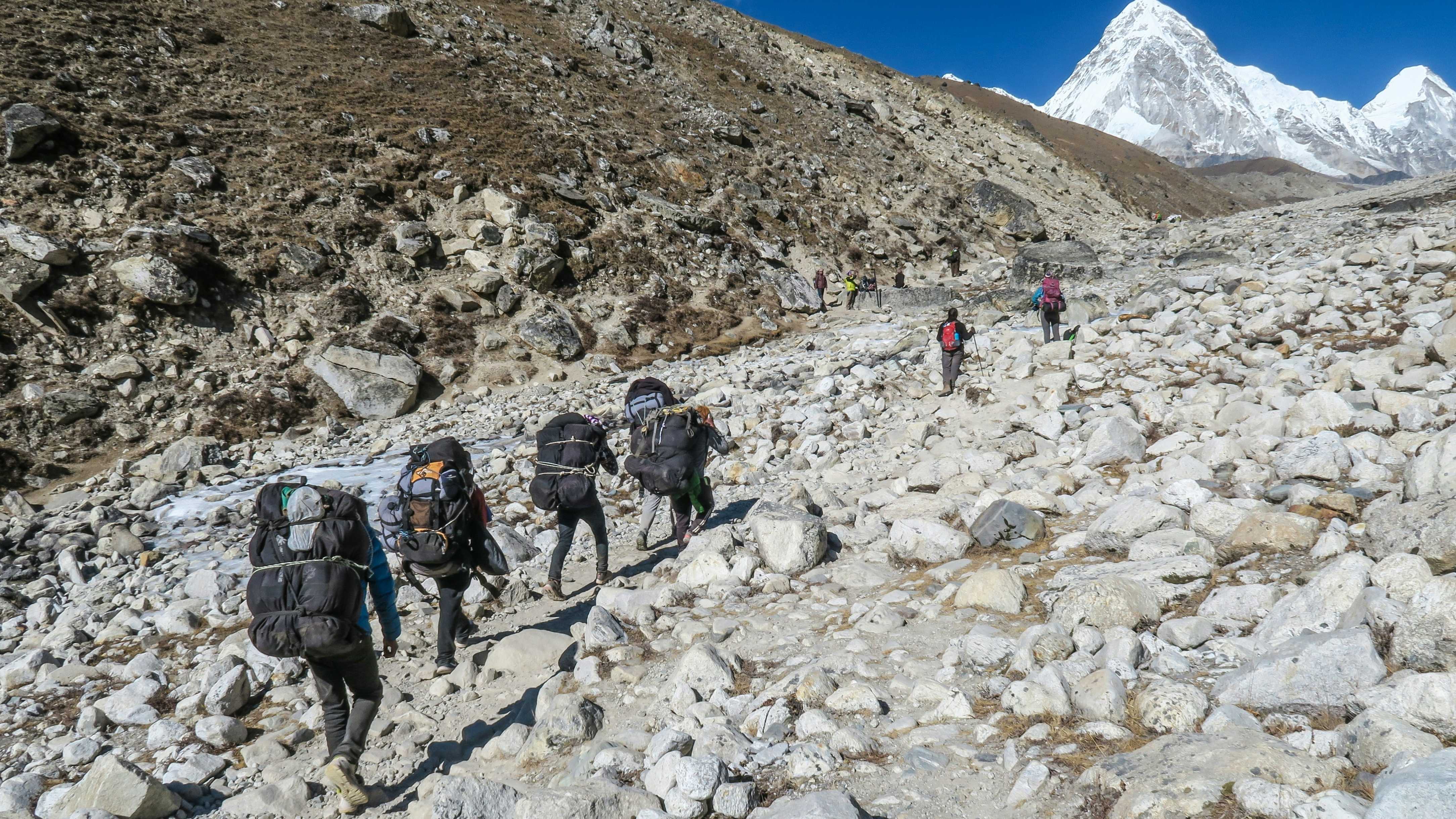
At the Mount Everest summit, your heart is performing a physical miracle. To compensate for the thin air of a Mount Everest expedition, your cardiac output changes significantly to keep your brain and muscles alive during the final push.
Don't be alarmed if your resting heart rate at Everest Base Camp is double your normal rate. This is the body's primary response to hypoxia, a key stage of acclimatization for every Everest trekking enthusiast and summit climber.
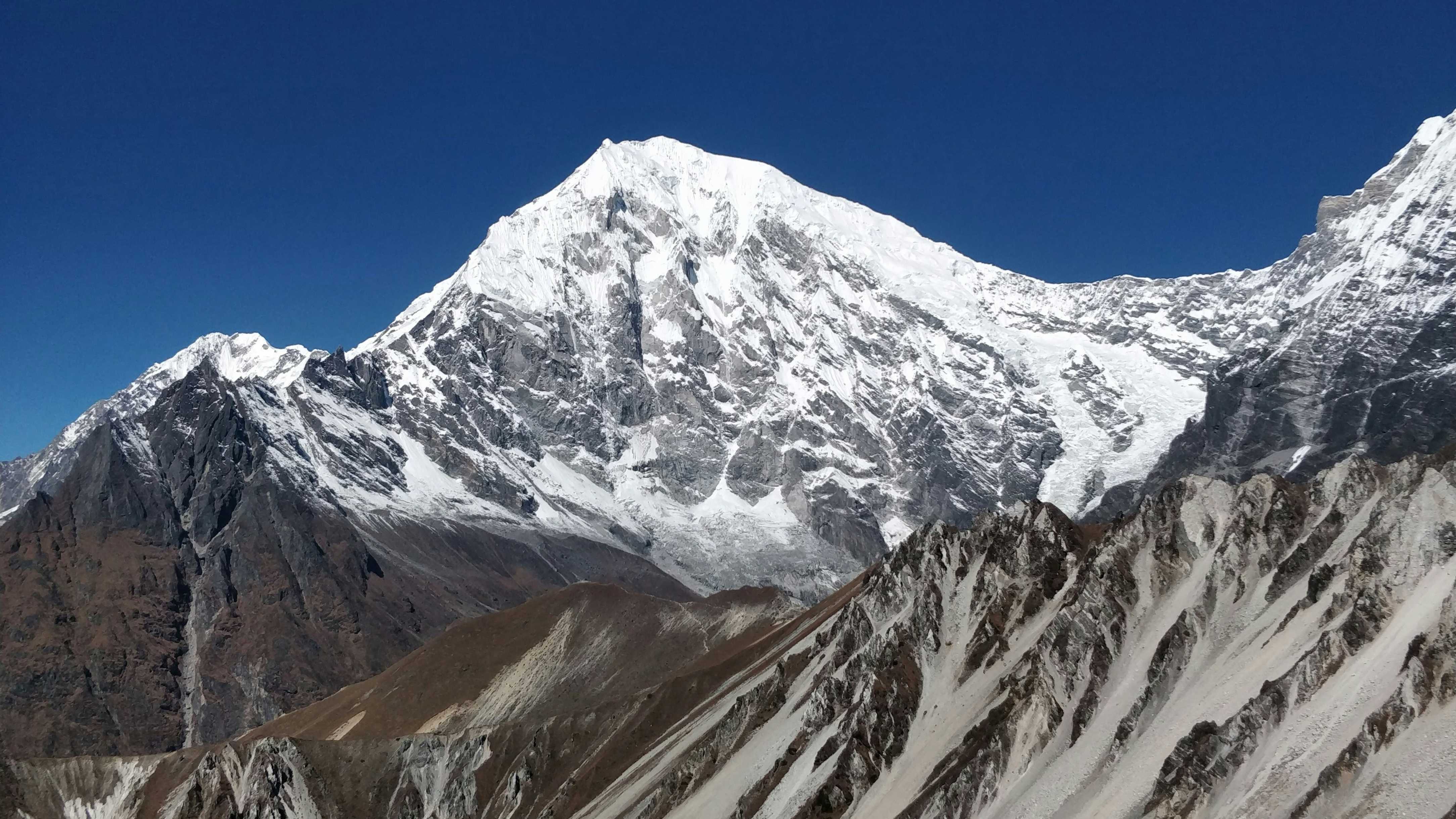
At extreme altitude, the actual amount of blood your heart pumps with each beat (stroke volume) decreases. To maintain oxygen flow to the Mount Everest summit, the heart must beat much faster, leading to the rapid fatigue felt during expeditions.
Returning from the Mount Everest summit region often results in a more efficient cardiovascular system. Many find that their sea-level fitness reaches a new peak after the intense conditioning of a Mount Everest expedition and Everest trekking.
Your heart is your most loyal partner on the mountain. Give it the time it needs at Everest Base Camp to prepare for the ultimate test of the Mount Everest summit.