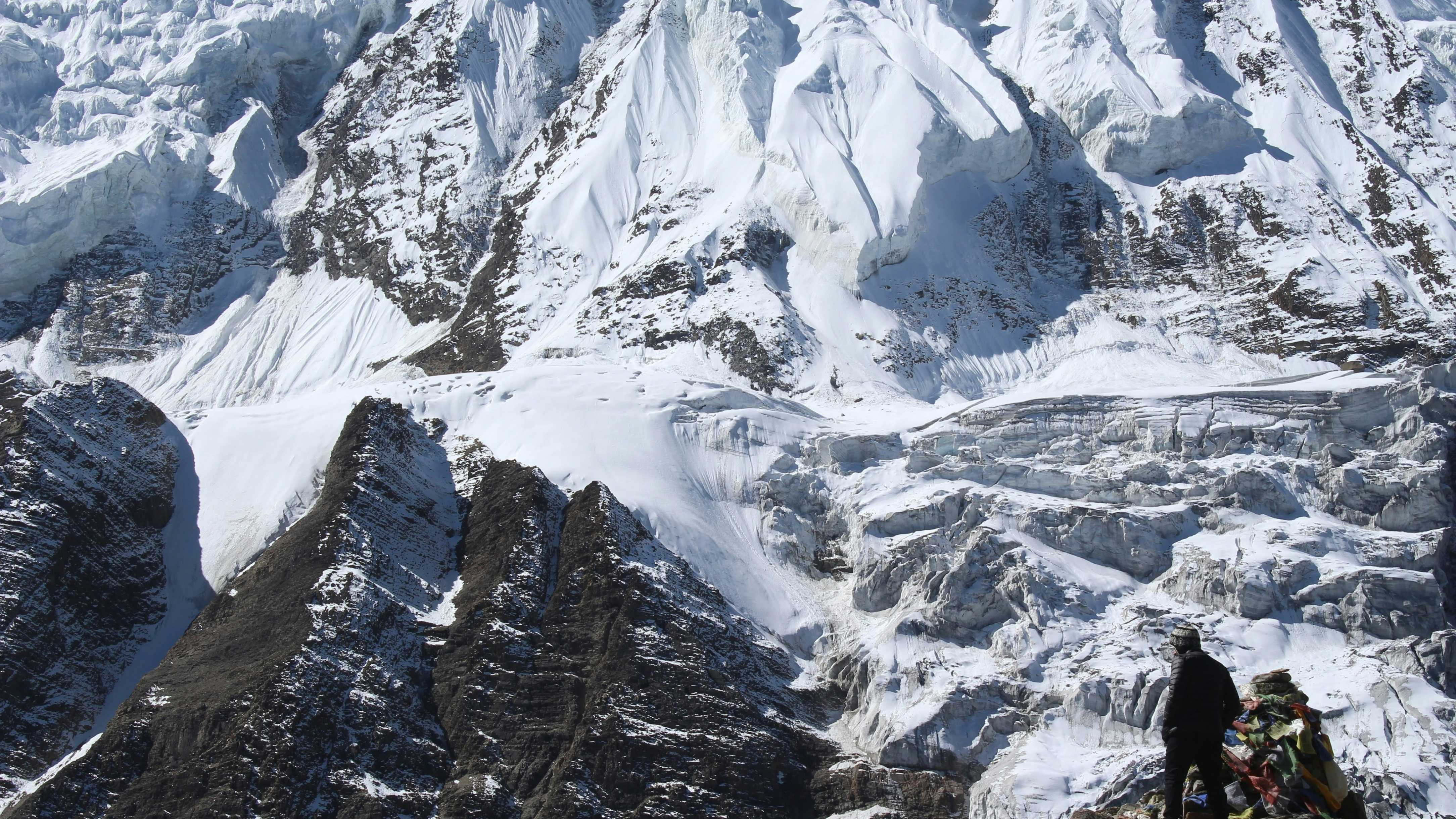
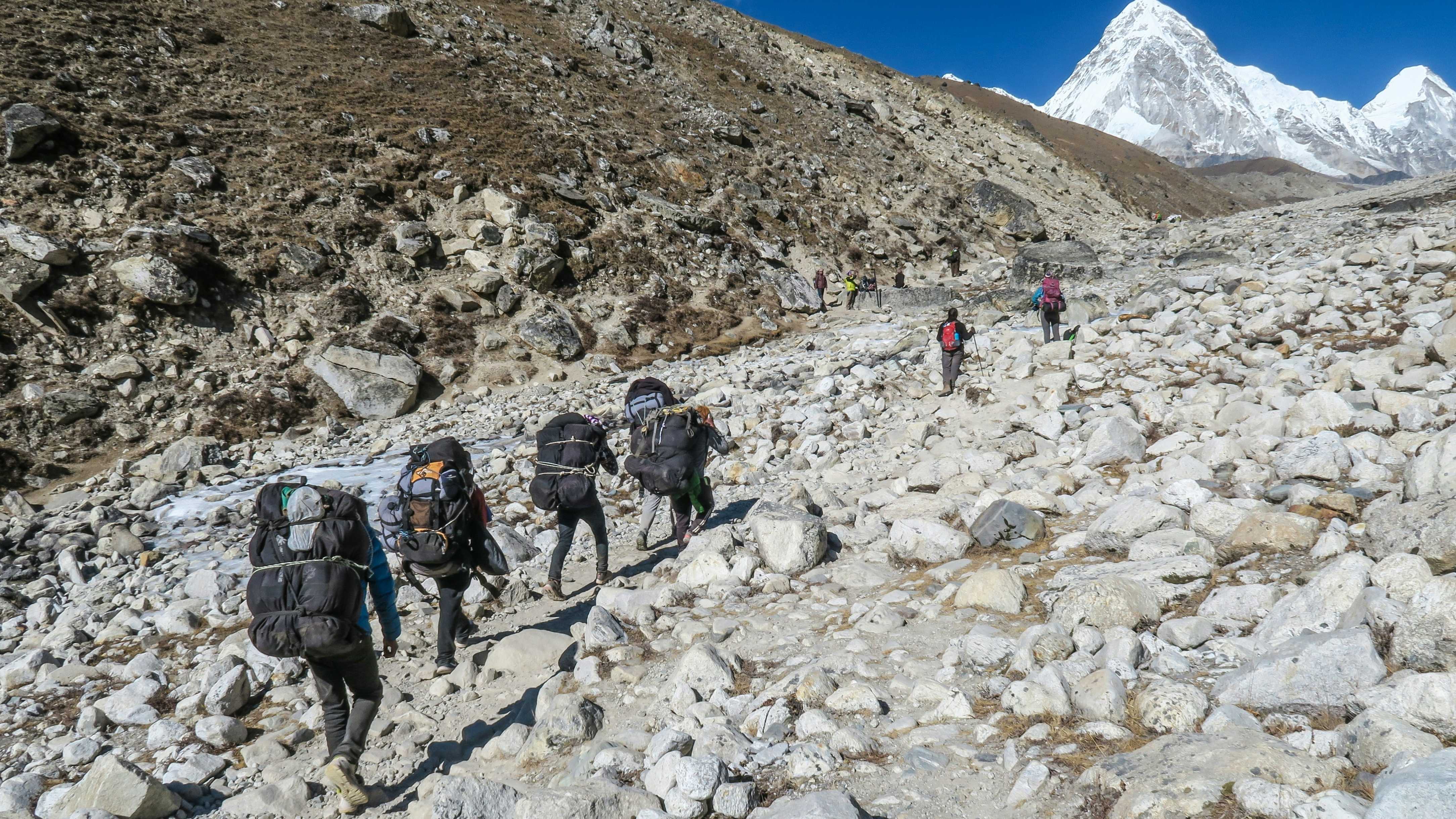
Heart Rate Variability (HRV) is becoming a vital metric for Mount Everest expedition members. Unlike a standard pulse, HRV tracks the timing between beats, providing a window into how your nervous system is handling the stress of Everest trekking and thin air.
A drop in HRV at Everest Base Camp often indicates that your body is not recovering from the previous day's climb. For those pushing toward the Mount Everest summit, monitoring this metric can prevent burnout and signal when an extra rest day is needed.
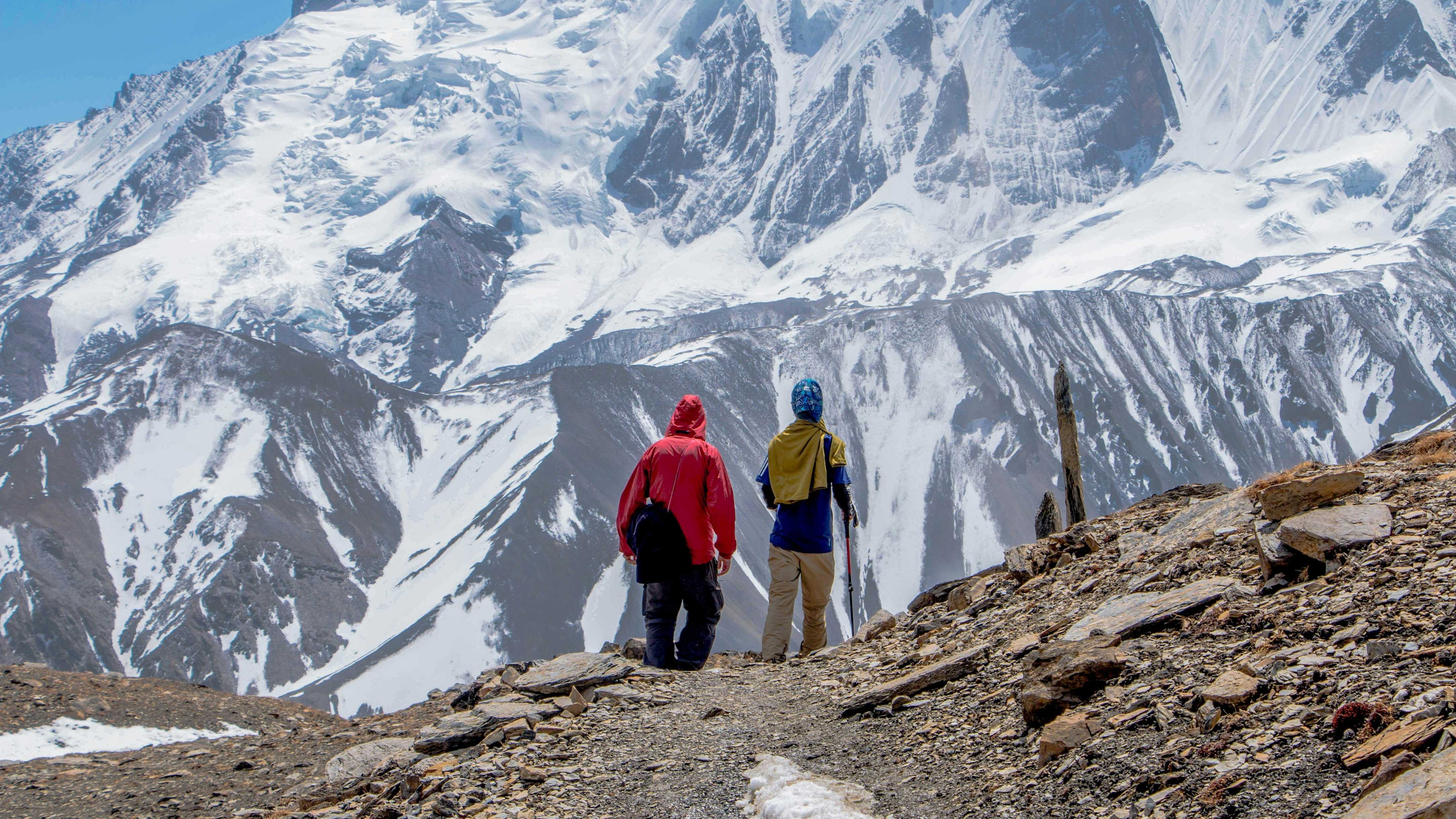
High altitude triggers the 'fight or flight' response. Successful acclimatization involves your parasympathetic system regaining control. Practicing breathing exercises during Everest trekking can improve HRV, priming you for the Mount Everest summit push.
Modern smartwatches allow climbers to track HRV daily. Seeing these trends throughout your Mount Everest expedition provides objective data to match your subjective feelings of fatigue on the way to Everest Base Camp.
Use every tool available to monitor your health. HRV is a powerful indicator of readiness, helping you time your Mount Everest summit attempt for when your body is at its peak.