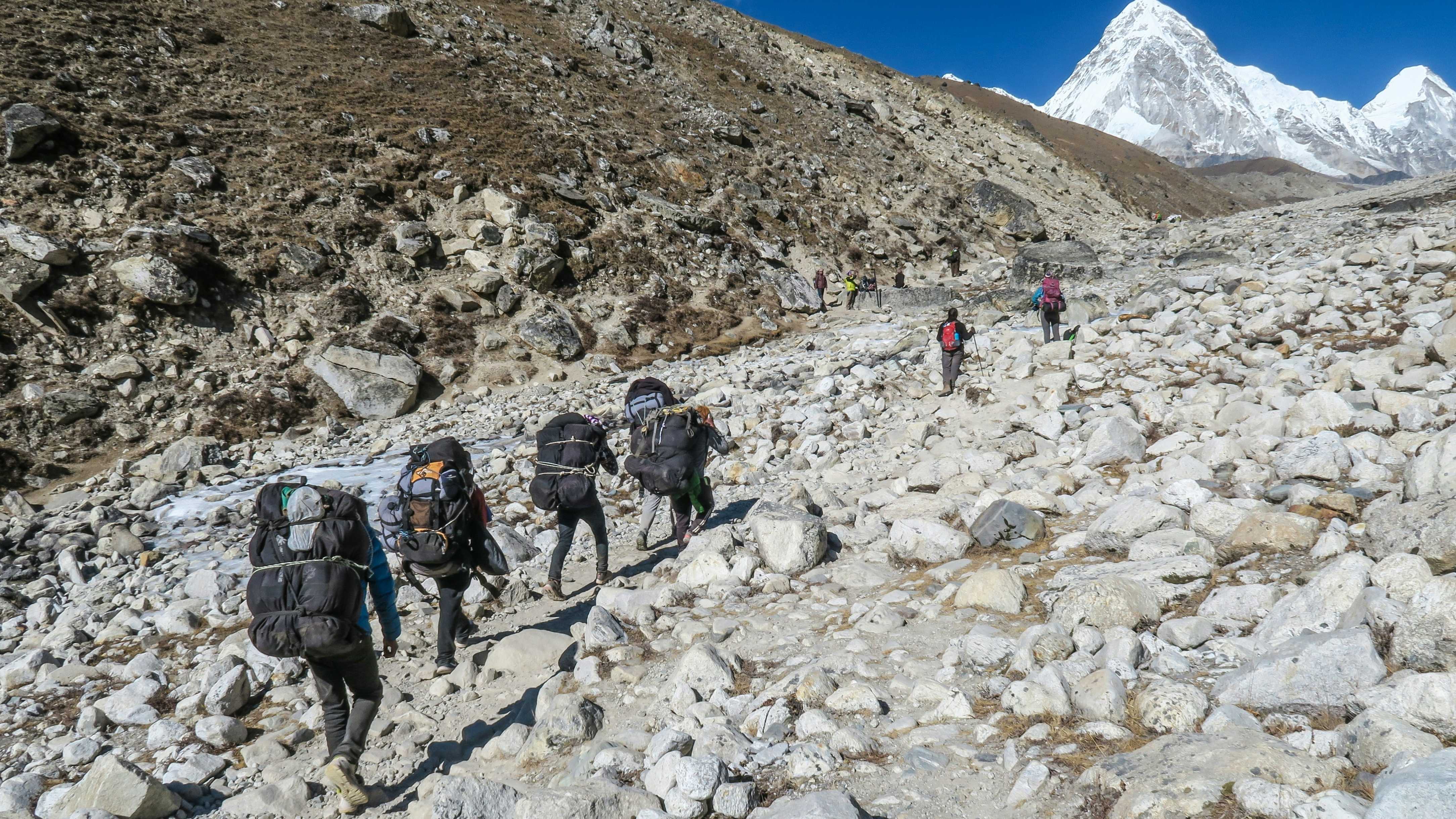
At the Mount Everest summit, your brain is operating on one-third of its normal oxygen supply. Understanding the symptoms of 'brain fog' or cognitive decline is a vital safety skill for every Mount Everest expedition member and Everest trekking peak climber.
Hypoxia affects the prefrontal cortex first. Decisions about turnaround times or gear checks become difficult. This is why Everest trekking guides provide constant verbal checks for everyone on the Mount Everest summit push.
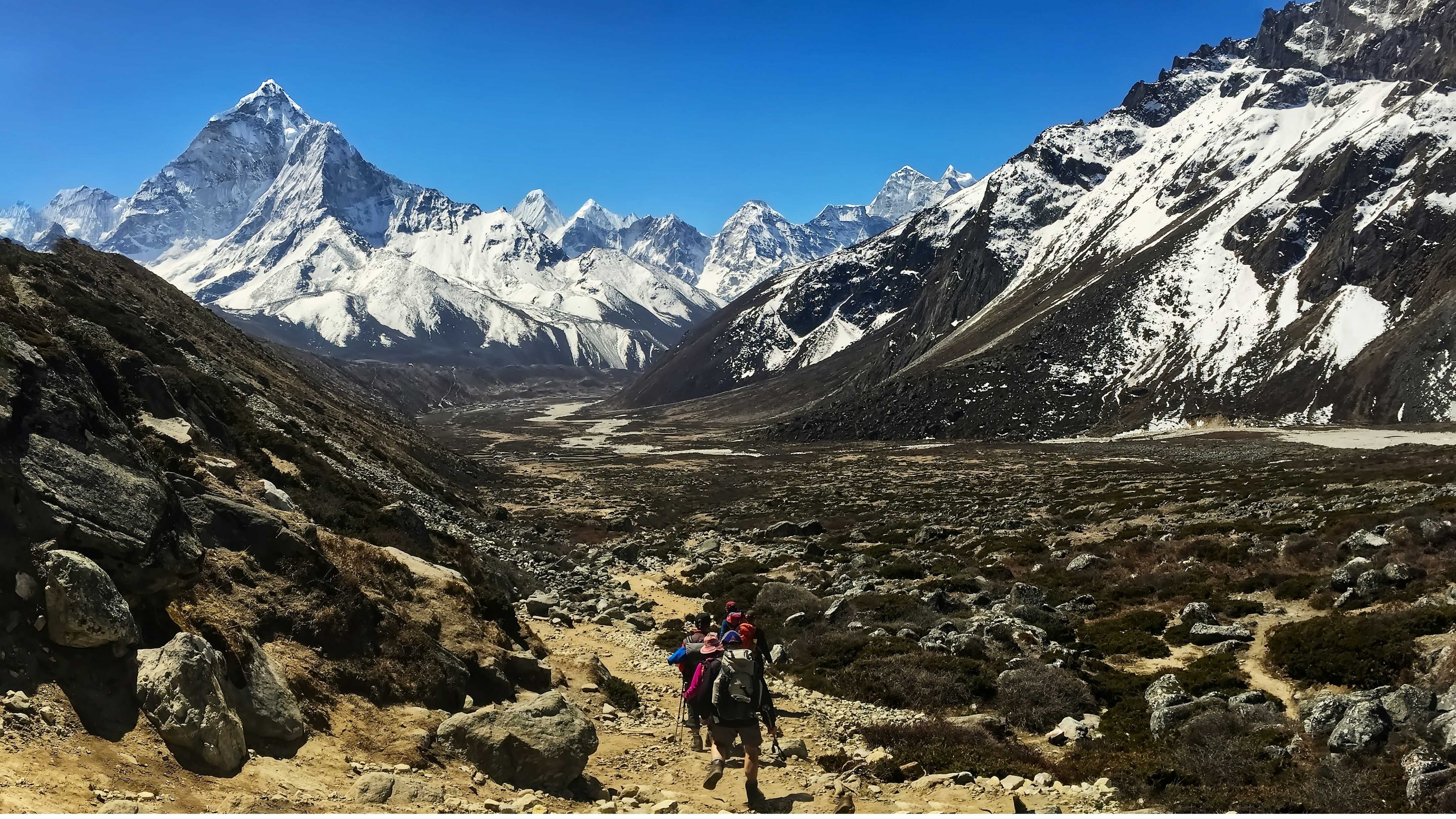
A dangerous side effect of low oxygen is a false sense of well-being. Mount Everest expedition members must be wary of feeling 'too good,' as this can lead to ignoring safety protocols near the Mount Everest summit ridge.
It takes time for the brain to recover after Everest trekking at extreme altitudes. Prioritizing rest and nutrient-rich foods after your Mount Everest expedition ensures your cognitive function returns to normal after the summit journey.
The Mount Everest summit is a mental marathon as much as a physical one. Respect the impact of hypoxia and rely on your team to ensure a safe and successful Mount Everest expedition.