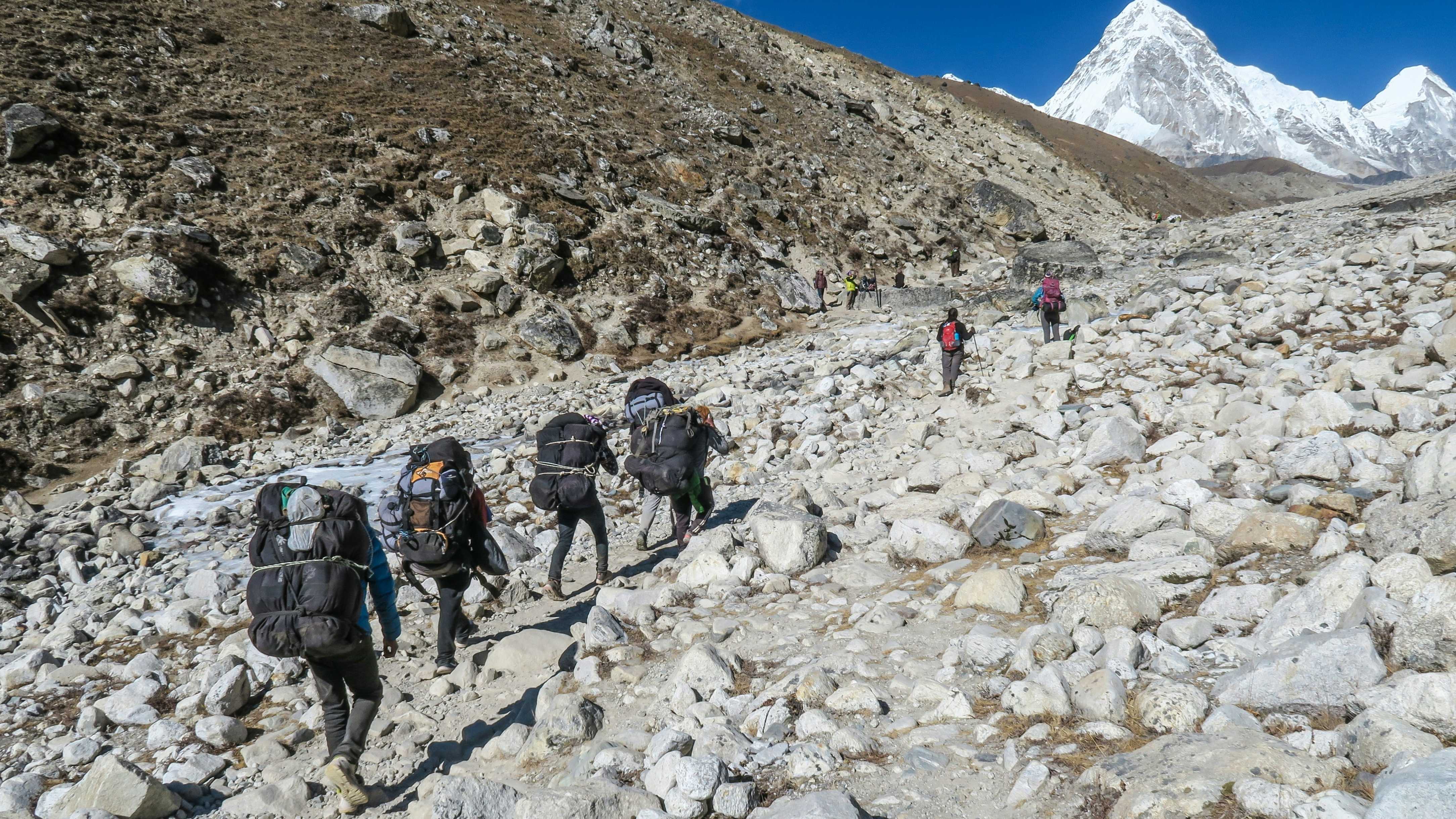
To survive the Mount Everest summit, your body must physically change. During a Mount Everest expedition, your kidneys produce erythropoietin (EPO), which triggers a massive surge in red blood cell production. This 'natural doping' is what allows you to finish your Everest trekking adventure.
By the time you reach Everest Base Camp, your red blood cell count has increased significantly. This allows your blood to carry more oxygen molecules despite the thin air near the Mount Everest summit. It is the body's primary defense against hypoxia.
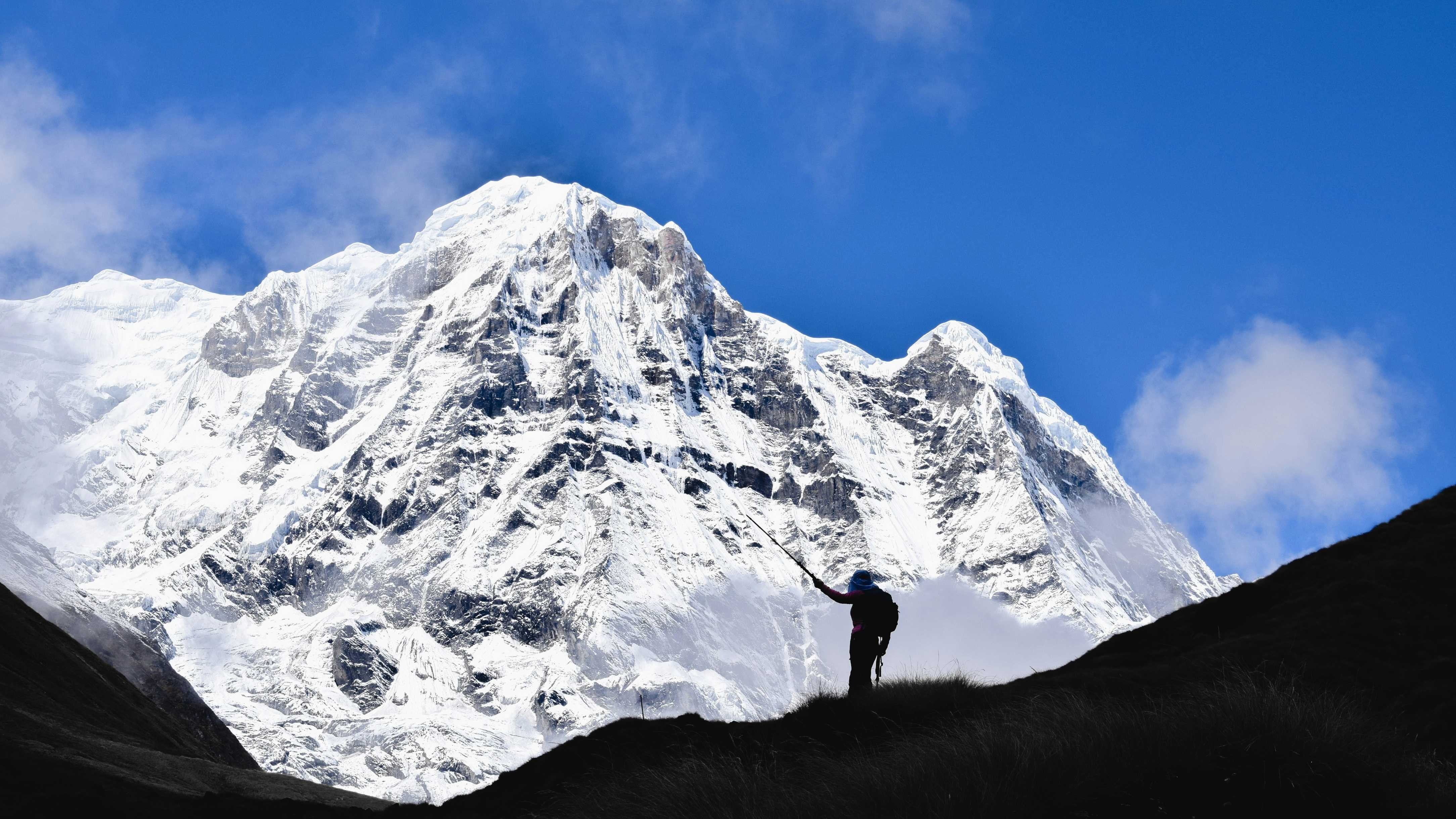
There is a trade-off. Extra cells make the blood more viscous, or 'sludgy.' This increases the risk of blood clots and frostbite on a Mount Everest expedition. Hydration is the only way to keep the blood flowing smoothly to your extremities.
Once you descend from the Mount Everest summit region, your blood count stays high for a few weeks. Many athletes find they have incredible stamina after Everest trekking, as their body gradually returns to sea-level chemistry.
Your body is an adaptive machine. Respect the time it takes to build these cells at Everest Base Camp, and they will reward you with the strength to reach the Mount Everest summit.