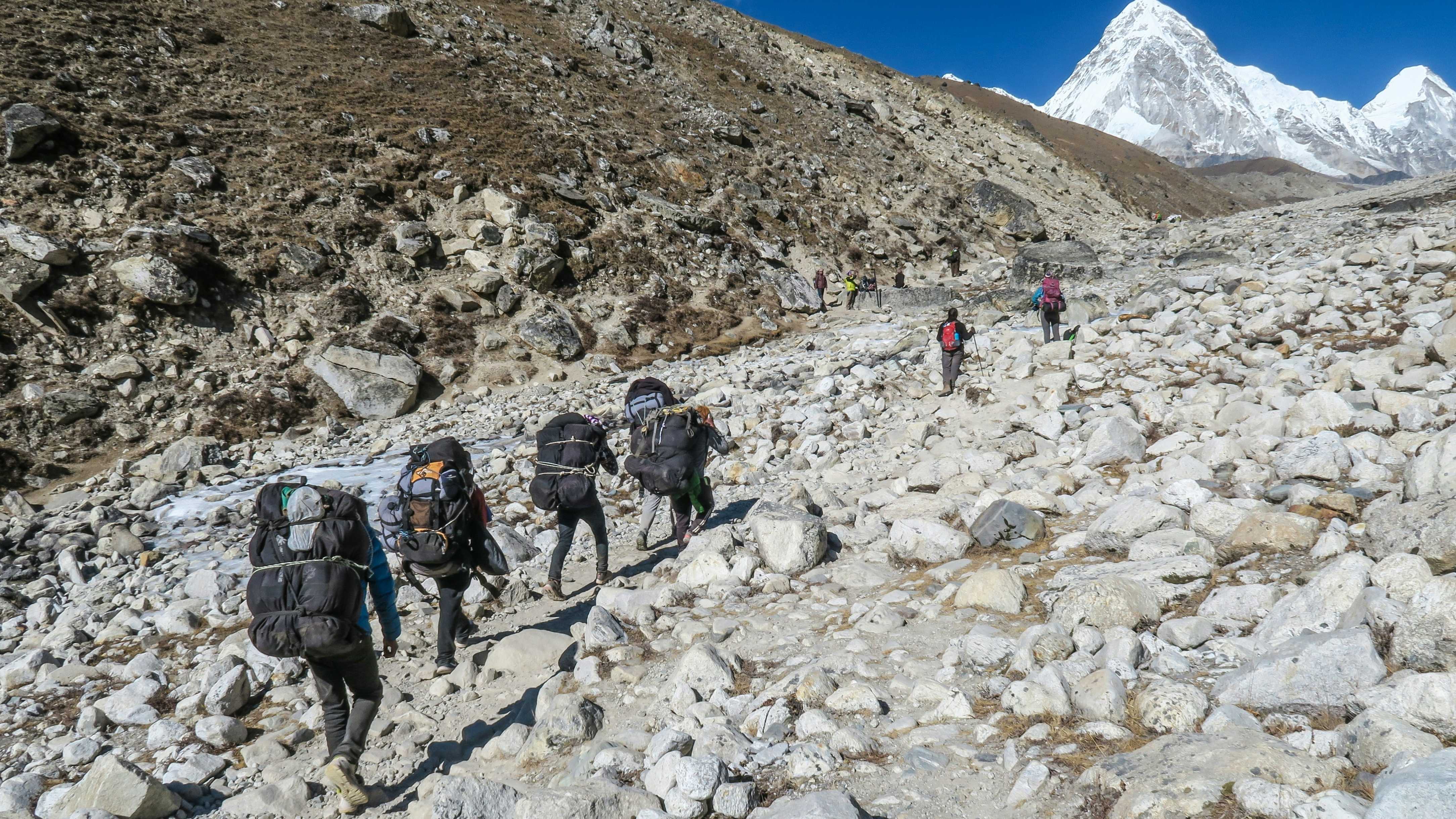
It’s a common myth that there is 'less' oxygen at the Mount Everest summit. In reality, the *percentage* of oxygen remains the same, but the atmospheric pressure is so low that your body can't absorb it. This is the core challenge of a Mount Everest expedition.
At sea level, air pressure pushes oxygen into your lungs. At the Mount Everest summit, that pressure is only 30% of what you are used to. This makes every breath an exhausting battle during your Mount Everest expedition and Everest trekking peaks.
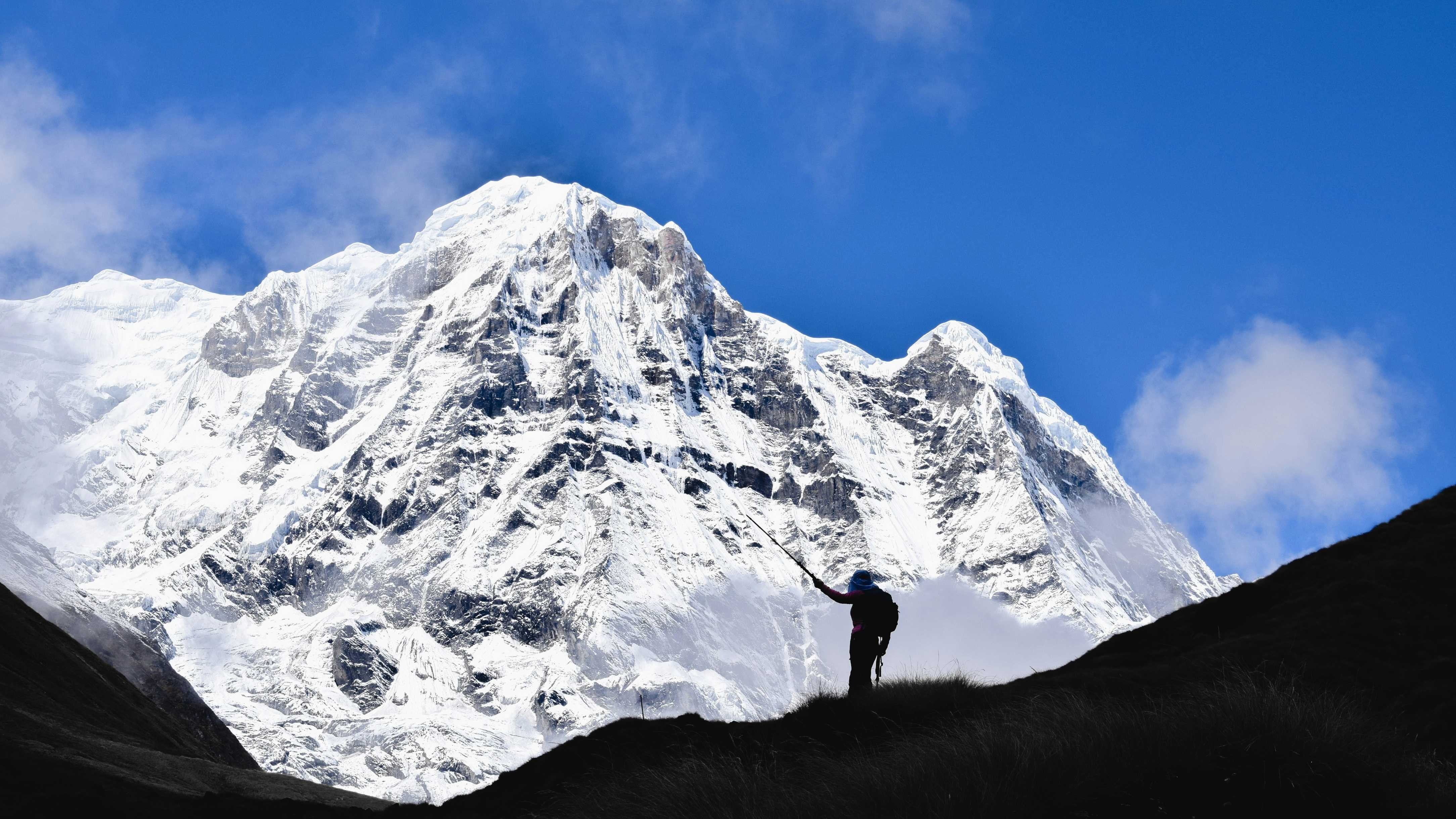
Oxygen enters your blood through a pressure gradient. In the thin air of Everest Base Camp, that gradient vanishes. Your body has to physically change its lung structure to adapt during your Mount Everest expedition.
Altitude tents used for Mount Everest summit preparation mimic this pressure drop. By sleeping in low pressure at home, you trigger the red blood cell surge needed for the true Everest trekking environment.
Pressure is the silent factor of the Mount Everest summit. Understanding this physics is the first step to mastering your Mount Everest expedition and Everest trekking goals.