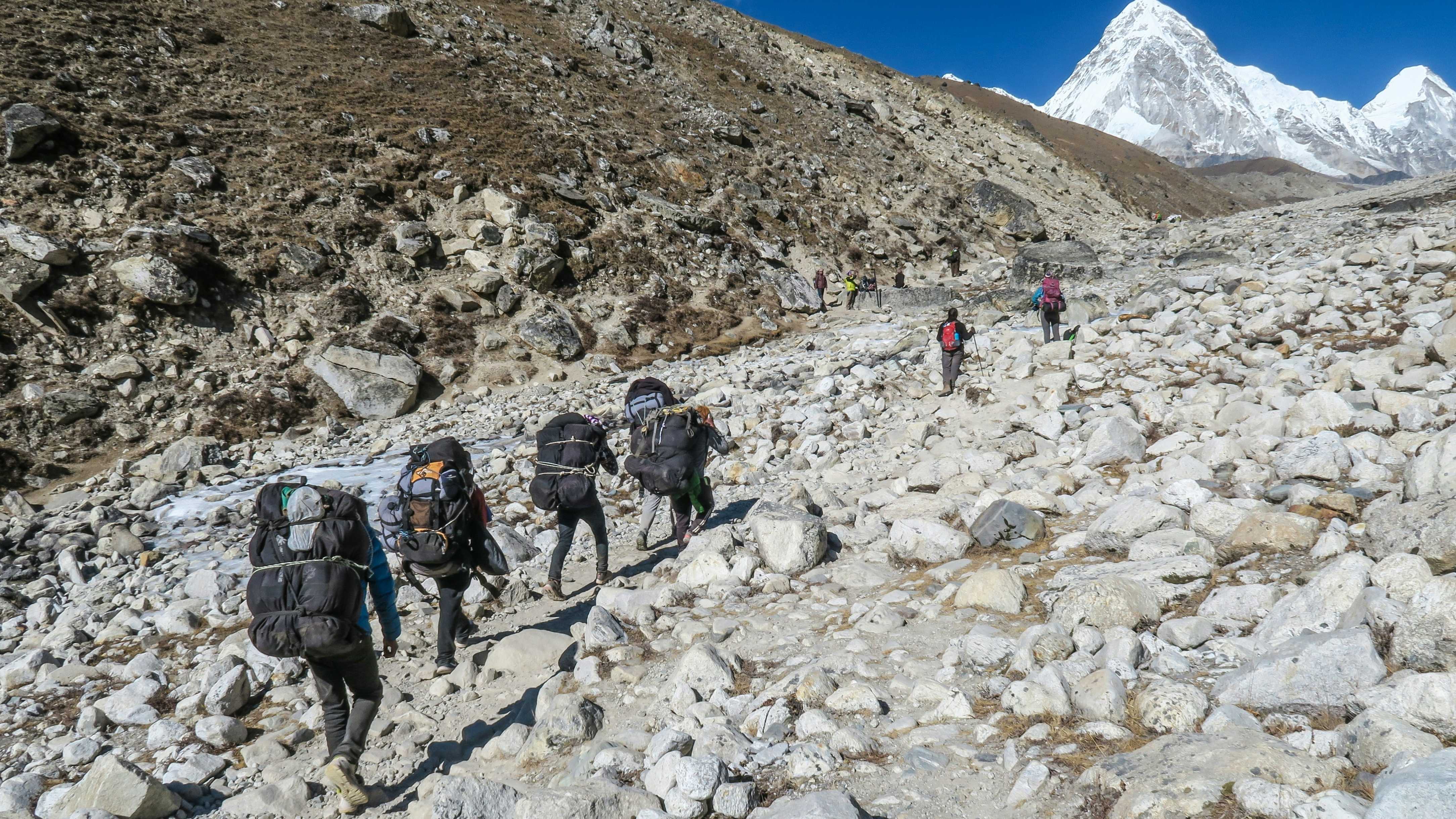
Trekkers and climbers often experience optical illusions during a Mount Everest expedition. Due to the extreme cold and varying air densities, light bends, making the Mount Everest summit appear to shift or shimmer.
In certain atmospheric conditions, the Mount Everest summit can appear much larger and closer than it actually is. This can lead to errors in judgment for Everest trekking groups who underestimate the time needed to reach a viewpoint.
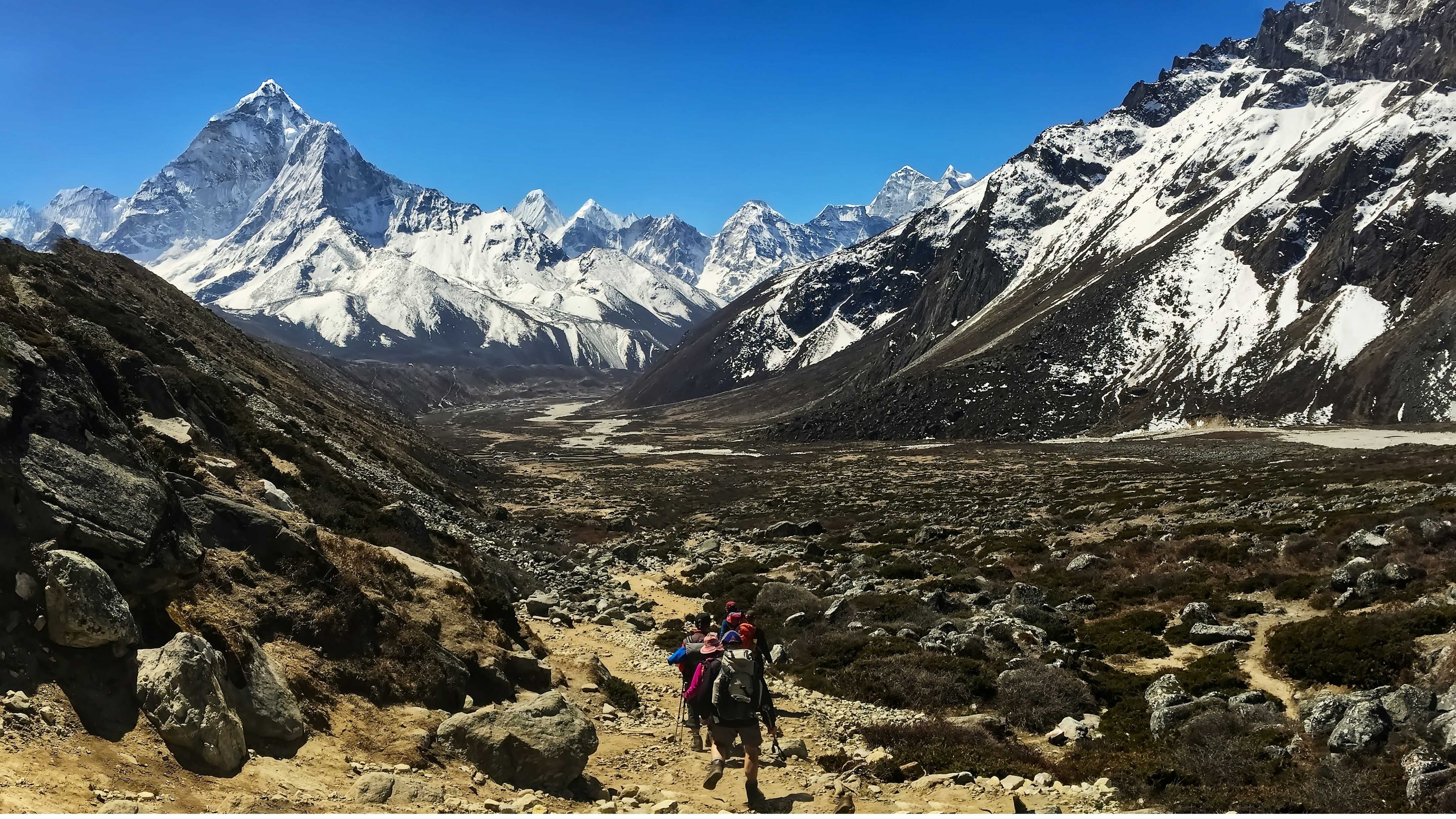
Complex temperature inversions can create mirages that make mountains look like giant castles or walls. For Mount Everest expedition members, these visual distortions are a surreal reminder of the thin atmosphere.
The high, clear air of the Mount Everest summit region is one of the few places on Earth where you can see the 'green flash' as the sun disappears. It is a rare reward for those spending the night at high-altitude camps.
The physics of light adds to the magic of the Mount Everest summit. Keep your eyes open for these rare phenomena during your Everest trekking adventure.