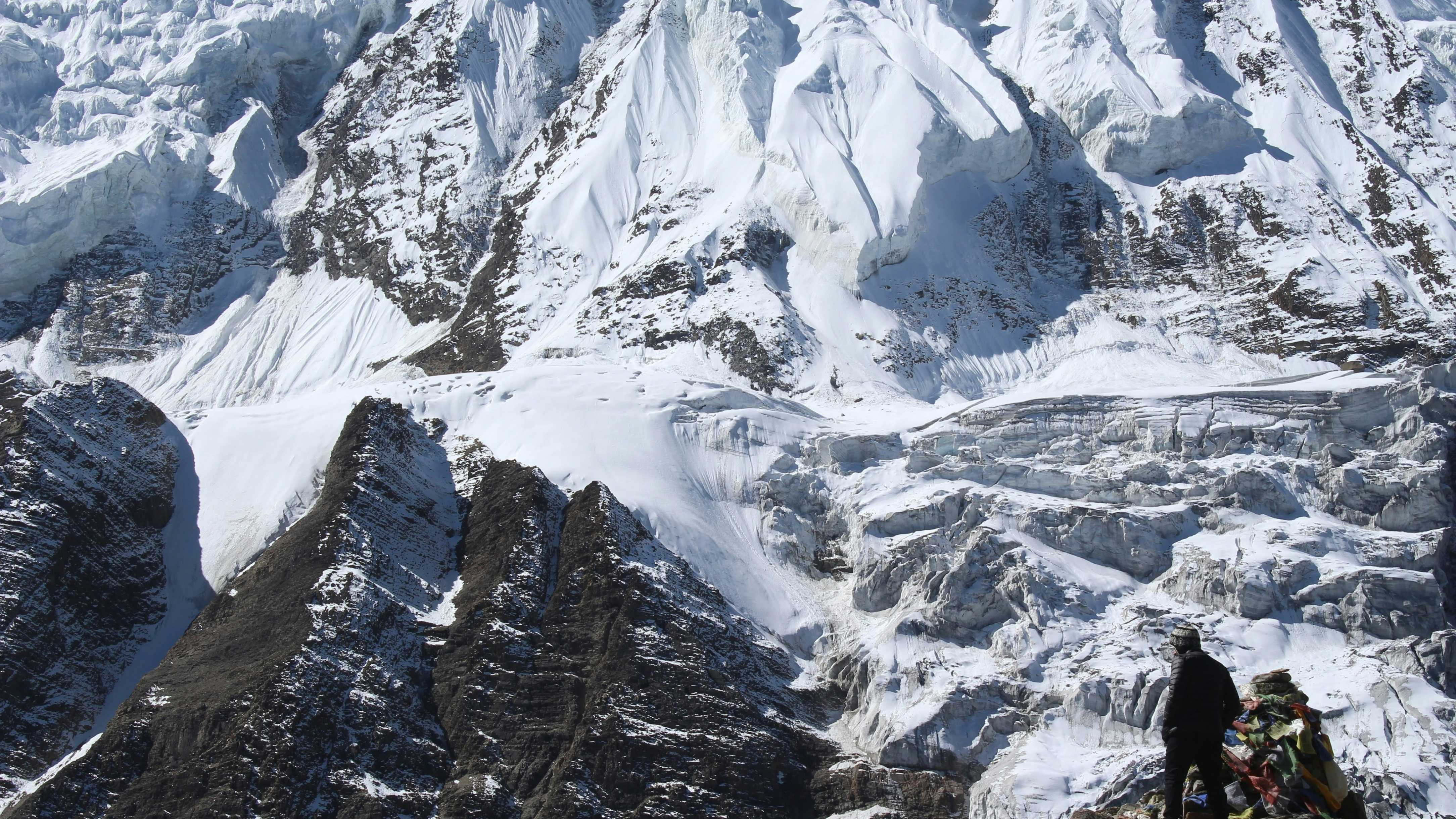
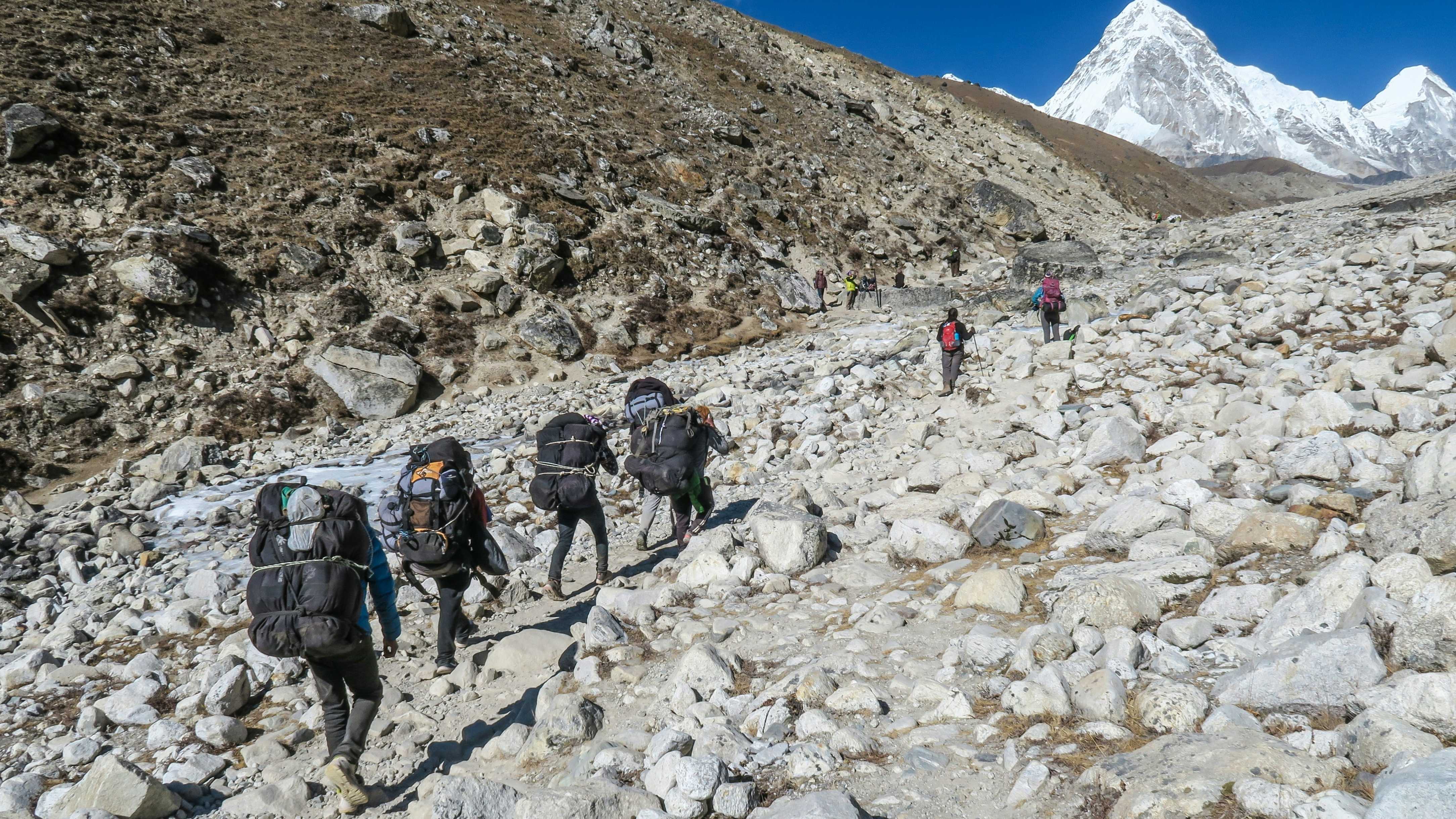
Everest Base Camp is a paradox: you need heat to survive, but too much heat melts the glacier beneath you. Managing thermodynamics is a daily challenge for every Mount Everest expedition and Everest trekking support team.
Large dining tents use multi-layer flooring to prevent body heat from melting the ice. This 'thermal break' keeps the Mount Everest expedition hub stable and prevents the tents from sinking into the Khumbu Glacier.
During the day, tents act as greenhouses, trapping solar radiation. In the evening, Mount Everest summit teams rely on catalytic heaters that produce warmth without toxic fumes, essential for the safety of the expedition.
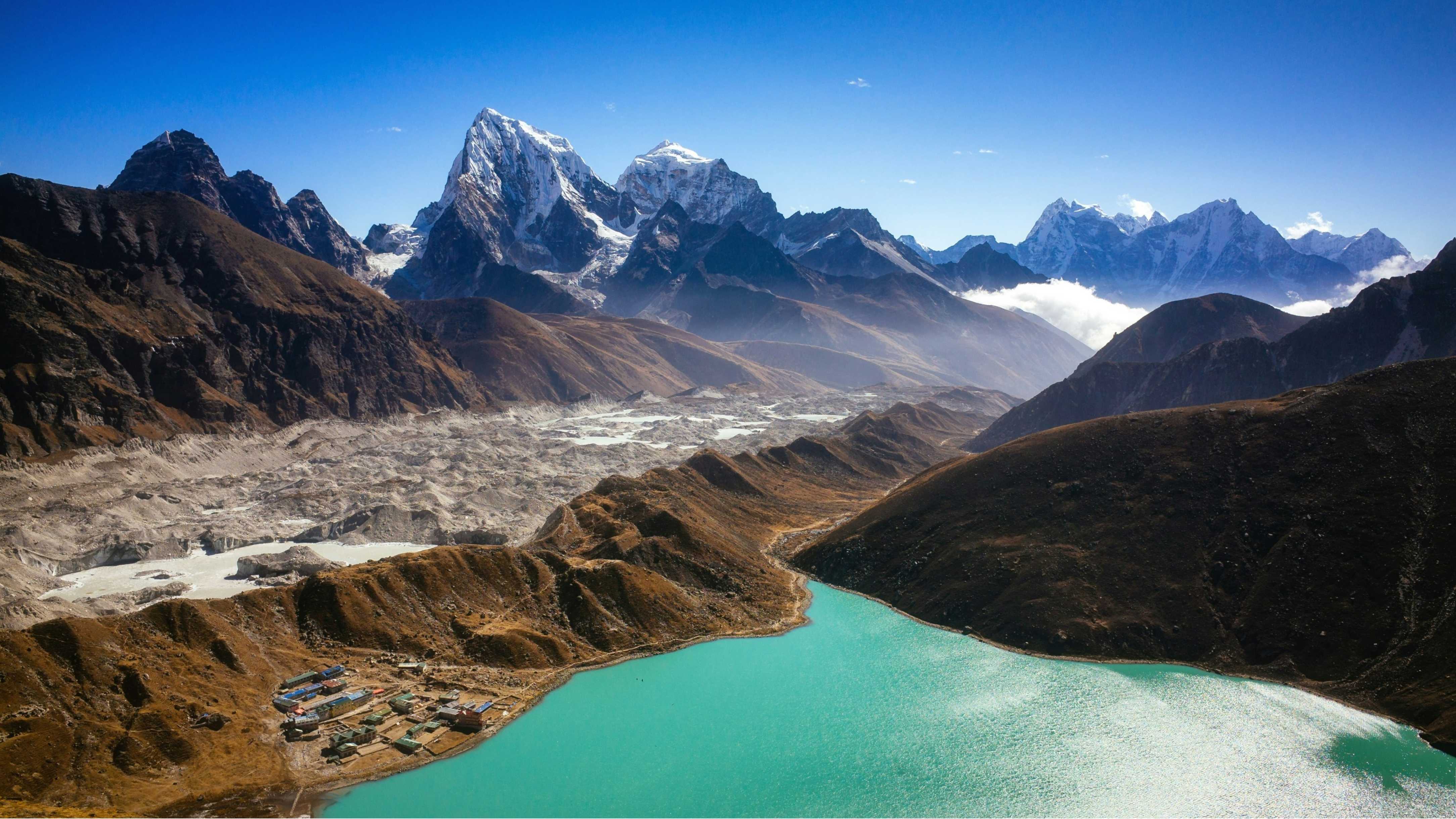
Lower down the Everest trekking trail, teahouses use dried yak dung for fuel. It is a sustainable, high-energy carbon source that has warmed generations of Sherpas and Mount Everest expedition members.
Conserving heat is as important as conserving oxygen. Understanding how to stay warm effectively is the key to a comfortable and successful journey toward the Mount Everest summit.