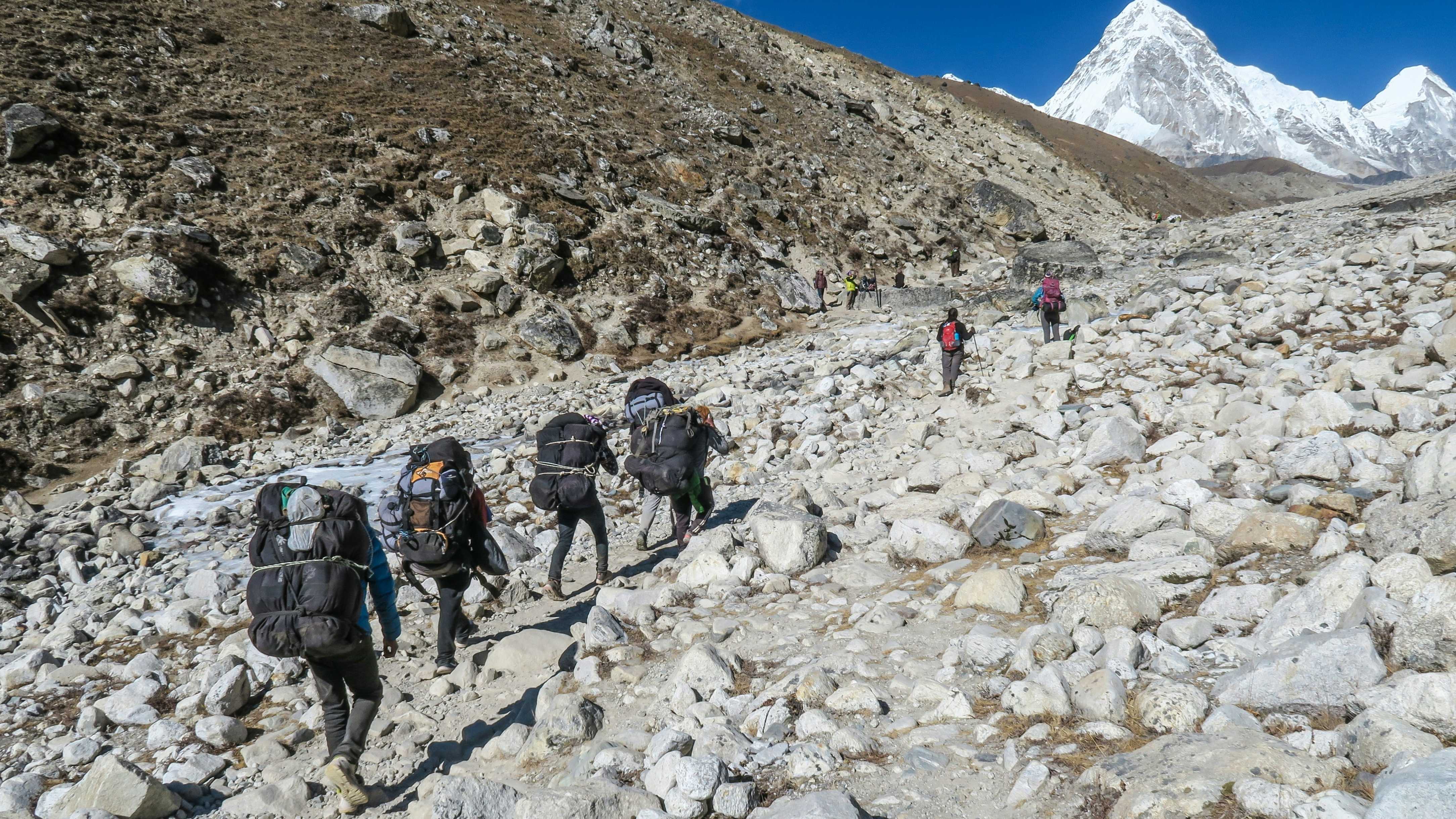
As your red blood cell count surges during a Mount Everest expedition, your blood becomes thick and difficult to pump. Understanding the physics of 'sludge blood' is a vital safety skill for anyone aiming for the Mount Everest summit.
Thick blood flows slowly through the tiny capillaries in your brain and eyes. This is why many Mount Everest summit teams monitor hydration so aggressively; it is the only way to thin the blood and prevent strokes at 8,000m.
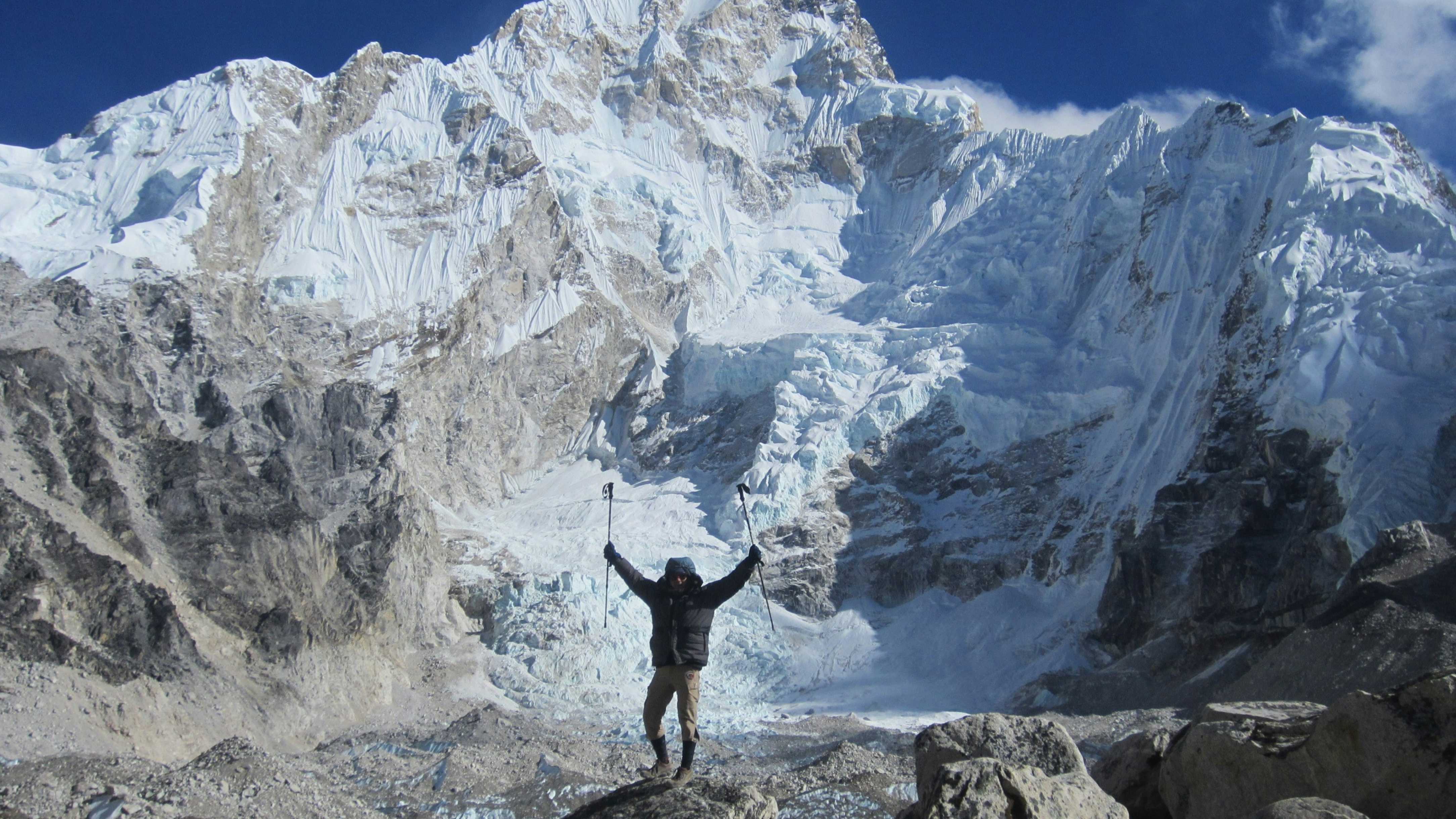
Cold weather further constricts blood vessels. Thick blood plus constricted vessels is the perfect recipe for frostbite. Drinking enough water on the Everest trekking trail is your primary defense against permanent tissue damage.
Success on a Mount Everest expedition requires drinking 4 to 5 liters of water every day. This simple Everest trekking habit ensures your blood remains fluid enough to transport oxygen to your brain for the Mount Everest summit push.
Hydration is not just about thirst; it is about maintaining your internal plumbing. Drink consistently to ensure your Mount Everest expedition reaches the summit safely.