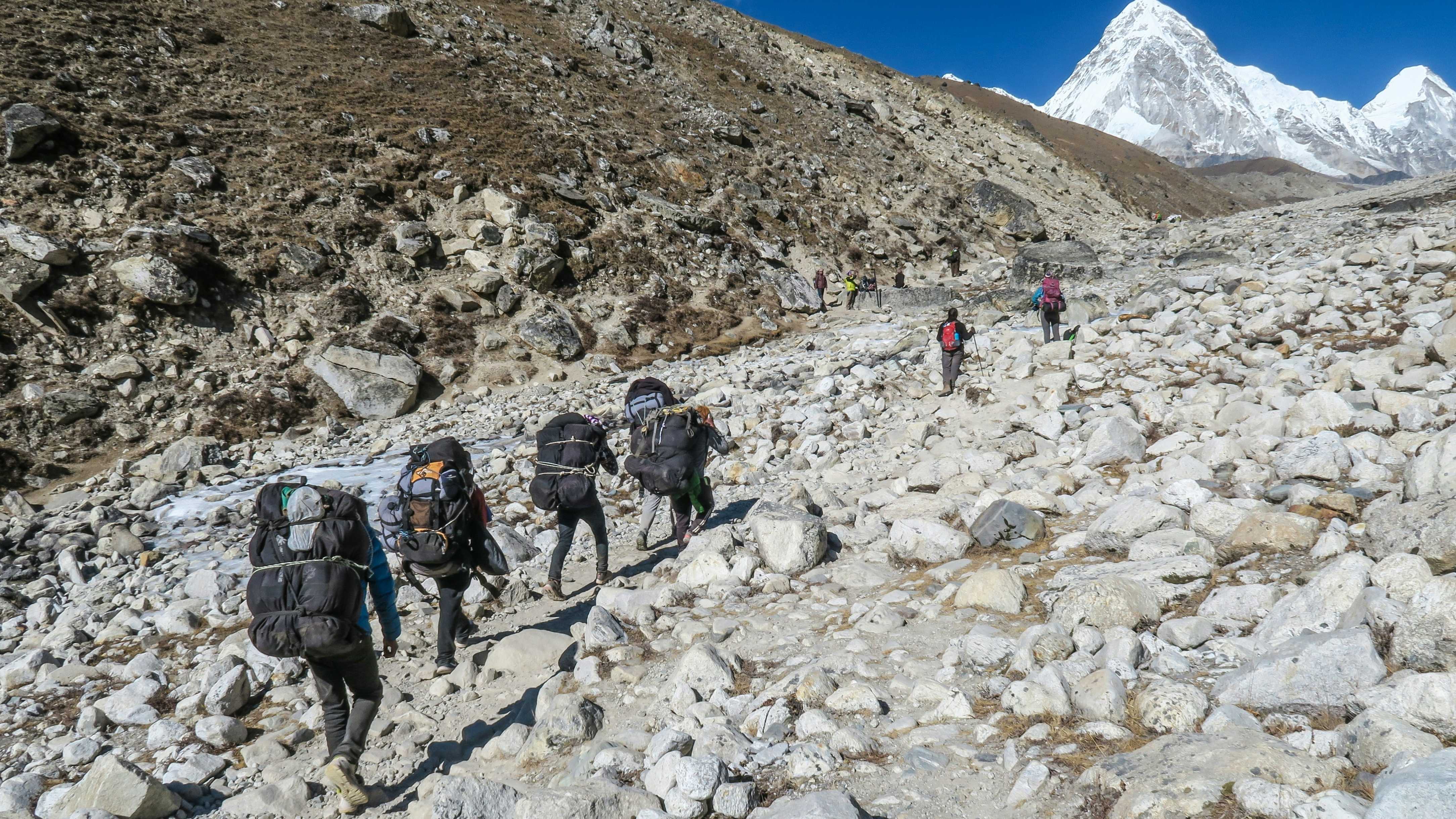
At high altitude, your body produces more red blood cells to carry oxygen, which makes your blood thick. Understanding the physics of this 'sludge blood' is vital for every Mount Everest expedition member's safety.
Thin air is dry air. As you breathe, you lose massive amounts of moisture. This dehydration further thickens the blood, significantly increasing the risk of strokes and frostbite during your Mount Everest summit push.
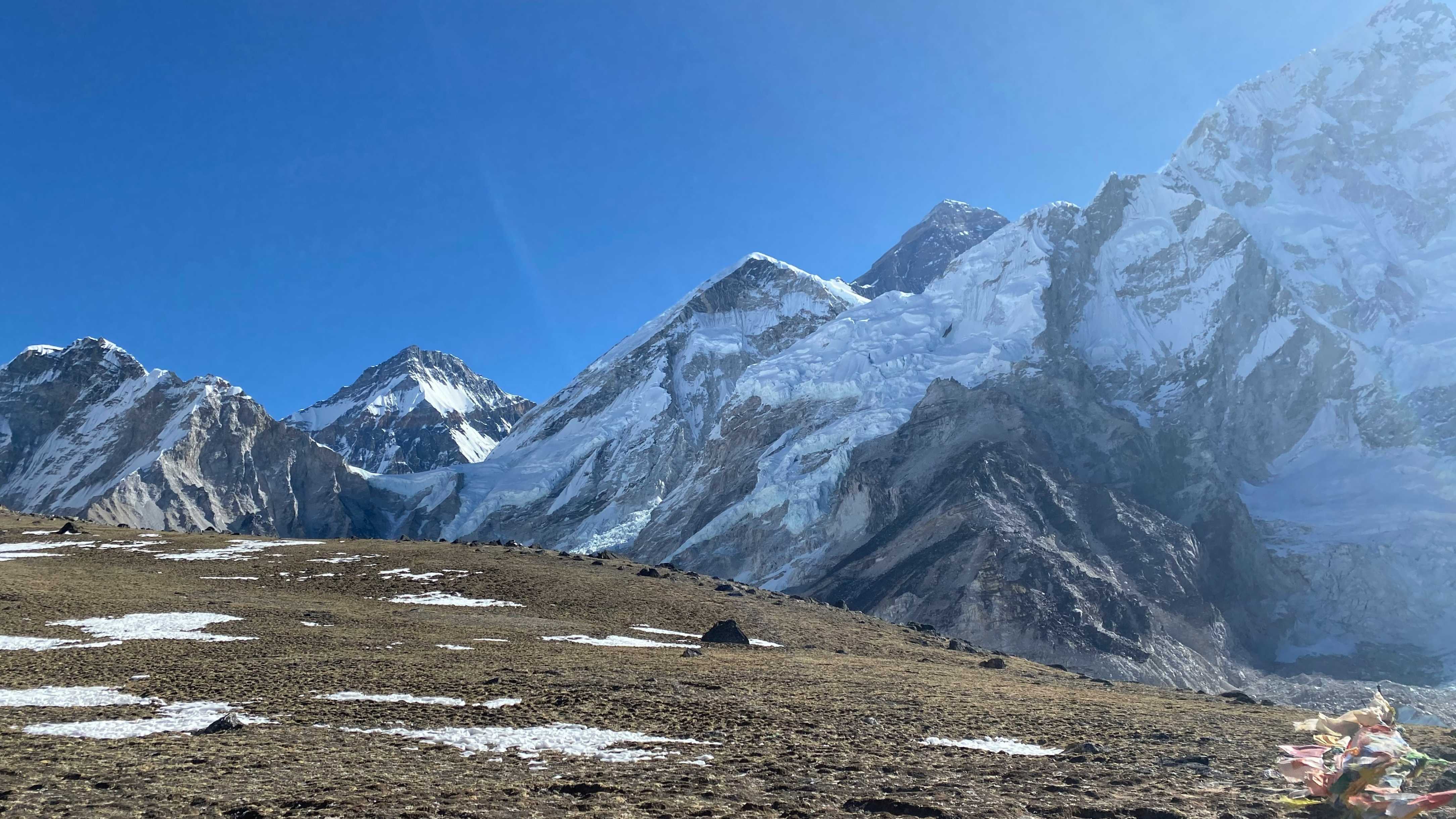
The only way to keep your blood thin enough to reach the Mount Everest summit is to drink 4 liters of water a day. This is a full-time job during Everest trekking but is essential for the health of your expedition.
Thin blood flows easily to your fingers and toes. Thick blood stalls, causing the numbness that leads to permanent injury. Hydration is your primary heat management system on a Mount Everest expedition.
Drink or fail. It’s that simple on the road to the Mount Everest summit. Prioritize your hydration to ensure your Everest trekking adventure is safe and successful.