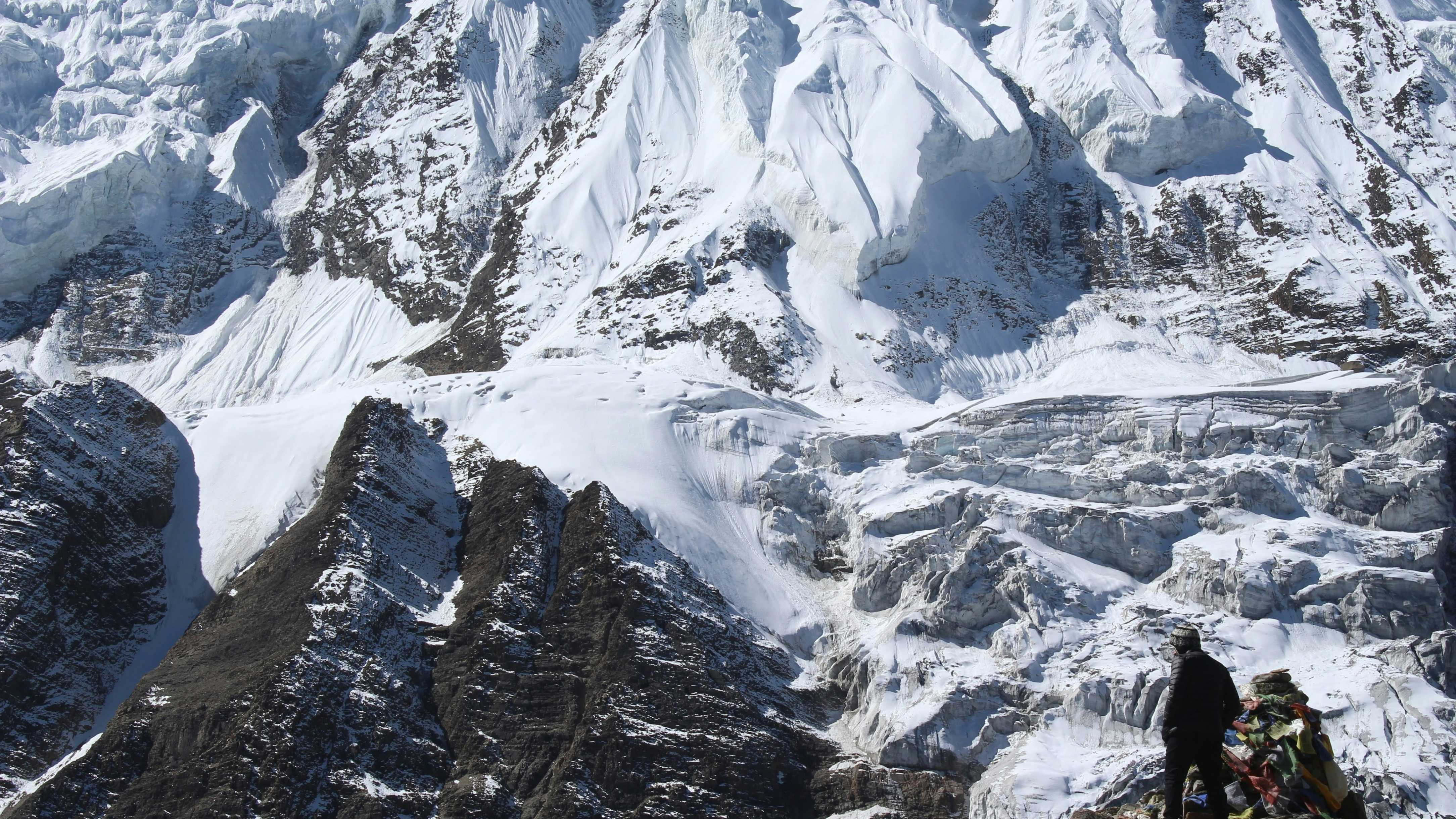
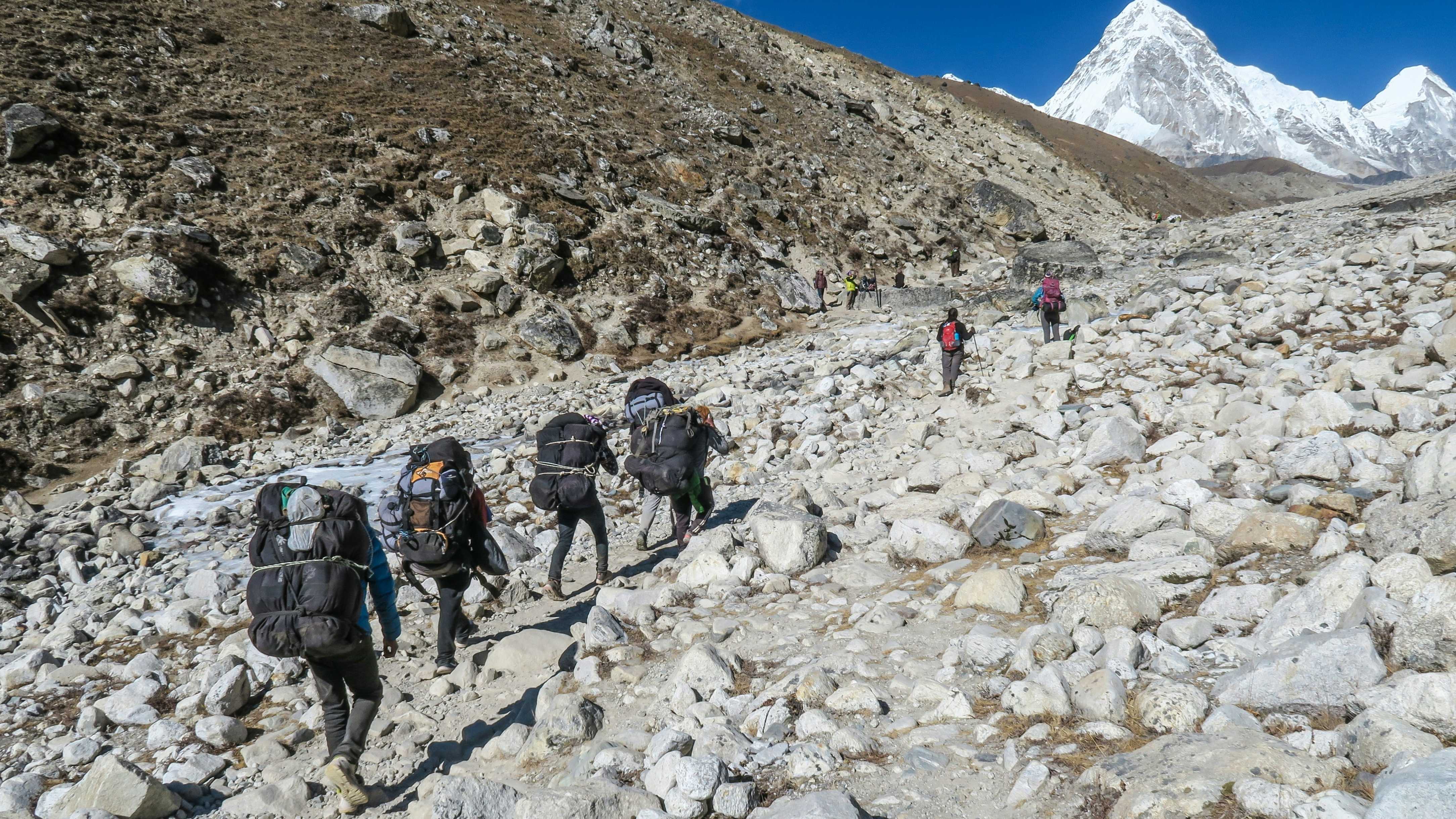
On the steep blue ice of the Lhotse Face, your only connection to the mountain is 12 steel points. Understanding the physics of crampons is vital for a safe Mount Everest summit push during any expedition.
Horizontal front points are best for the hard, consolidated snow of the Mount Everest summit ridge. They provide a stable 'shelf' for your boot, reducing leg fatigue during the final hours of your Mount Everest expedition.

When snow sticks to the bottom of your crampons, it creates a dangerous 'ball' that causes you to slip. Modern Everest trekking crampons use specialized plastic plates to ensure the steel points always stay clear for the Mount Everest summit approach.
For technical climbing, you need a rigid crampon that won't flex on ice. This precision is what allows Mount Everest expedition members to scale vertical sections of the Icefall with confidence.
Crampons are the most critical interface between you and the mountain. Treat them with care and sharpen them often to ensure a successful Mount Everest summit bid.