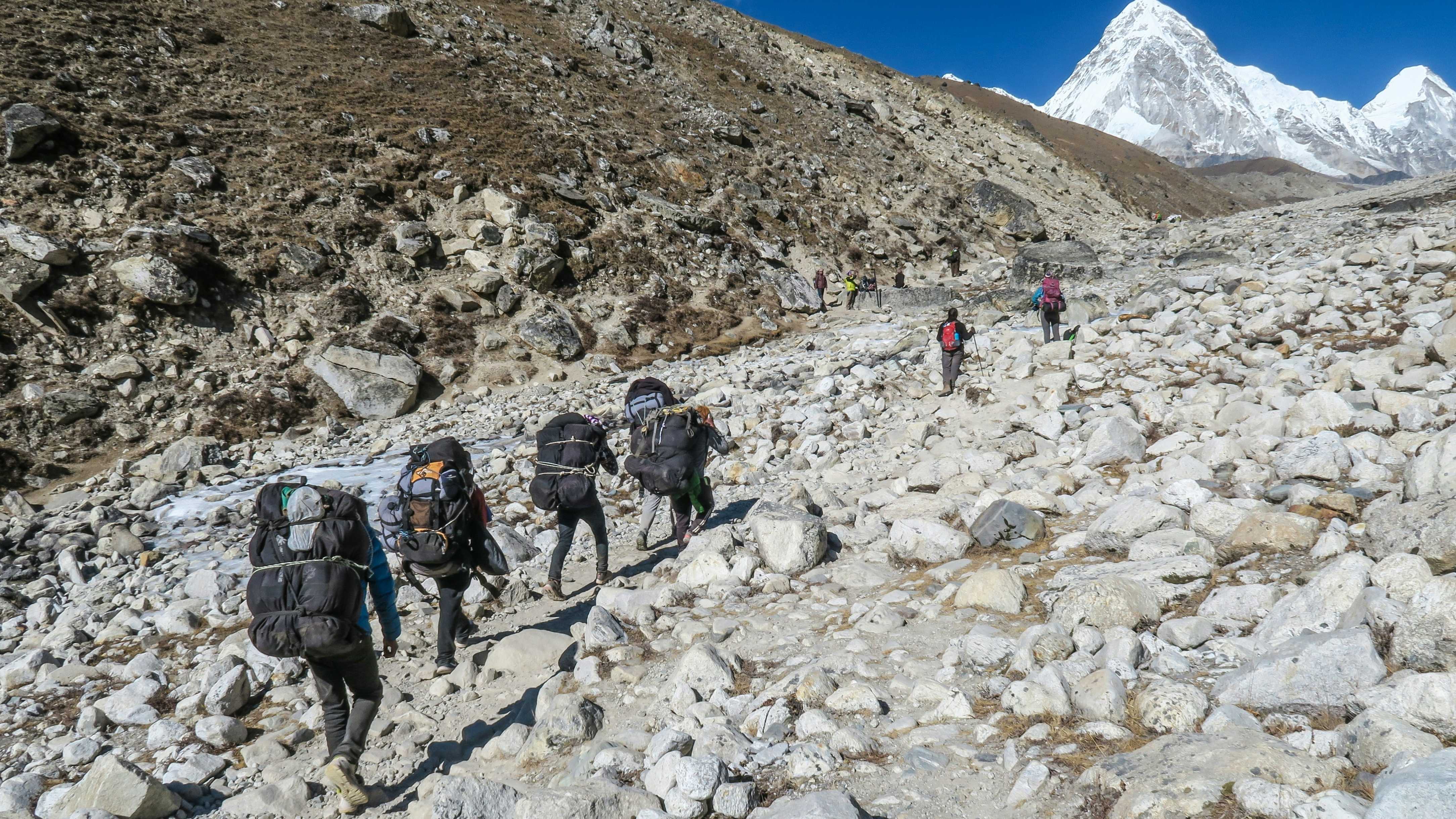
Standard camping stoves fail at high altitude. Near the Mount Everest summit, the lack of oxygen and extreme cold require specialized stoves to turn ice into the water needed for a Mount Everest expedition.
Butane/Propane mixes are standard, but the ratio must be perfect. Stoves like the MSR Reactor use radiant burners to maintain heat even in the low-oxygen environment of the Mount Everest summit ridge.
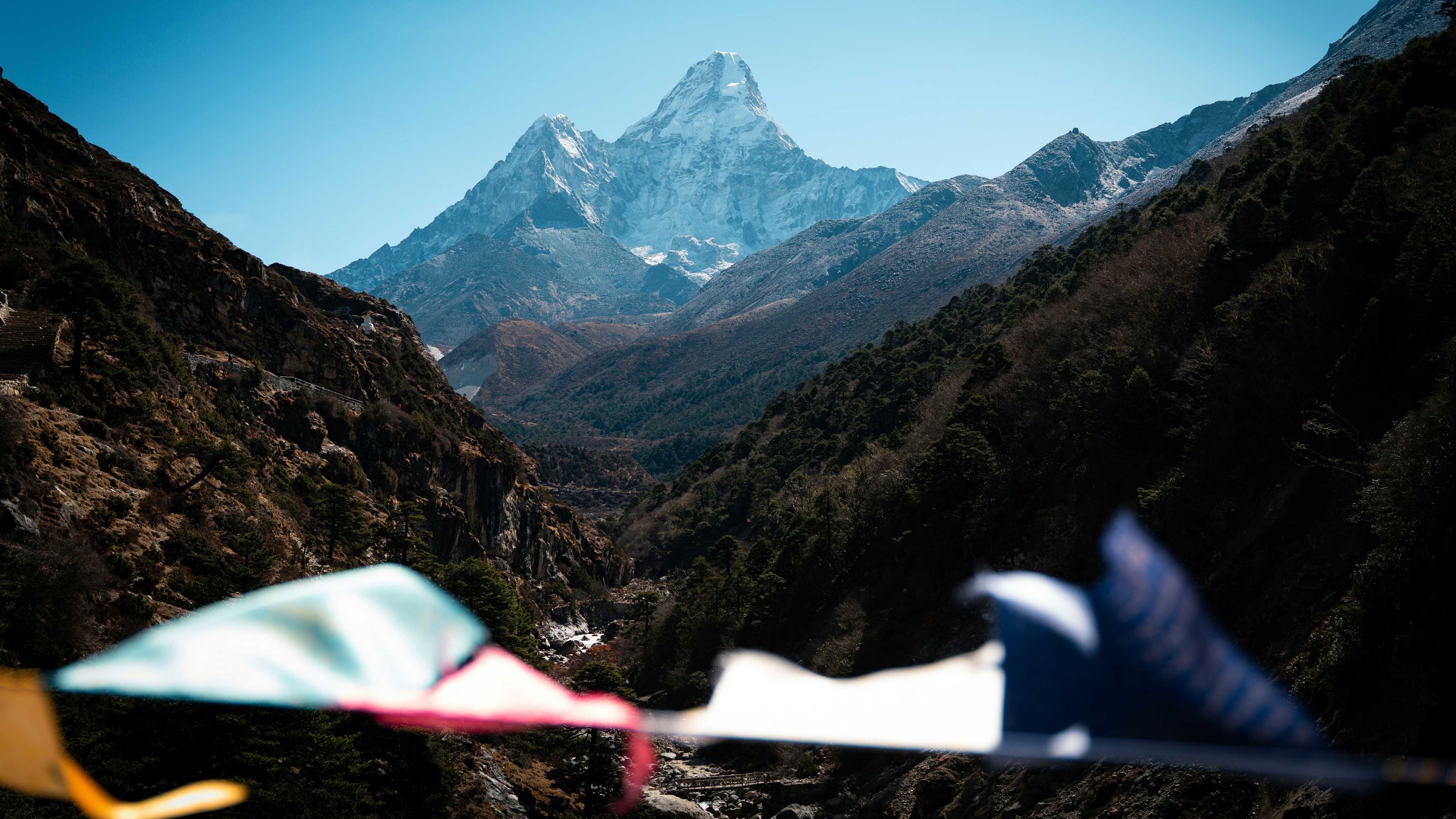
At high camps, wind strips heat away instantly. Modern Everest trekking stoves use heat exchangers to trap every calorie, ensuring you spend less time melting snow and more time resting for the summit.
Piezo igniters fail in thin air. Every Mount Everest expedition member carries multiple flint lighters tucked against their skin to ensure they can start their stove on the morning of the Mount Everest summit push.
Without fire, there is no water. Understanding the physics of your stove is a foundational skill for any successful and safe Mount Everest expedition.