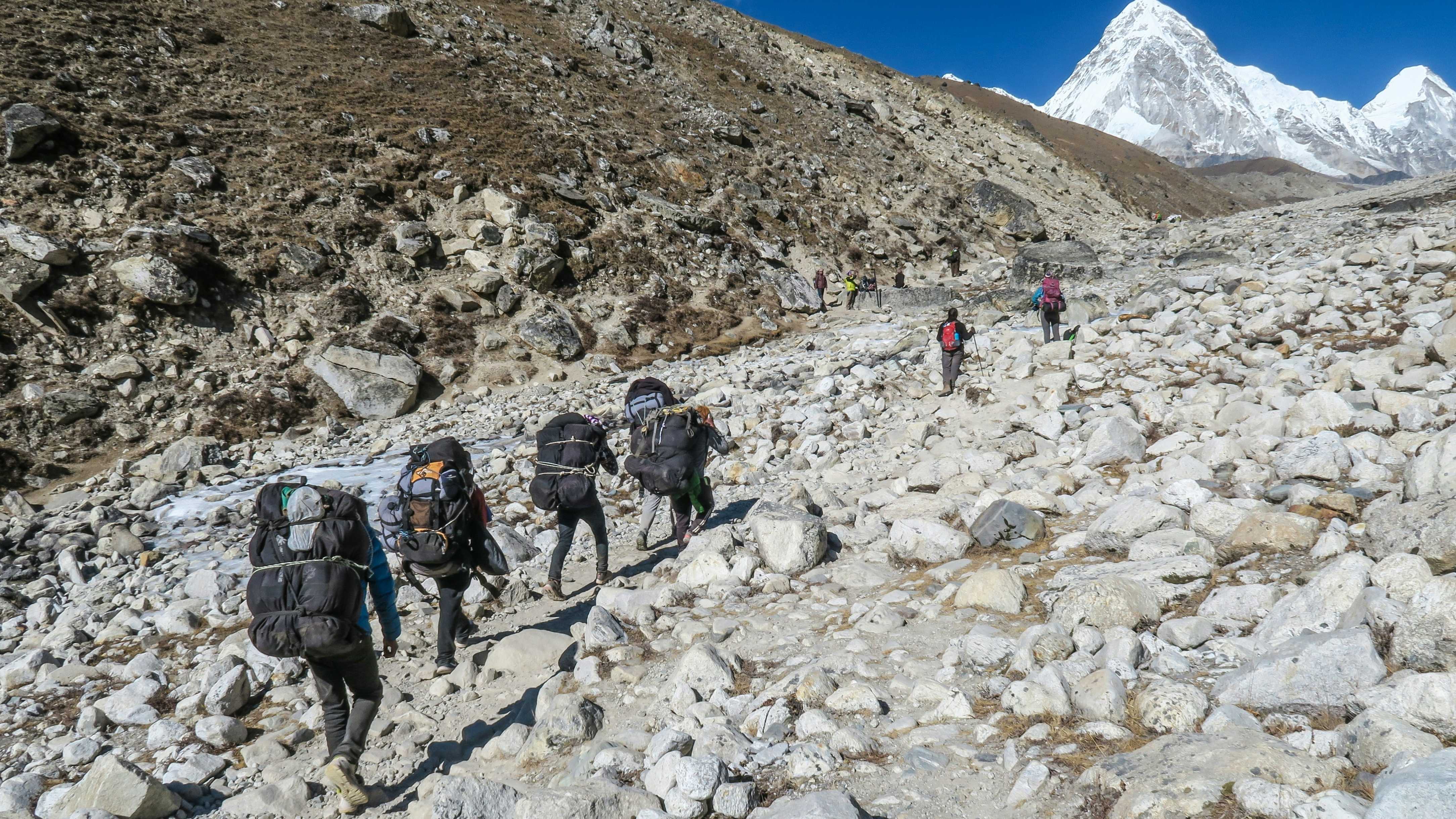
The ice you walk on during your Everest trekking adventure started as snow centuries ago. Understanding the physics of the Khumbu Glacier adds a deep sense of time to your Mount Everest expedition.
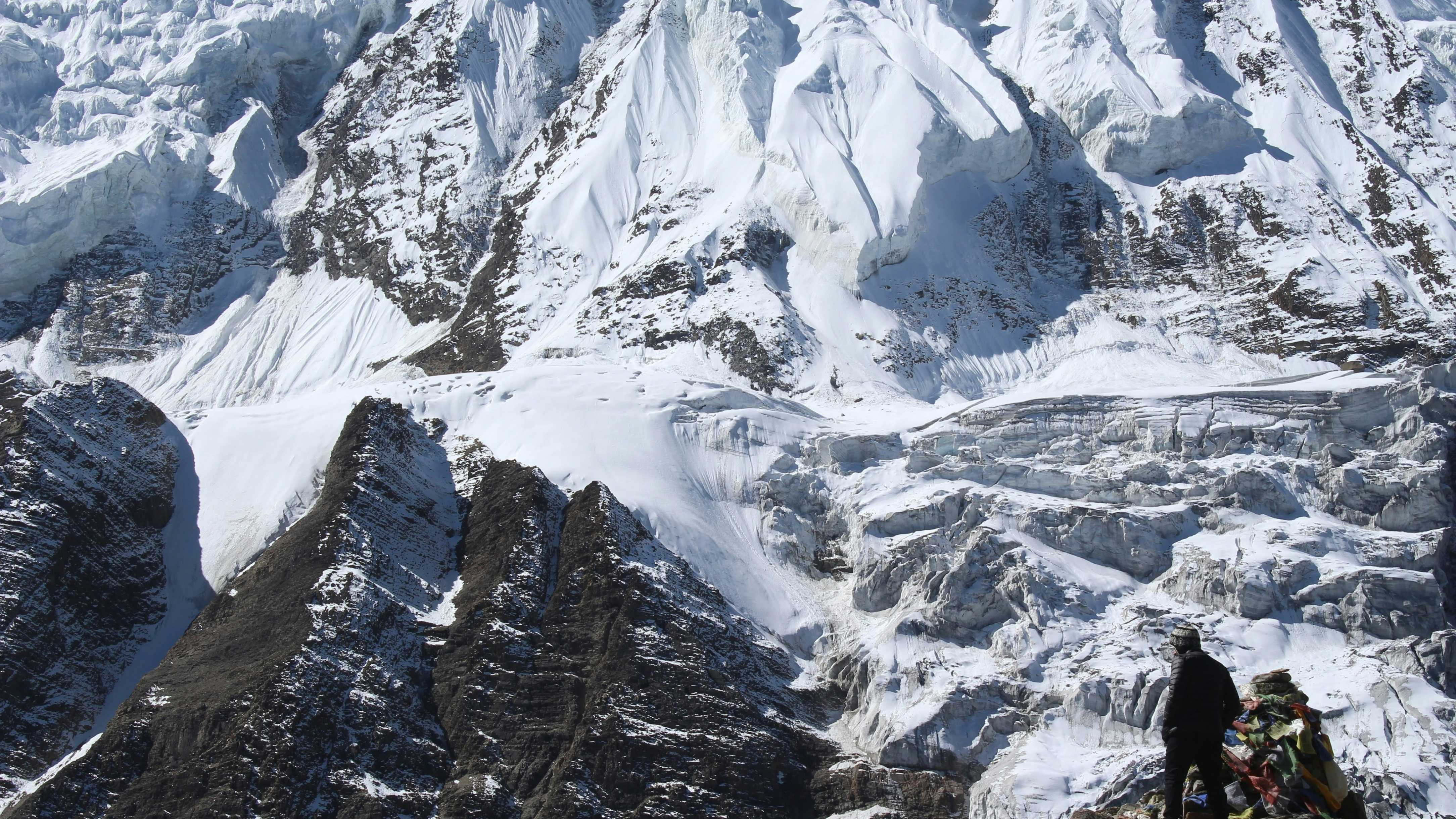
Under its own weight, the ice at the base of the glacier becomes 'plastic' and flows downhill. This constant motion is what creates the crevasses that make the Mount Everest summit route so dangerous.
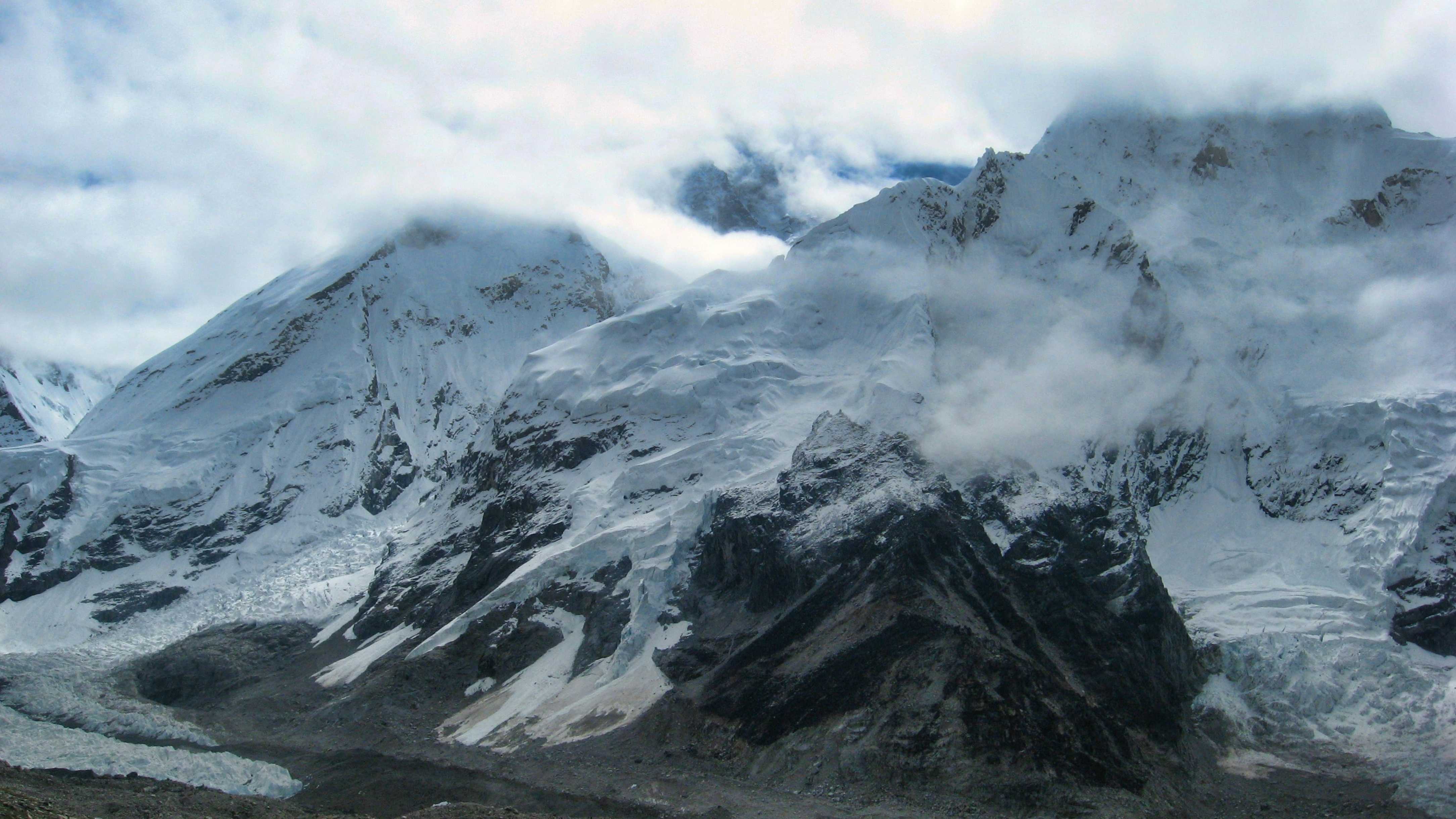
The bubbles in the ice at Everest Base Camp contain air from hundreds of years ago. Scientists use this data to track climate change, making the Mount Everest expedition region a vital laboratory for the world.
The deep blue color of the glacier is caused by the extreme compression of snow into ice, which absorbs all colors except blue. It is a stunning sight on the way to the Mount Everest summit.
The glacier is a living, moving museum. Every step of your Everest trekking journey is a connection to the planet's frozen past.