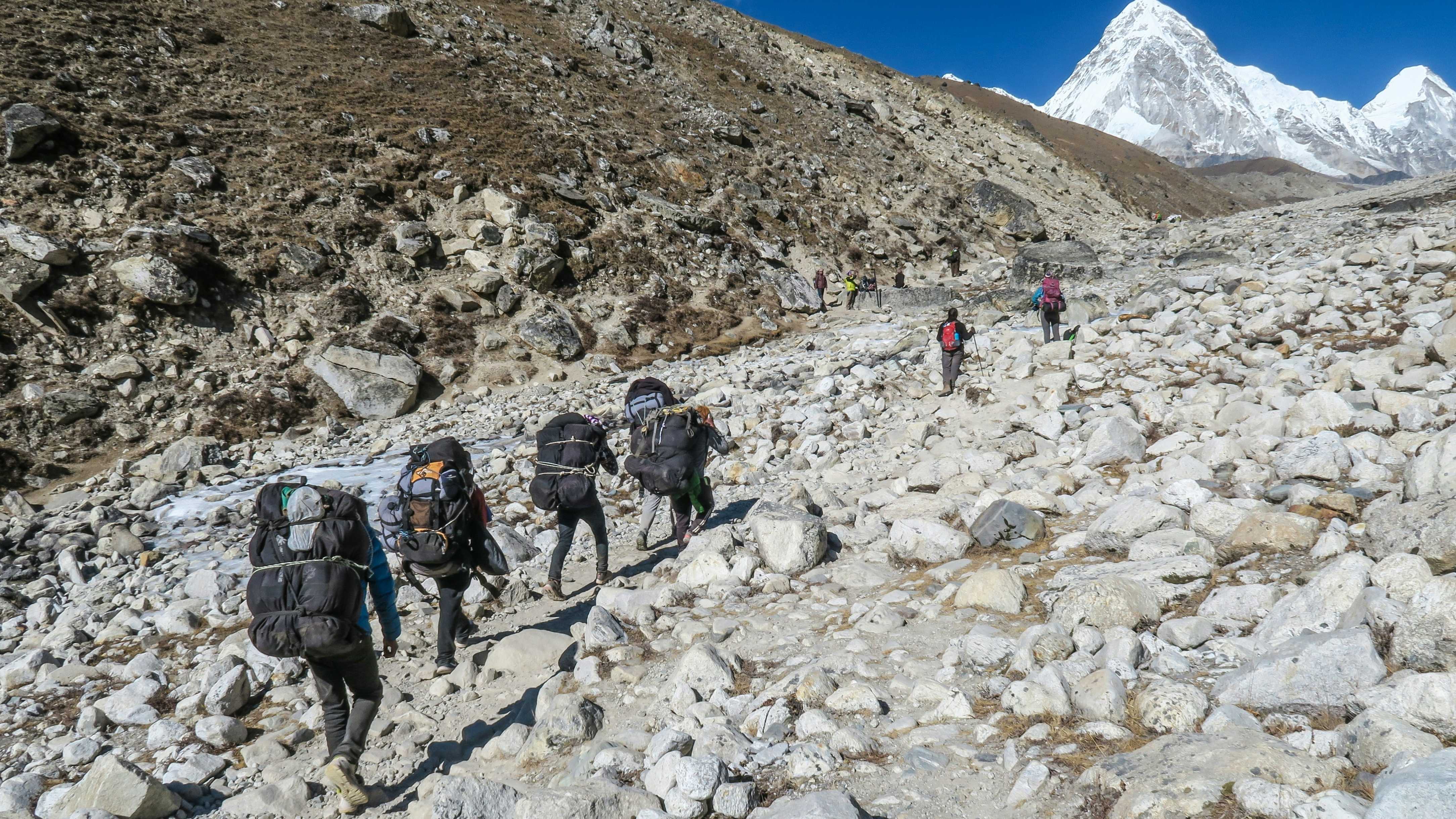
Everest Base Camp is not on stable ground; it’s on a moving river of ice. Understanding the physics of glacial movement is essential for navigating the Mount Everest summit route safely during an expedition.
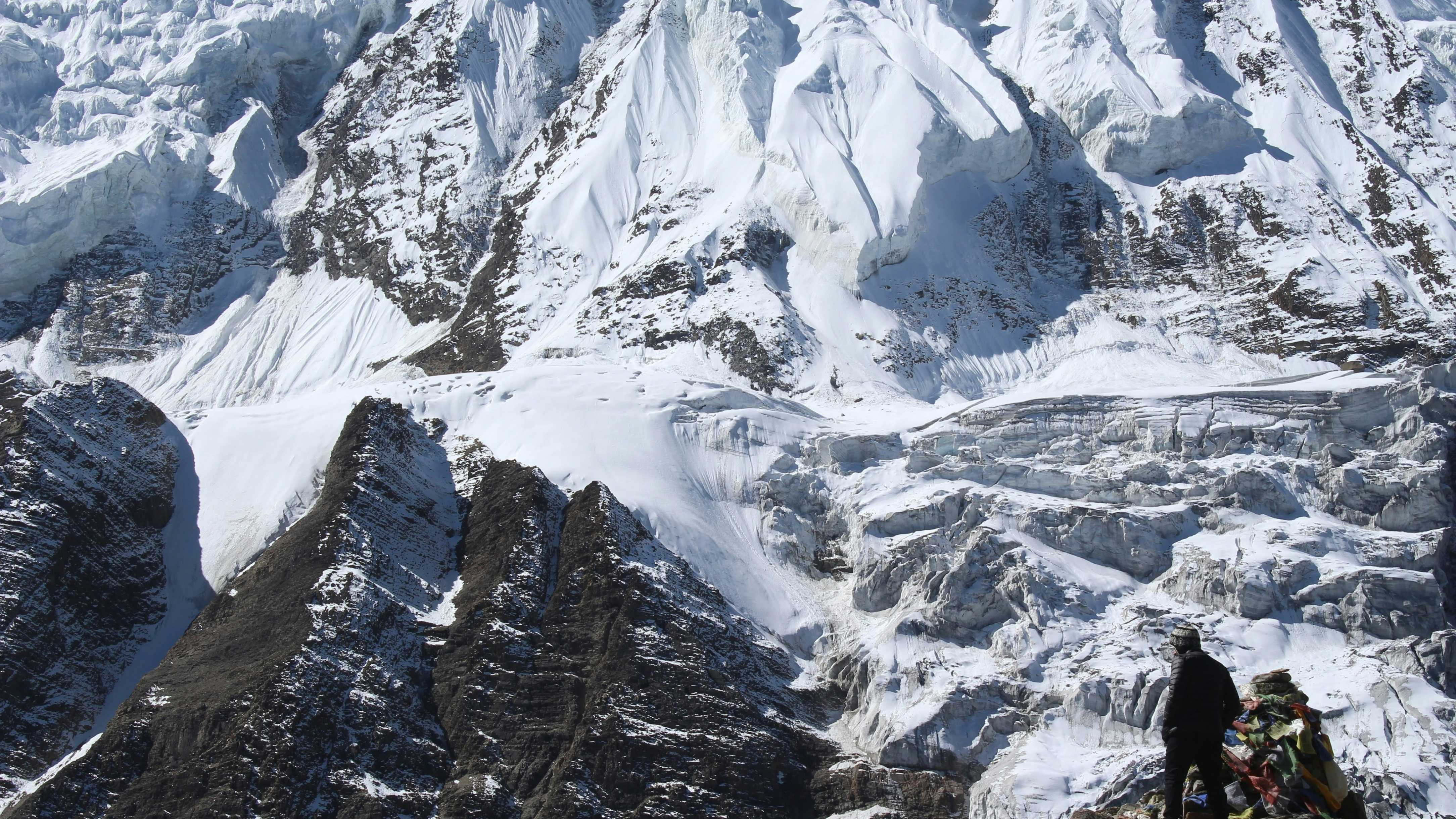
The massive weight of the snow pushes the glacier downhill. At the Khumbu Icefall, the steep incline causes the ice to break into the towers known as seracs, the biggest danger for any Mount Everest summit team.
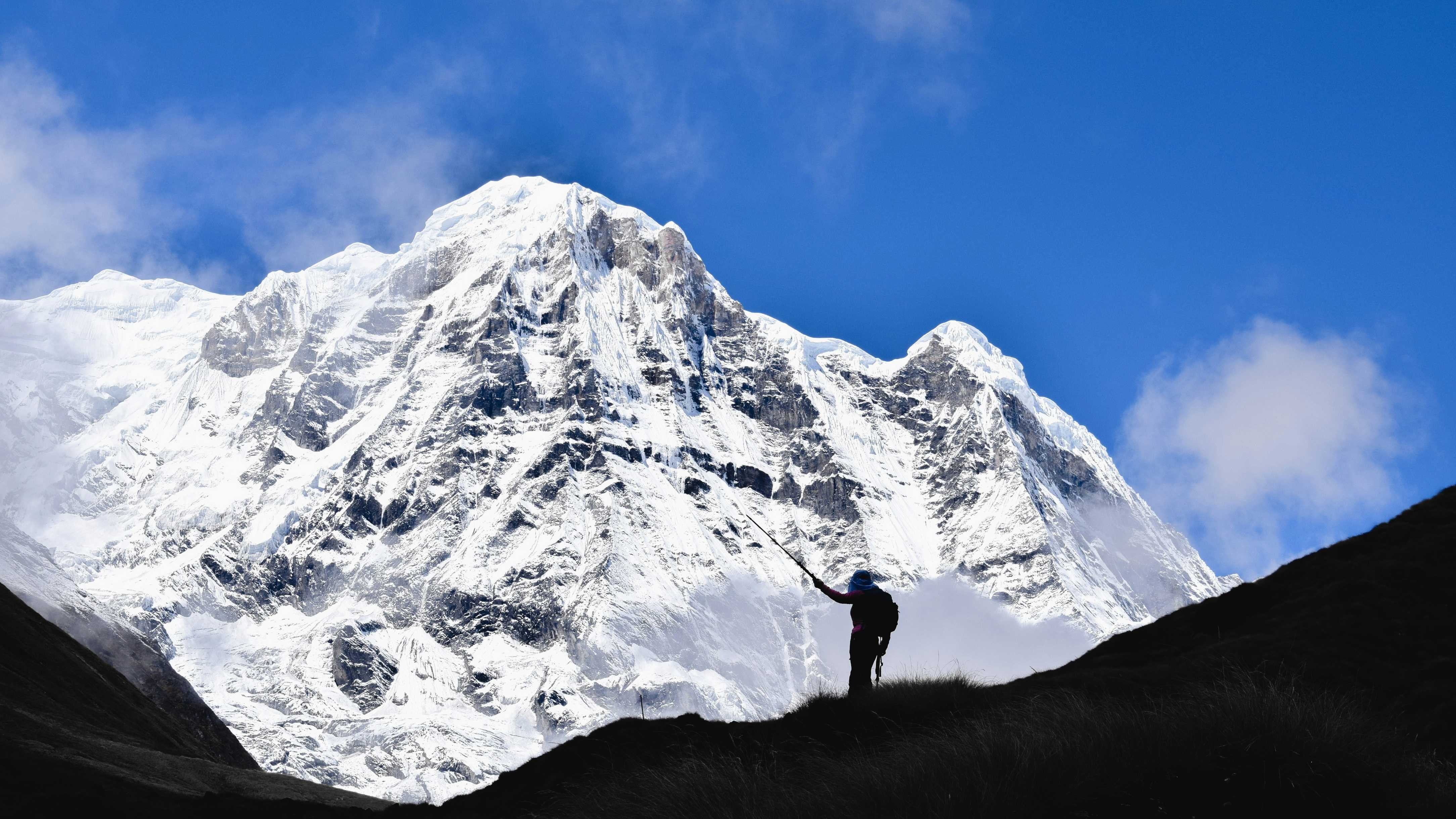
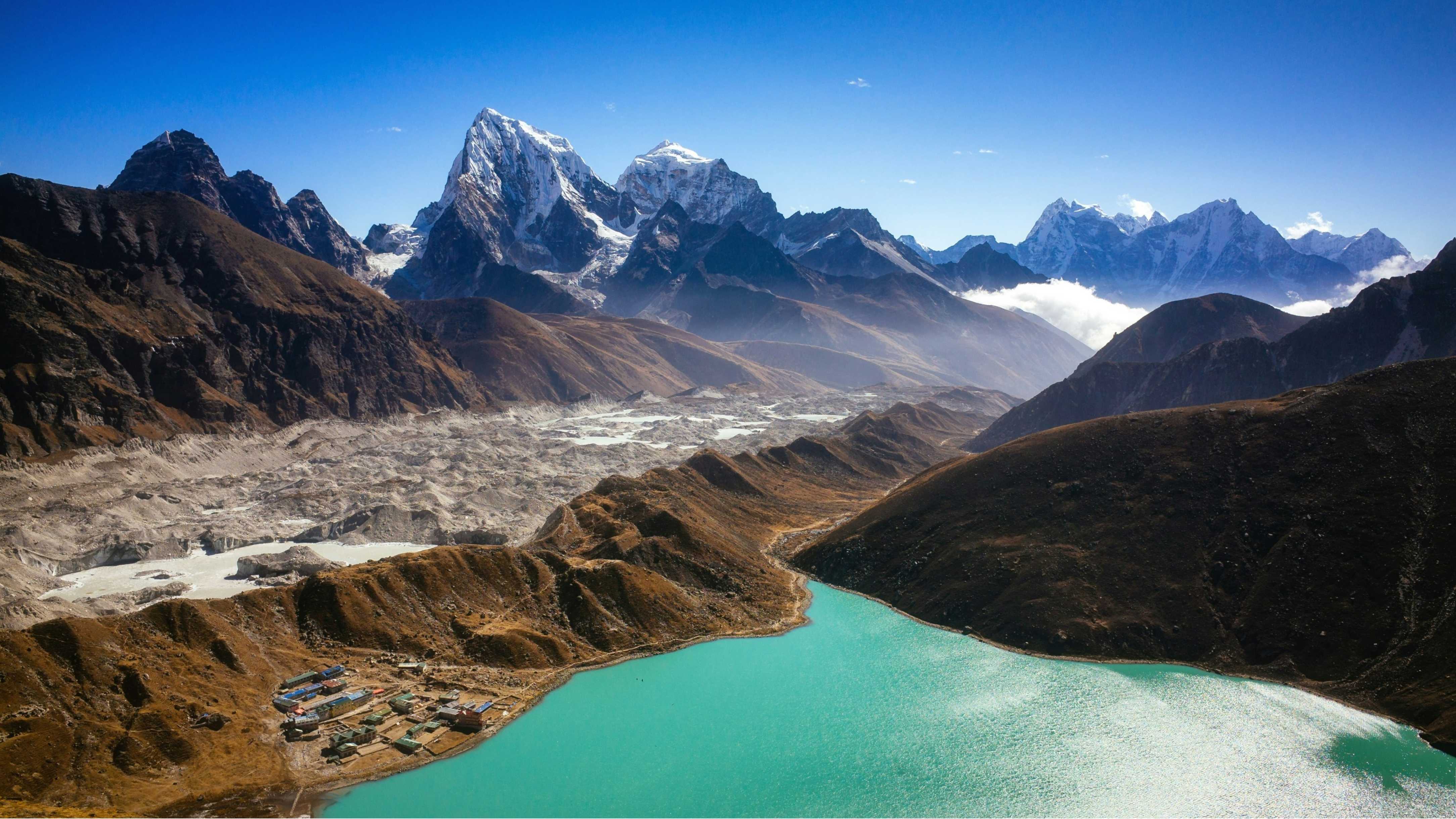
As the glacier moves, it carries tons of rock and debris. The Everest trekking trail over the moraine is constantly shifting. This is why the path to Everest Base Camp looks different for every Mount Everest expedition.
Due to global warming, the glacier is thinning. This changes the 'flow' and makes the ice more unpredictable. Monitoring these shifts is a full-time task for the Mount Everest expedition safety officers.
Trekking on a glacier is a reminder that the Himalayas are alive. Respect the movement of the ice as you navigate your way toward the Mount Everest summit.