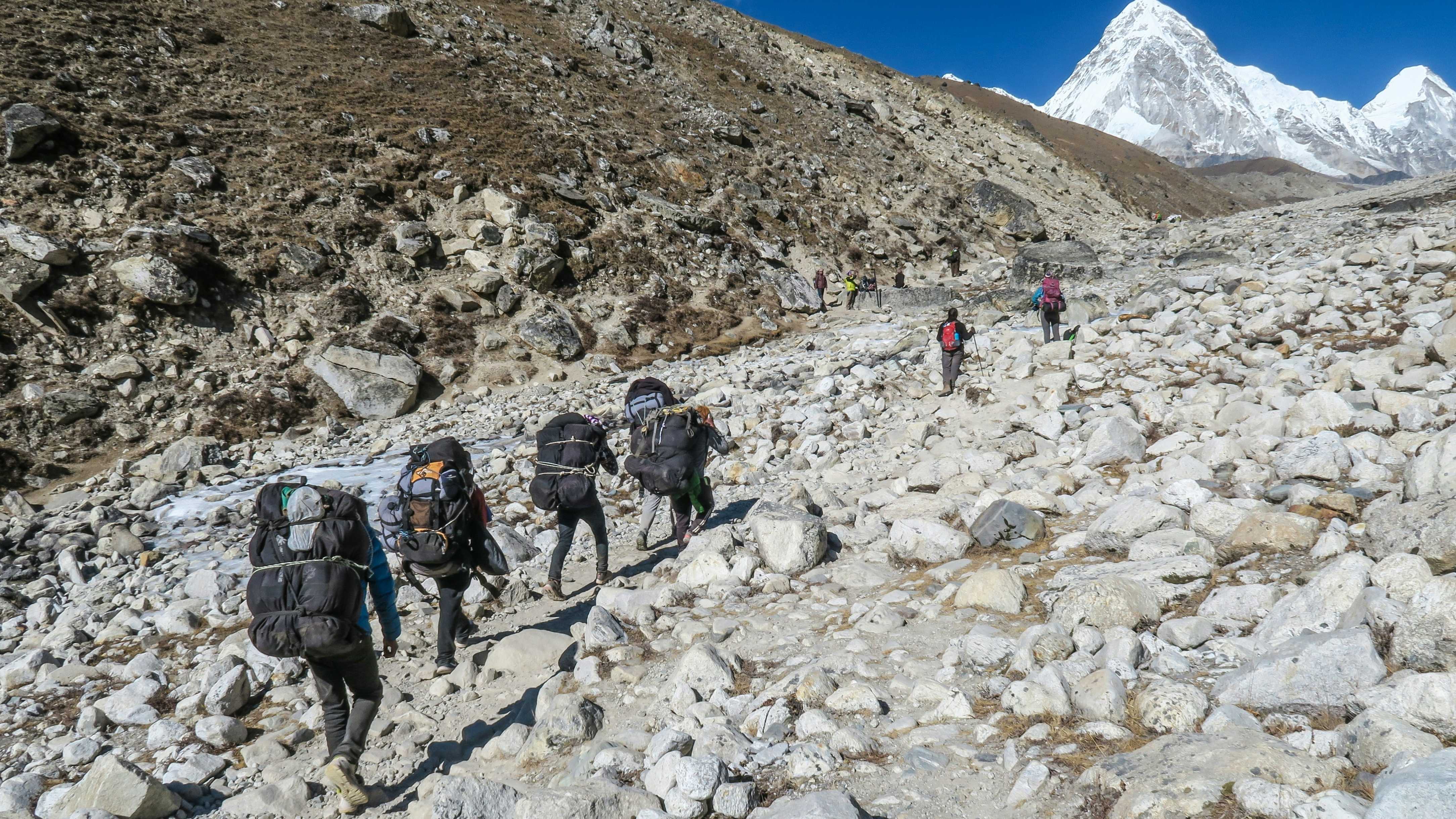
Your ice axe is your brake and your anchor on the Mount Everest summit ridge. Understanding the engineering behind the metal is vital for every Mount Everest expedition member's safety.
For a serious Mount Everest expedition, you need a T-rated (Technical) axe. It is built to handle the higher torque and stress of technical climbing, ensuring the head doesn't snap off while you are moving toward the Mount Everest summit.
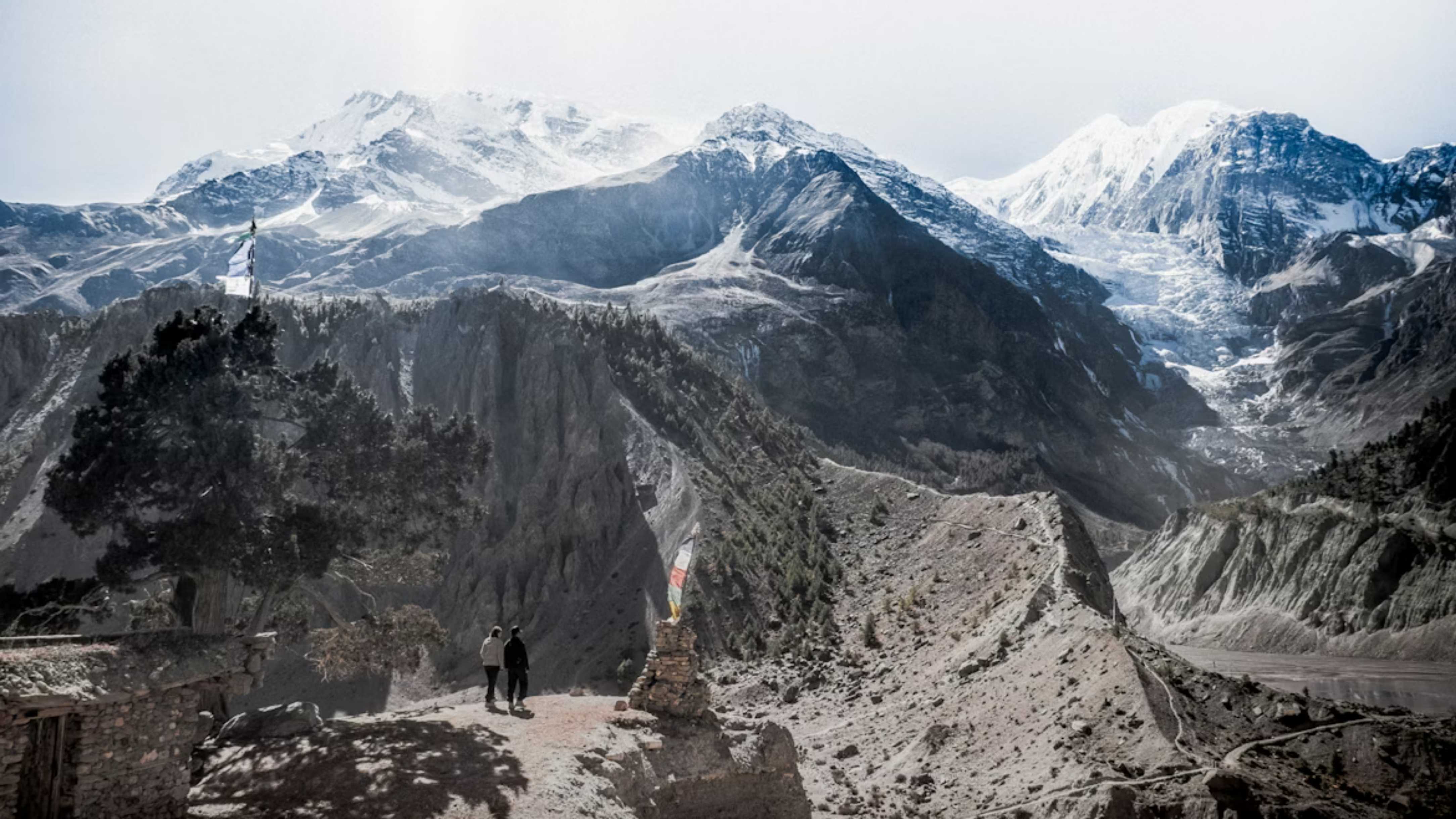
On the way to the Mount Everest summit, an adze is used for cutting steps or clearing ice for an anchor. A hammer is used for pounding in pickets. Choosing the right head for your Everest trekking peak is a tactical decision.
A curved shaft provides better clearance on steep ice walls, like the Lhotse Face. For the standard walk to Everest Base Camp, a straight shaft is more efficient for walking and self-arrest during your expedition.
Your ice axe is an extension of your body. Choose a high-quality, T-rated tool to ensure you have the best possible support on the way to the Mount Everest summit.