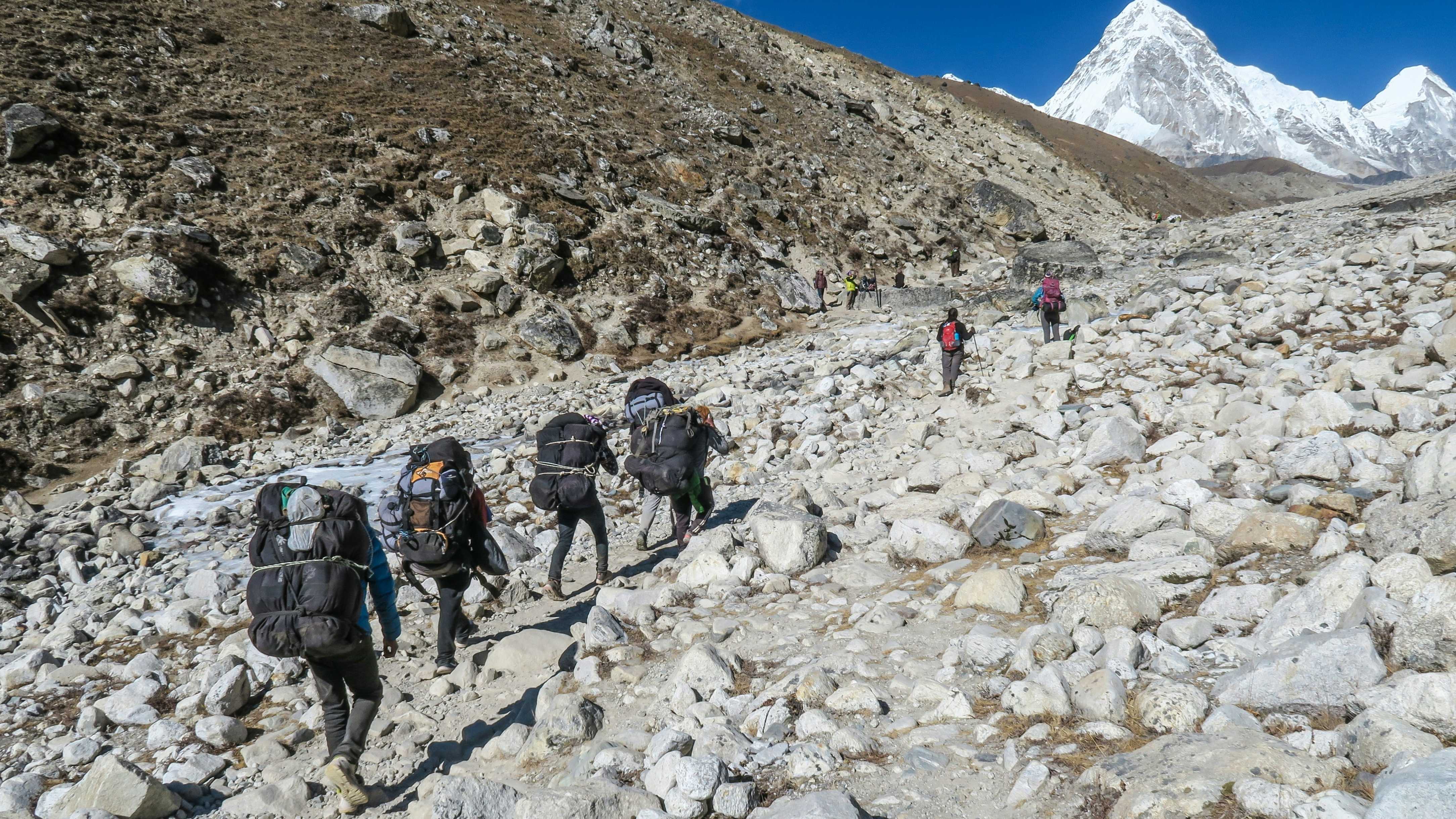
It isn't that there is 'less' oxygen at the Mount Everest summit; it's that the air pressure is too low to push the oxygen into your blood. Understanding this physics is vital for Everest trekking safety.
At the Mount Everest summit, the partial pressure of oxygen is only about 30% of sea level. This means your lungs have to work three times harder just to maintain basic functions during a Mount Everest expedition.
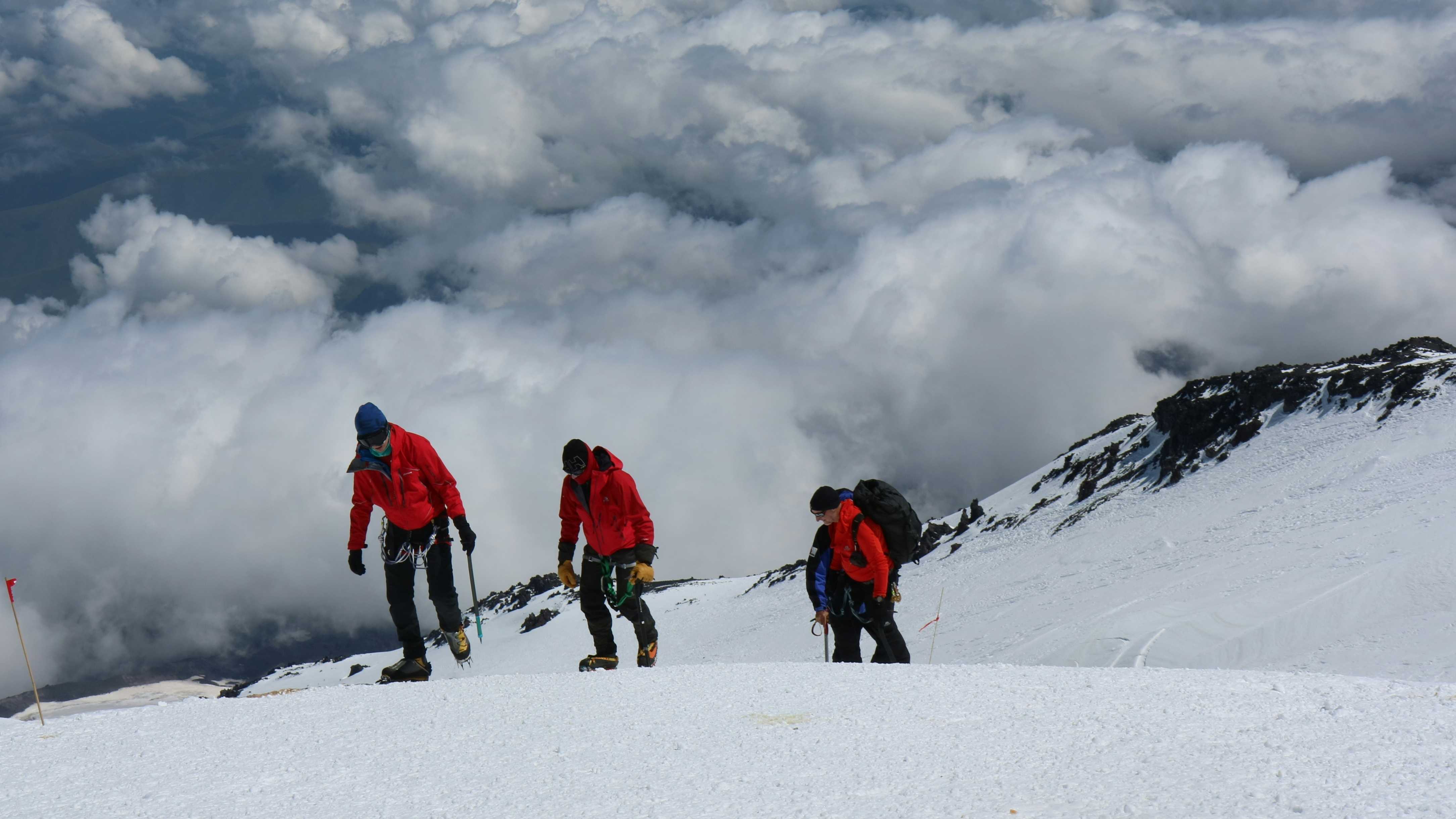
Low pressure makes it harder for oxygen to cross the membrane in your lungs. This is why even a small increase in physical effort on the Mount Everest summit ridge can leave you gasping for air.
While some try to use pressurized systems, the weight is too high for a Mount Everest expedition. Instead, we use supplemental oxygen to increase the percentage of oxygen in the air you breathe.
Physics sets the limits, but human spirit is what pushes past them. Understanding the science of the Mount Everest summit makes the achievement even more incredible.