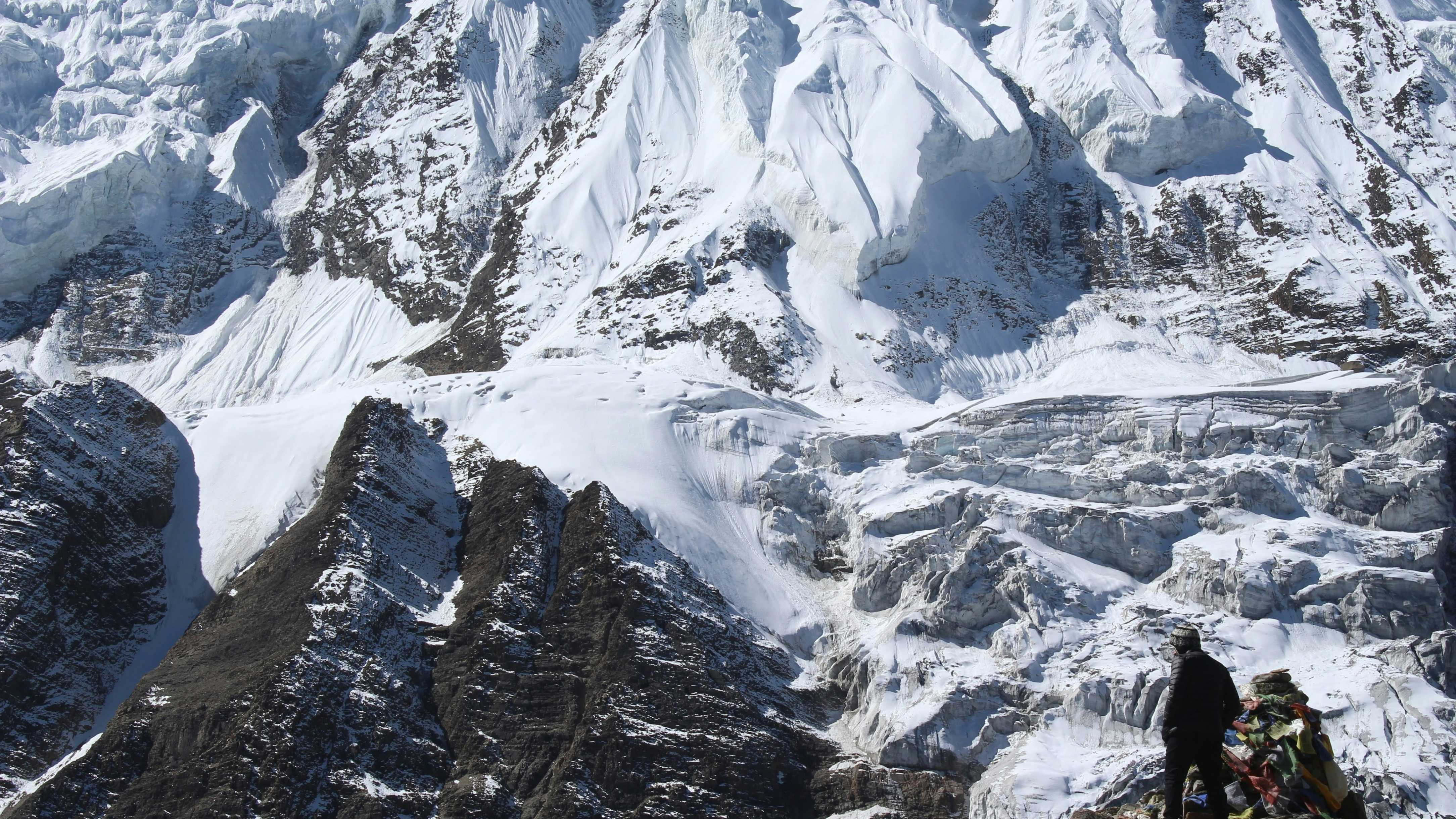
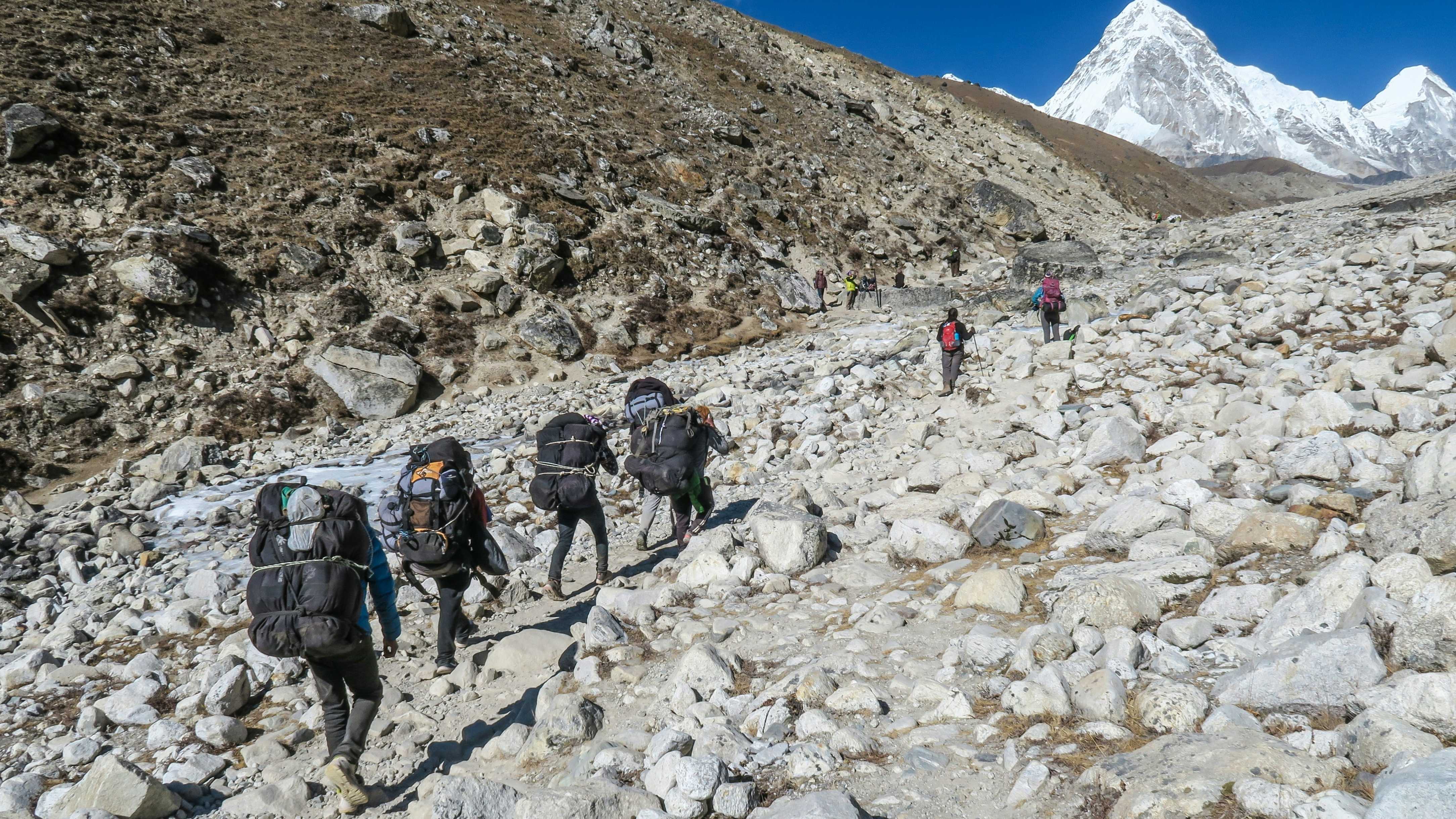
A tiny leak in your oxygen system during a Mount Everest expedition can go unnoticed until it's too late. Mastering the 'Hiss Test' is a life-saving skill for anyone attempting the Mount Everest summit.
The rubber O-ring is the most common point of failure. At the Mount Everest summit, the cold makes the rubber brittle. Mount Everest expedition members are trained to carry spares and check the seal at every camp.
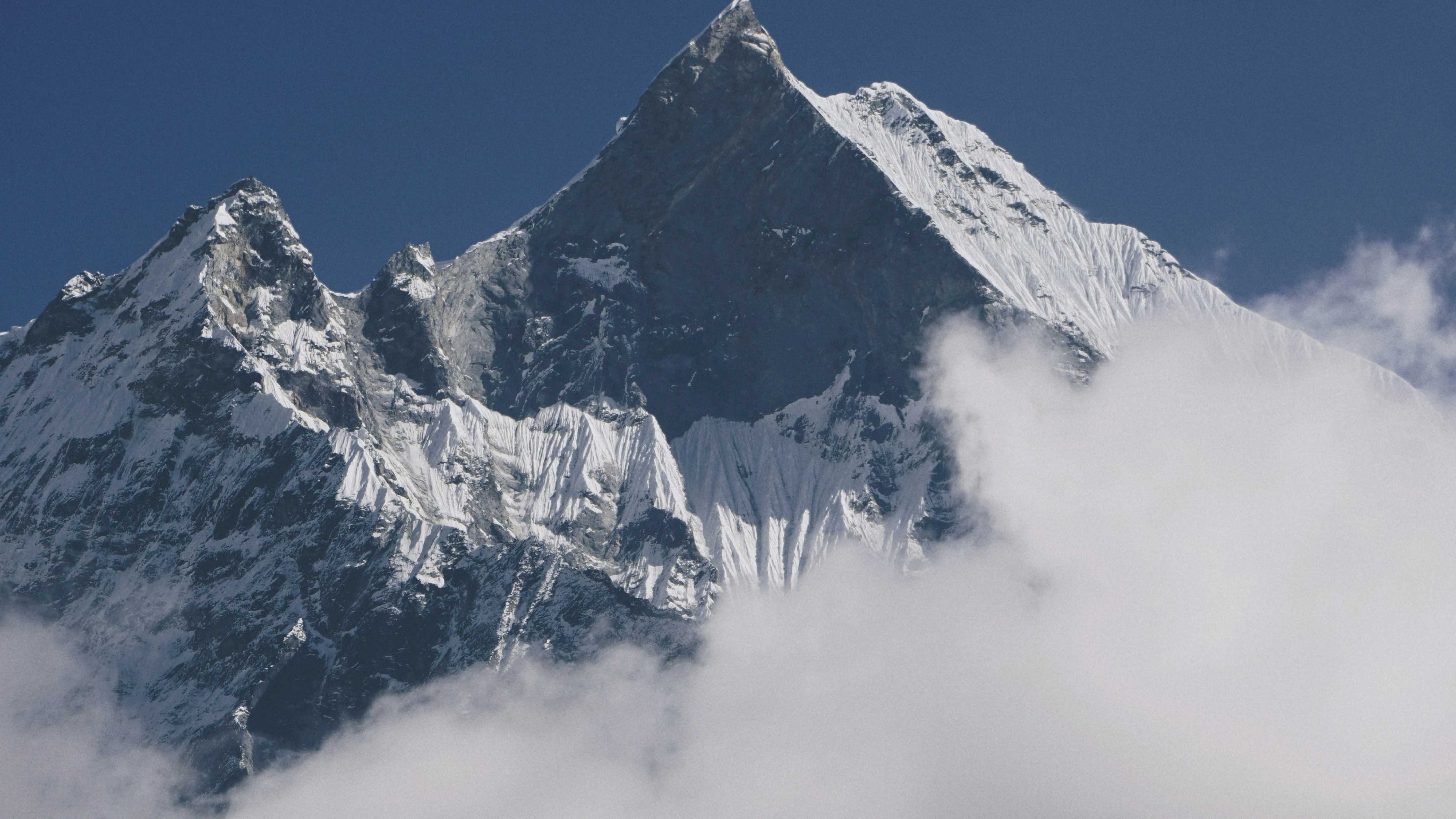
In a storm on the Mount Everest summit ridge, you cannot hear a leak. Climbers must use their fingers to feel for cold gas escaping from the regulator, a tactile safety check during the expedition.
A slow leak at Camp 4 means you won't have enough oxygen to reach the Mount Everest summit. Constant vigilance over your cache is what ensures you have the 'air' needed for the final Everest trekking push.
On Everest, there are no small details. A perfectly sealed oxygen system is the foundation of a successful Mount Everest summit bid.