One of the most dangerous technical failures on a Mount Everest expedition is the freezing of the oxygen mask valve. Understanding the physics of moisture is key to surviving the final push to the Mount Everest summit.
Your breath is 100% humid. In the -40°C air of the Mount Everest summit, that moisture turns to ice instantly. If the intake valve freezes shut, your oxygen supply is cut off during your expedition.
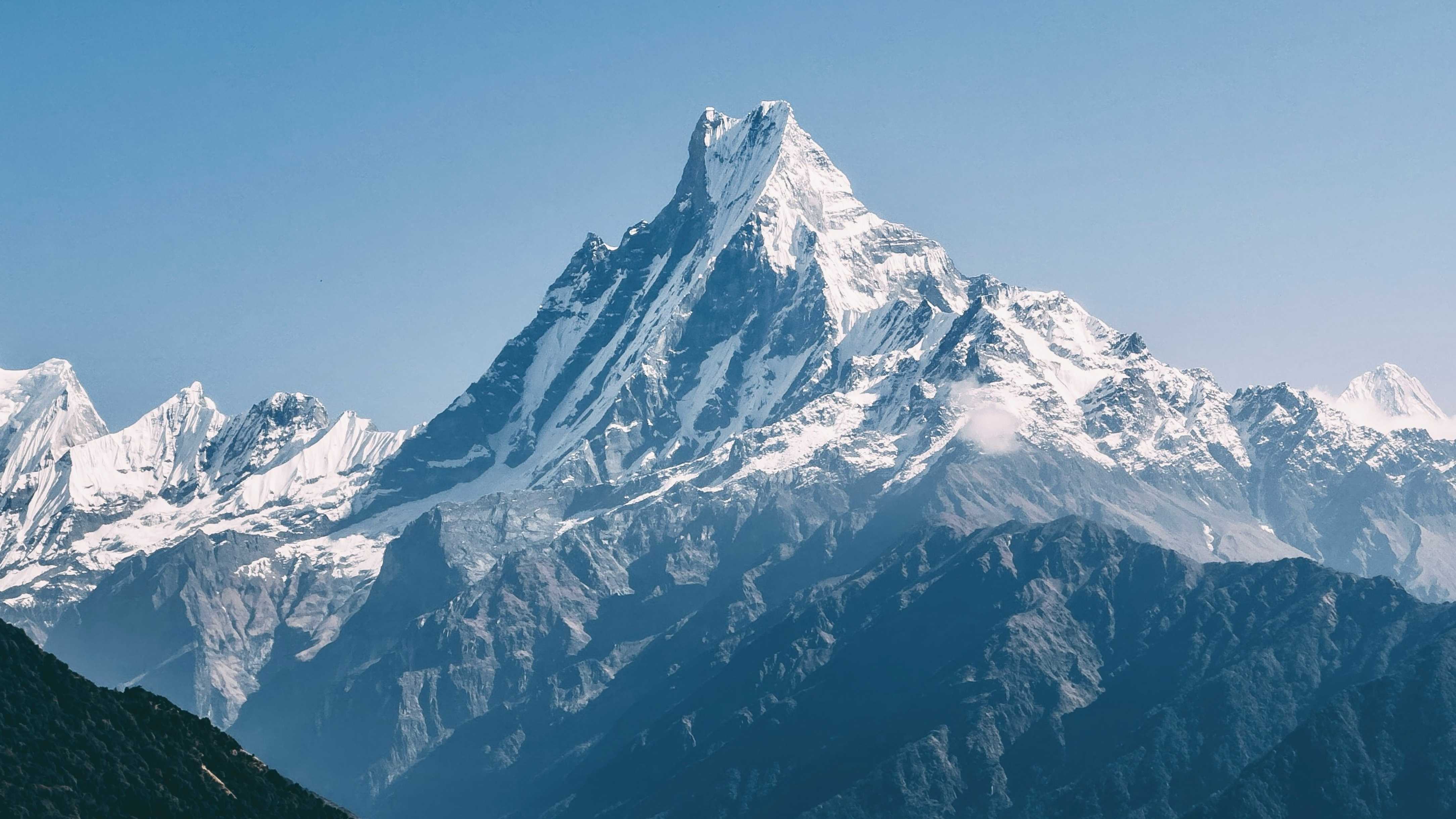
Mount Everest summit climbers must constantly 'tap' or squeeze their masks to break the ice. It is a rhythmic safety check that becomes second nature during the long hours of Everest trekking toward the top.
High-end masks use the warmth of your face to keep the valves clear. However, in high winds, that heat is stripped away, making mask management the most critical task of the Mount Everest expedition push.
The smallest block of ice can have the biggest consequence. Master your mask maintenance to ensure your Mount Everest expedition reaches the summit safely.