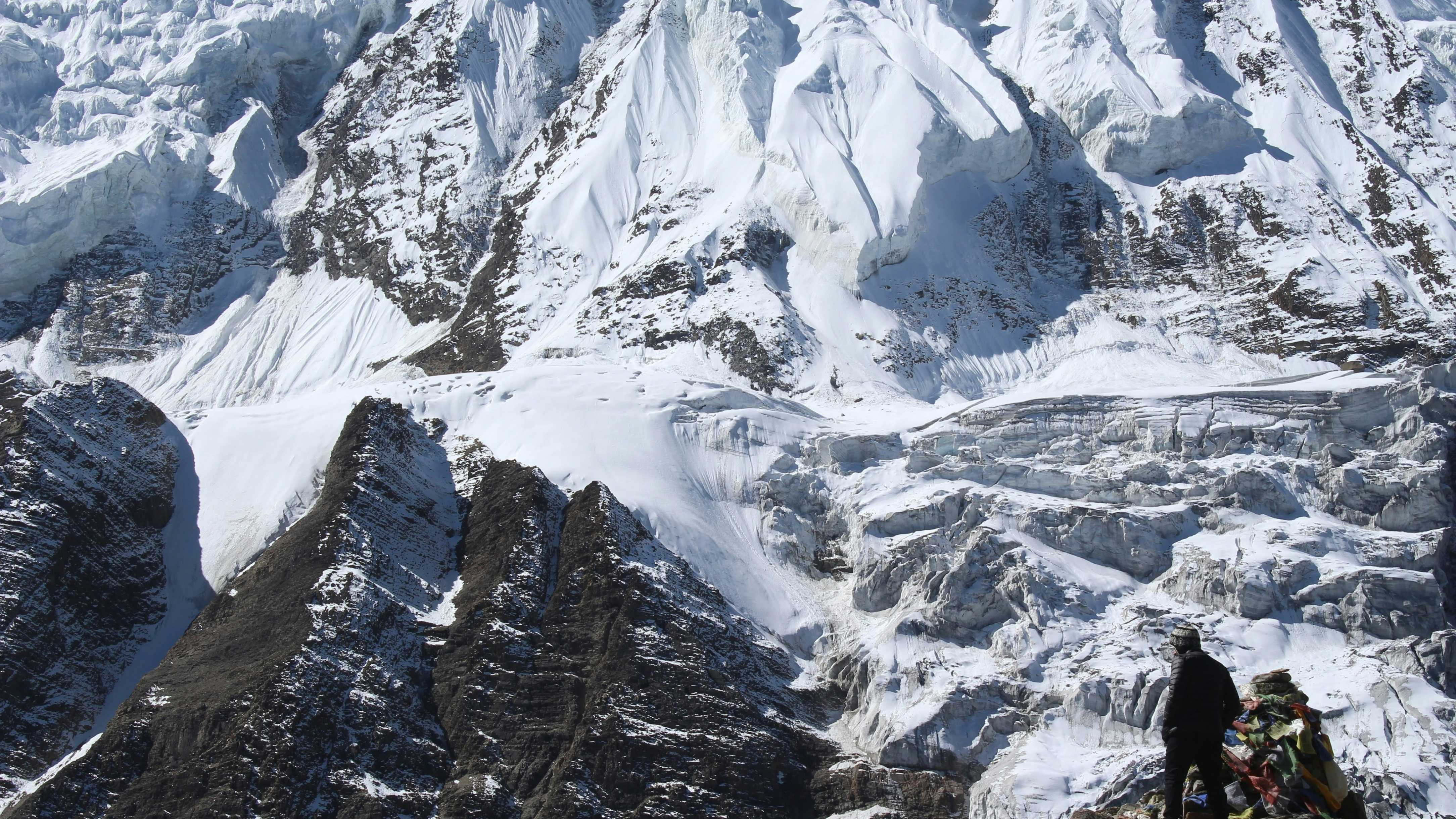
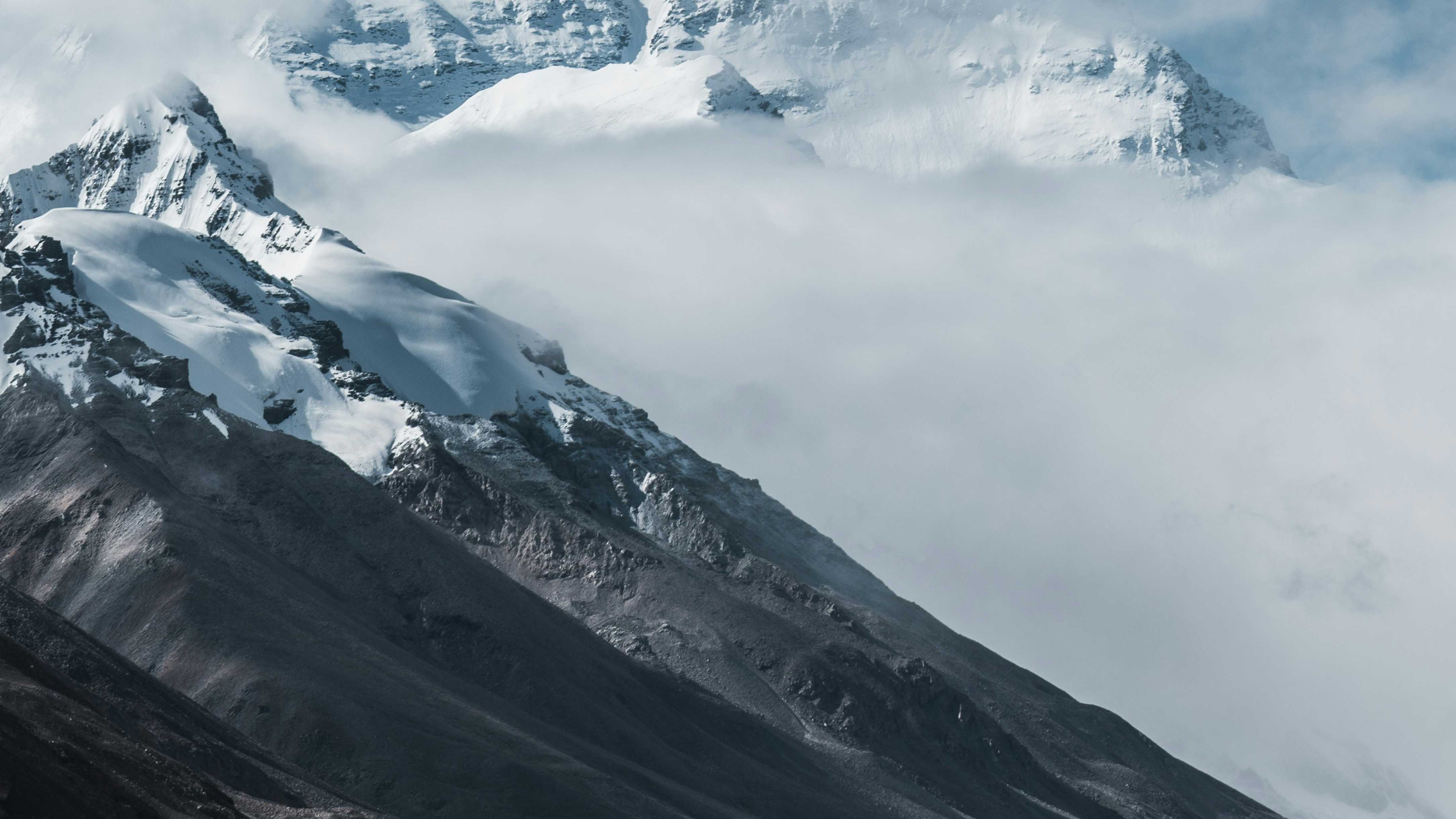
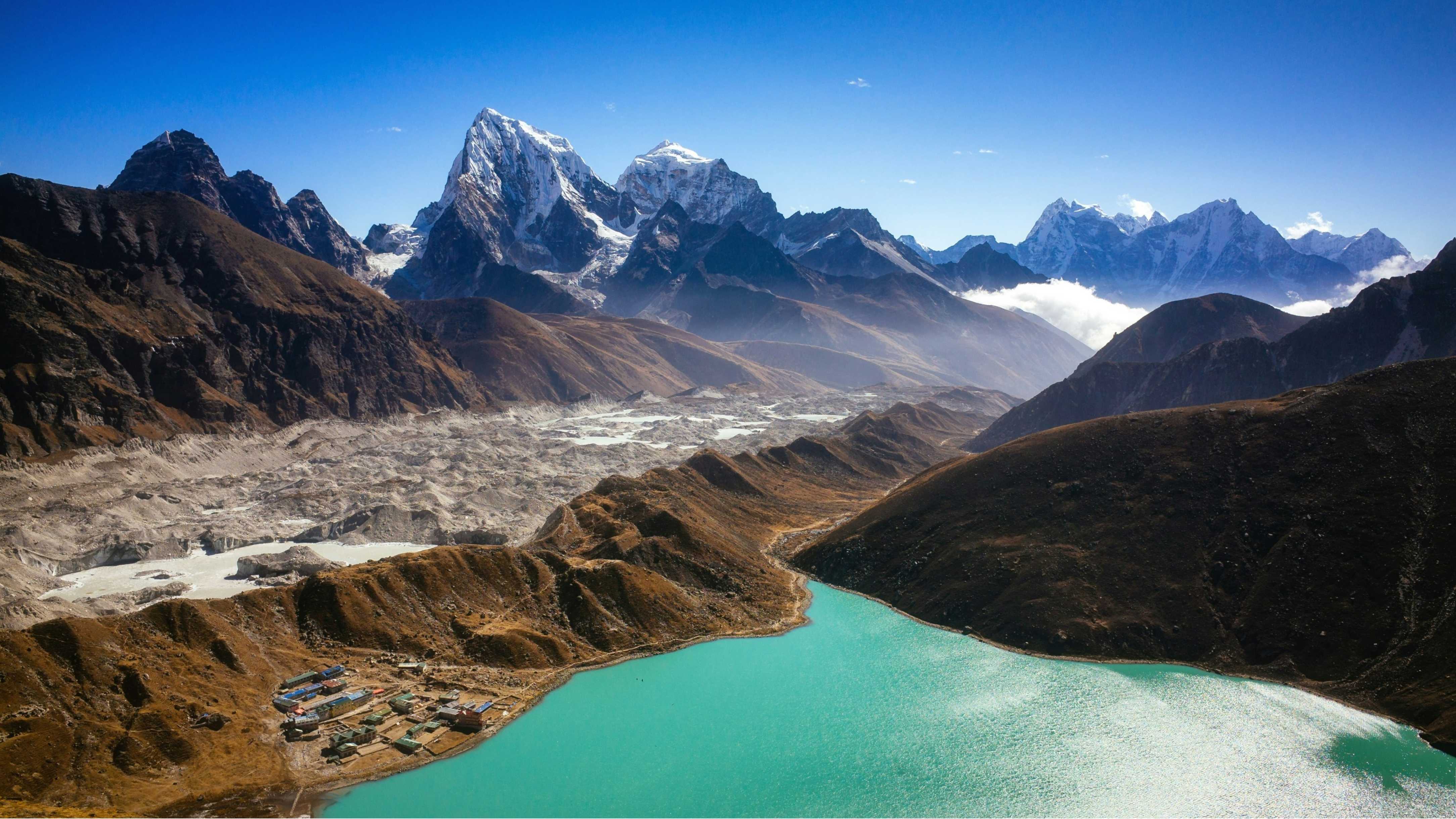
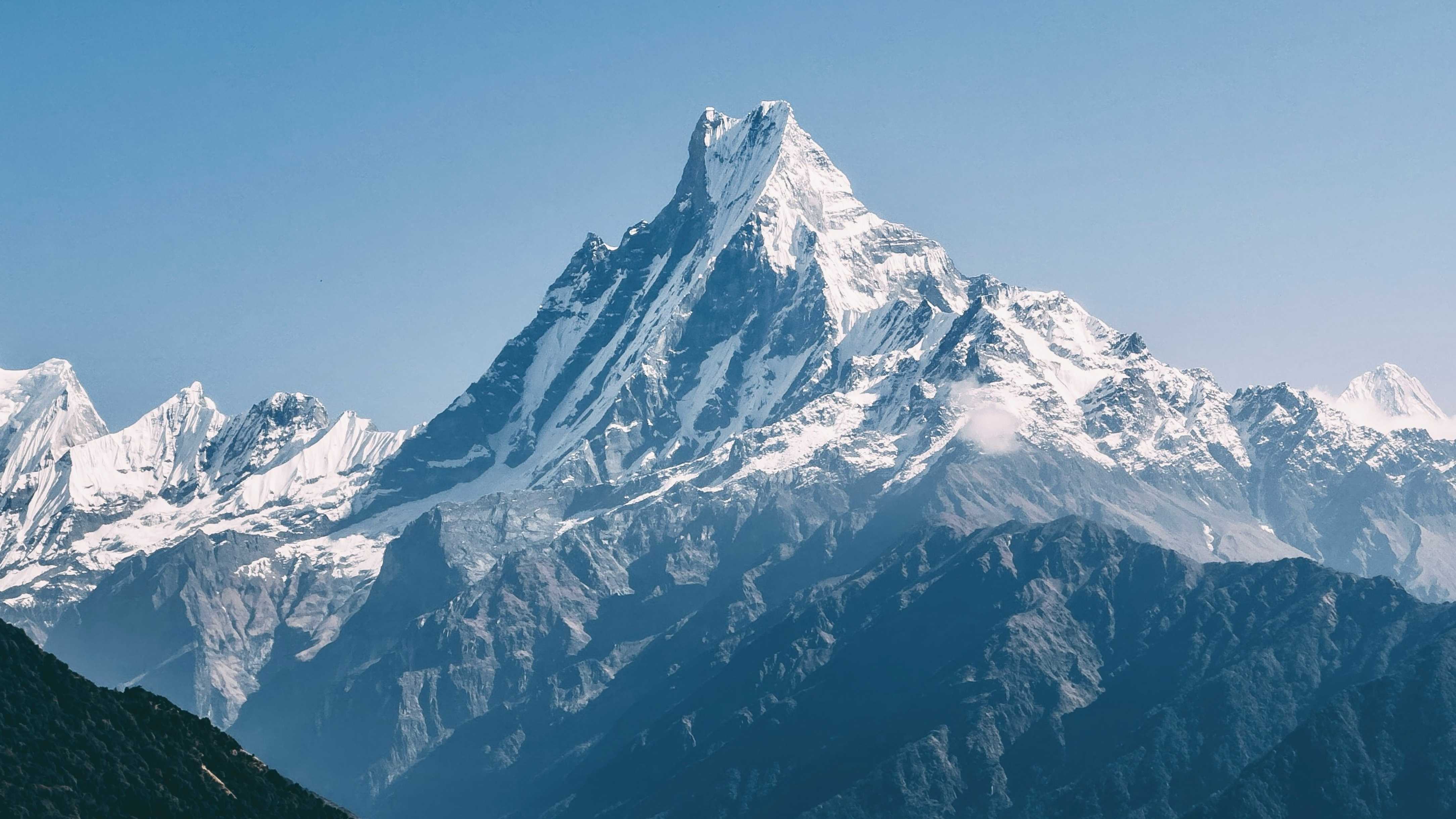
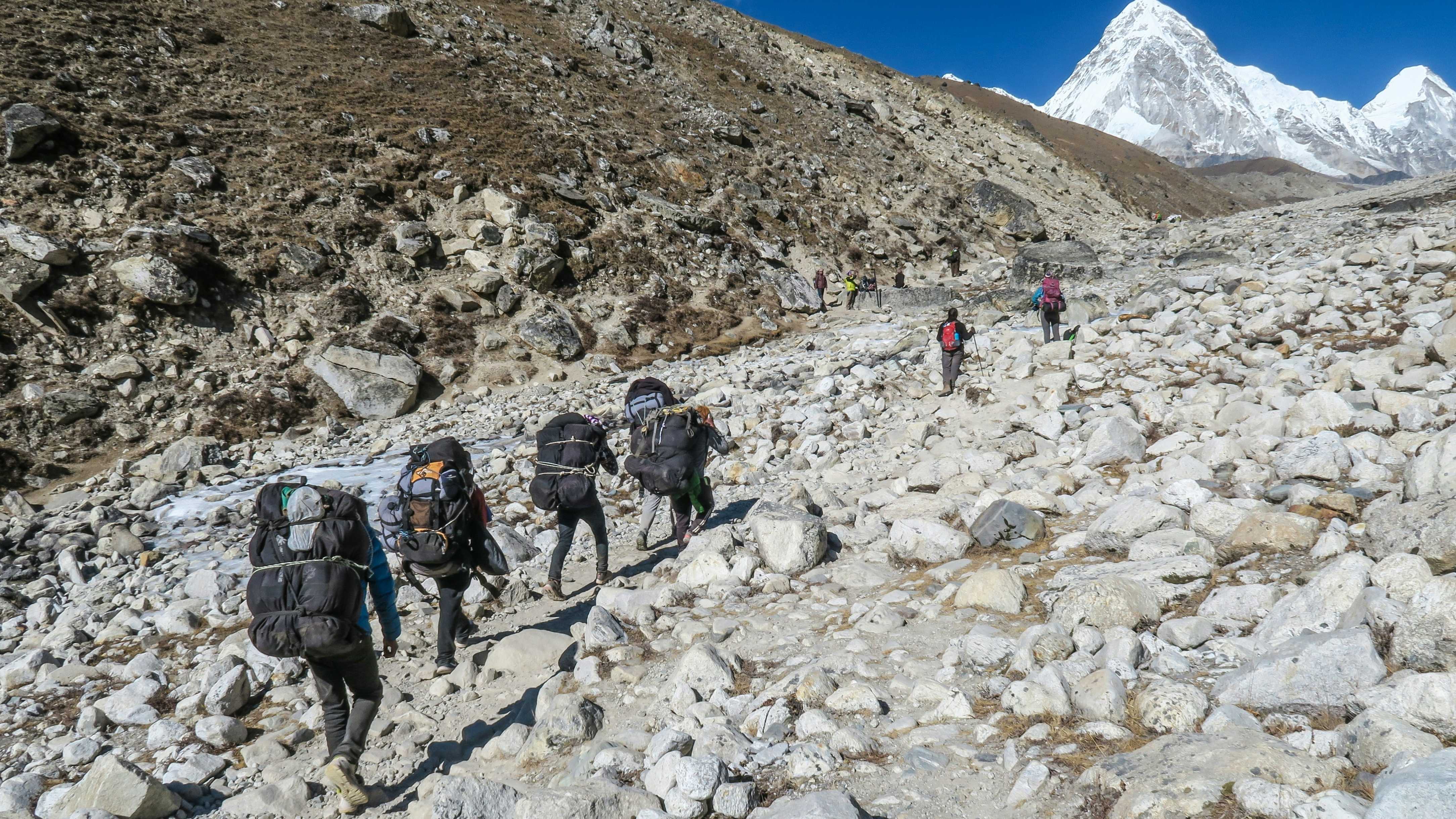
The snow near the Mount Everest summit is unlike any other. In the extreme cold and low pressure, snow crystals take on unique shapes that dictate the safety of any Mount Everest expedition.
Constant wind and sublimation create a brittle 'wind crust' near the Mount Everest summit ridge. This layer can be unstable for crampons, a major technical hazard for Mount Everest expedition climbers during the push.
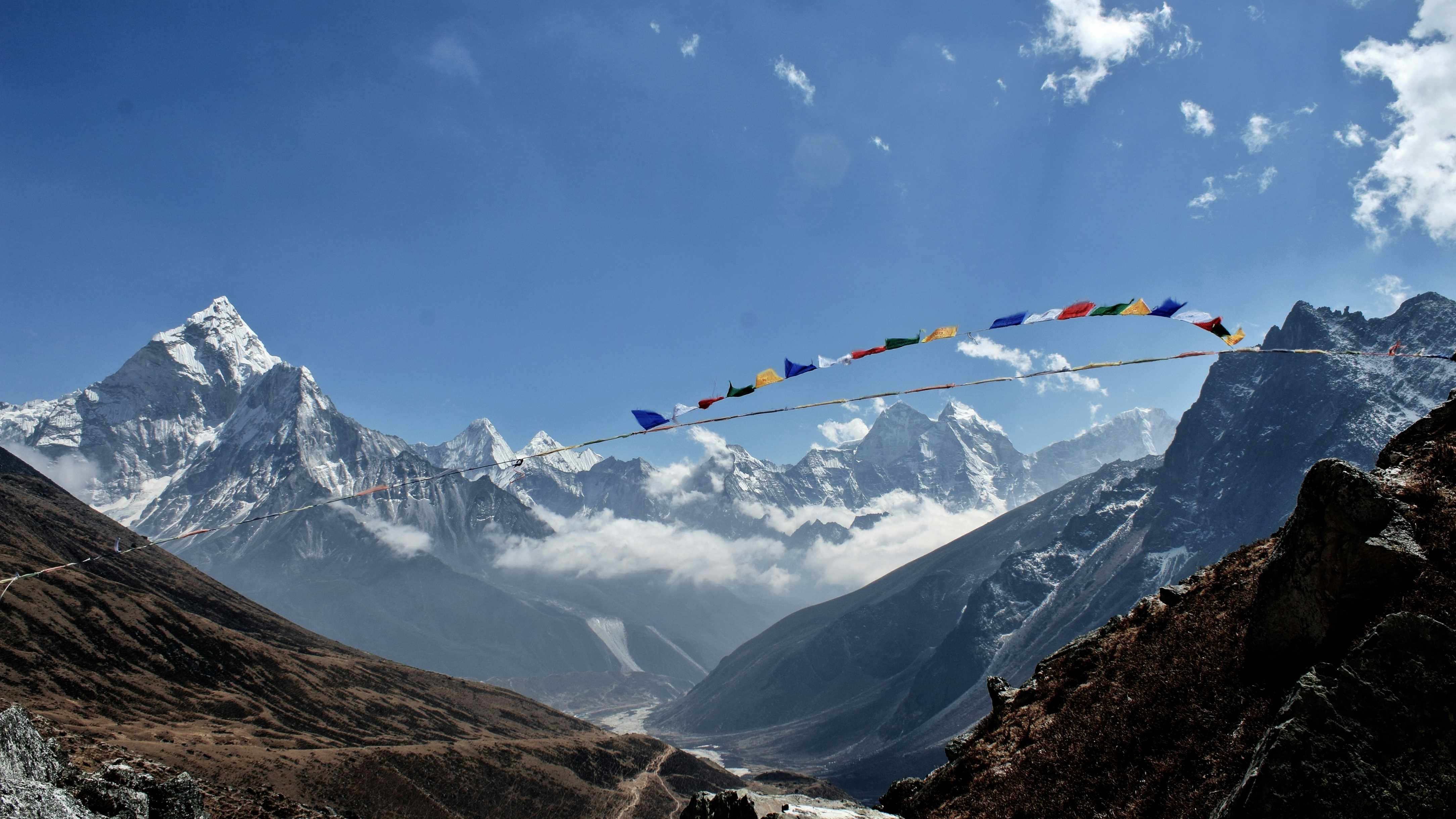
Wind carves the snow into sharp, frozen waves called Sastrugi. Navigating these jagged structures is part of the challenge of Everest trekking in the higher camps. It requires precise footwork and strong ankles.
Colder snow provides more friction. Mount Everest summit teams often find that their crampons 'bite' better in the middle of the night than in the afternoon, which is why the Mount Everest summit push starts at midnight.
Snow is not just a surface; it's a dynamic structure. Understanding the physics of the crystals under your feet is essential for safe and efficient travel toward the Mount Everest summit.