It is a scientific fact that solar panels are more efficient in cold environments. This 'supercooled' effect is a major logistical advantage for Mount Everest expedition members and Everest trekking groups heading toward the Mount Everest summit.
As the temperature drops at Everest Base Camp, the voltage of a solar cell increases. This means you can charge your Mount Everest summit camera faster in the freezing morning sun than you could in a hot desert during an expedition.
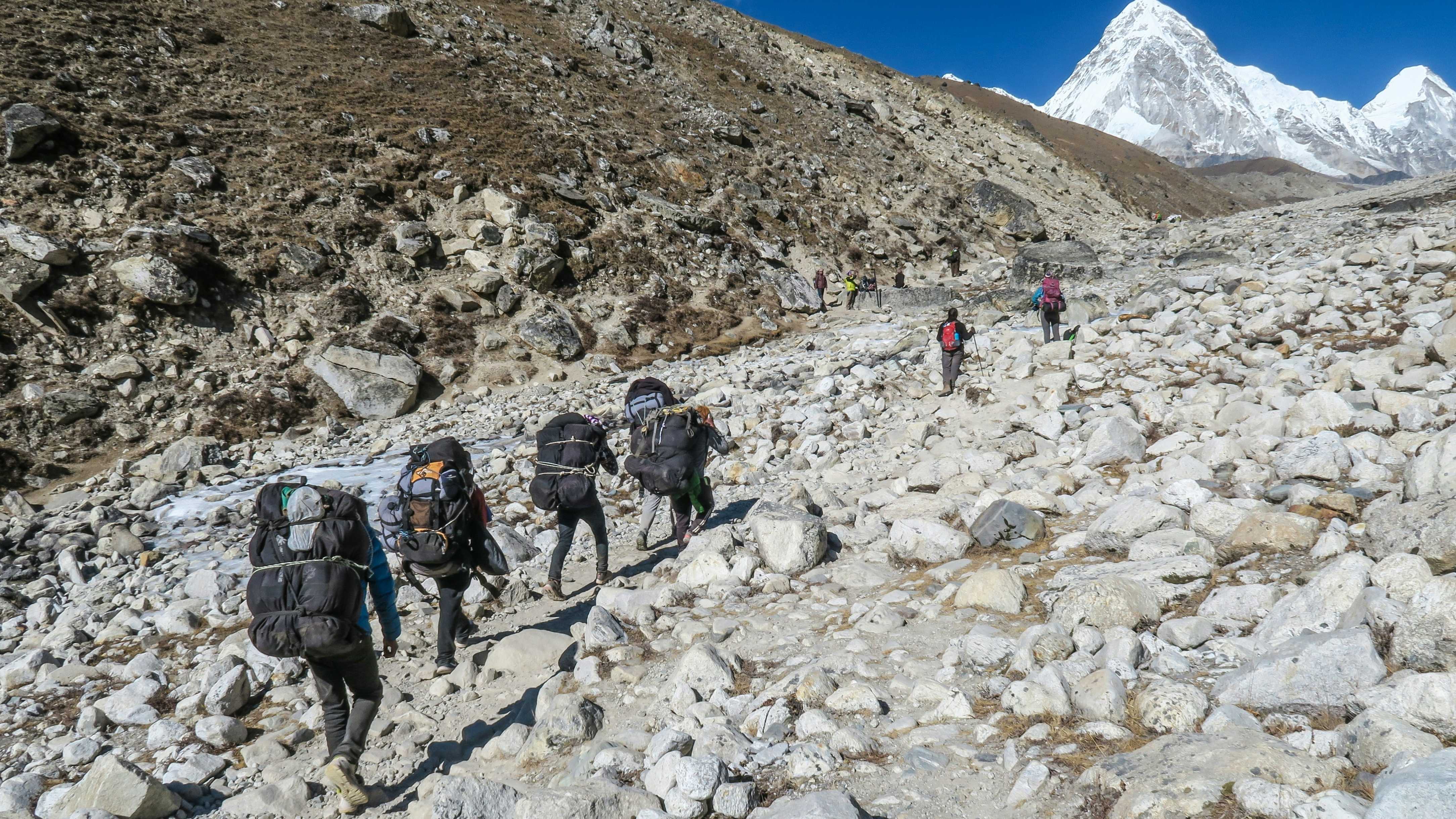
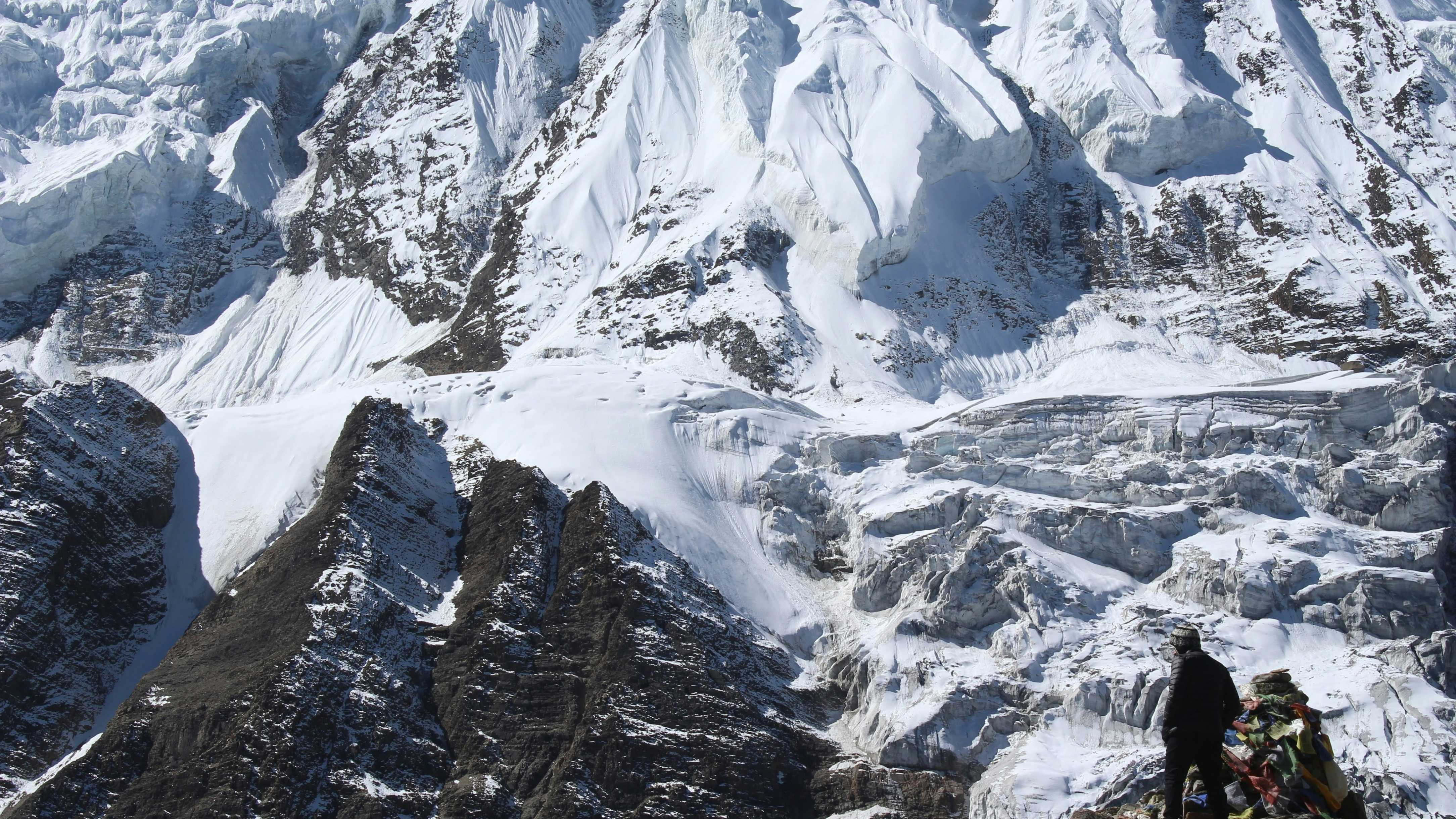
The white glaciers reflect sunlight back onto your panels from all angles. This 'albedo effect' creates a high-irradiance environment that is perfect for maintaining the tech needed for a Mount Everest expedition and Everest trekking.
While the panels love the cold, the batteries hate it. You must charge your power bank inside an insulated bag or jacket to ensure the energy isn't lost to internal resistance during the Mount Everest summit push.
Use the physics of the Himalayas to your advantage. Solar is the most reliable and sustainable energy source for any modern Mount Everest expedition and journey to the summit.