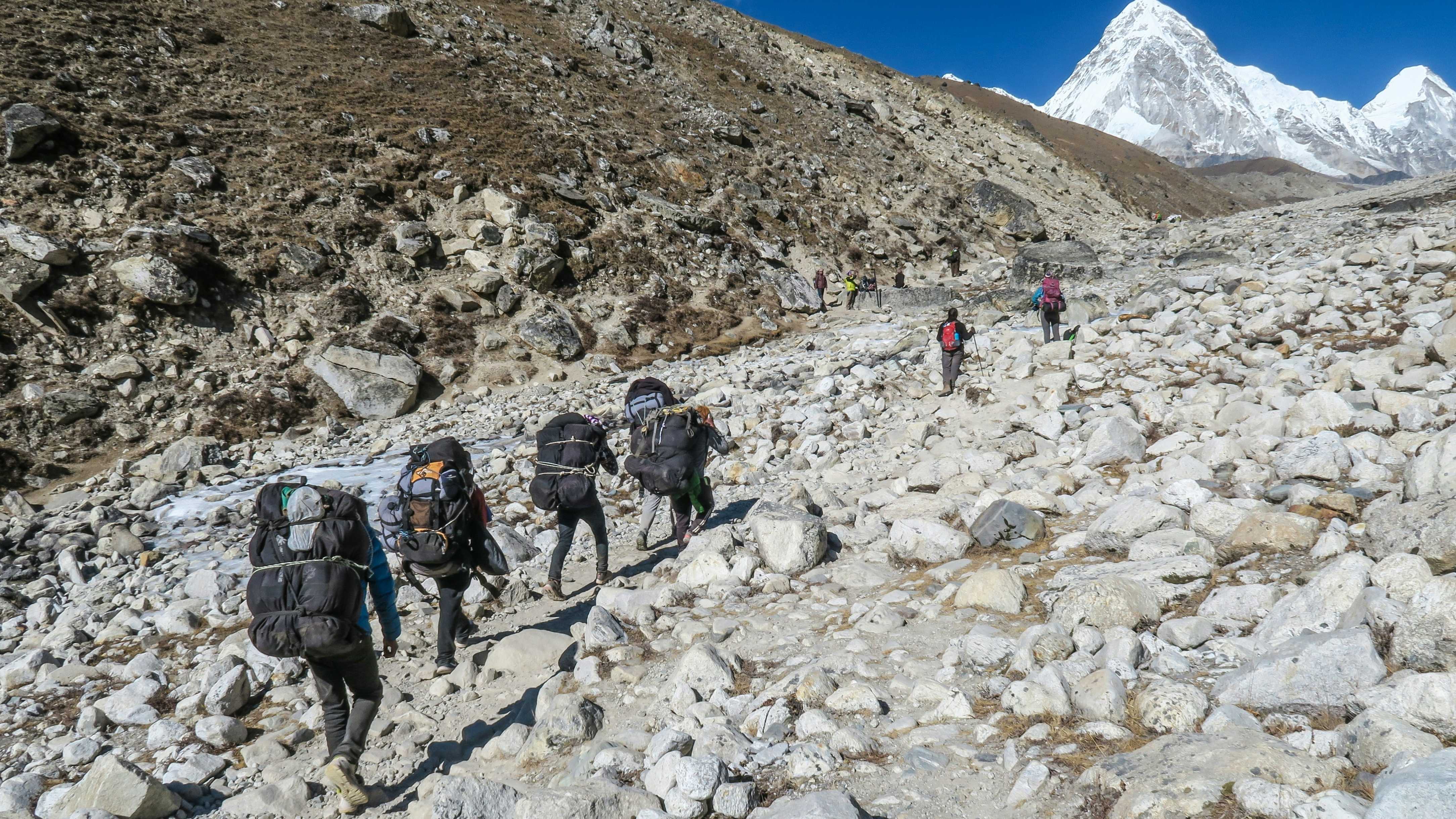
It seems counter-intuitive, but a solar panel works better in the freezing air of Everest Base Camp than in a hot desert. This scientific quirk is a huge advantage for keeping tech alive during a Mount Everest expedition.
Solar cells are semi-conductors. As the temperature drops, the voltage increases, making the panel much more efficient. This is why you can charge your Mount Everest summit camera so quickly during a sunny Everest trekking rest day.
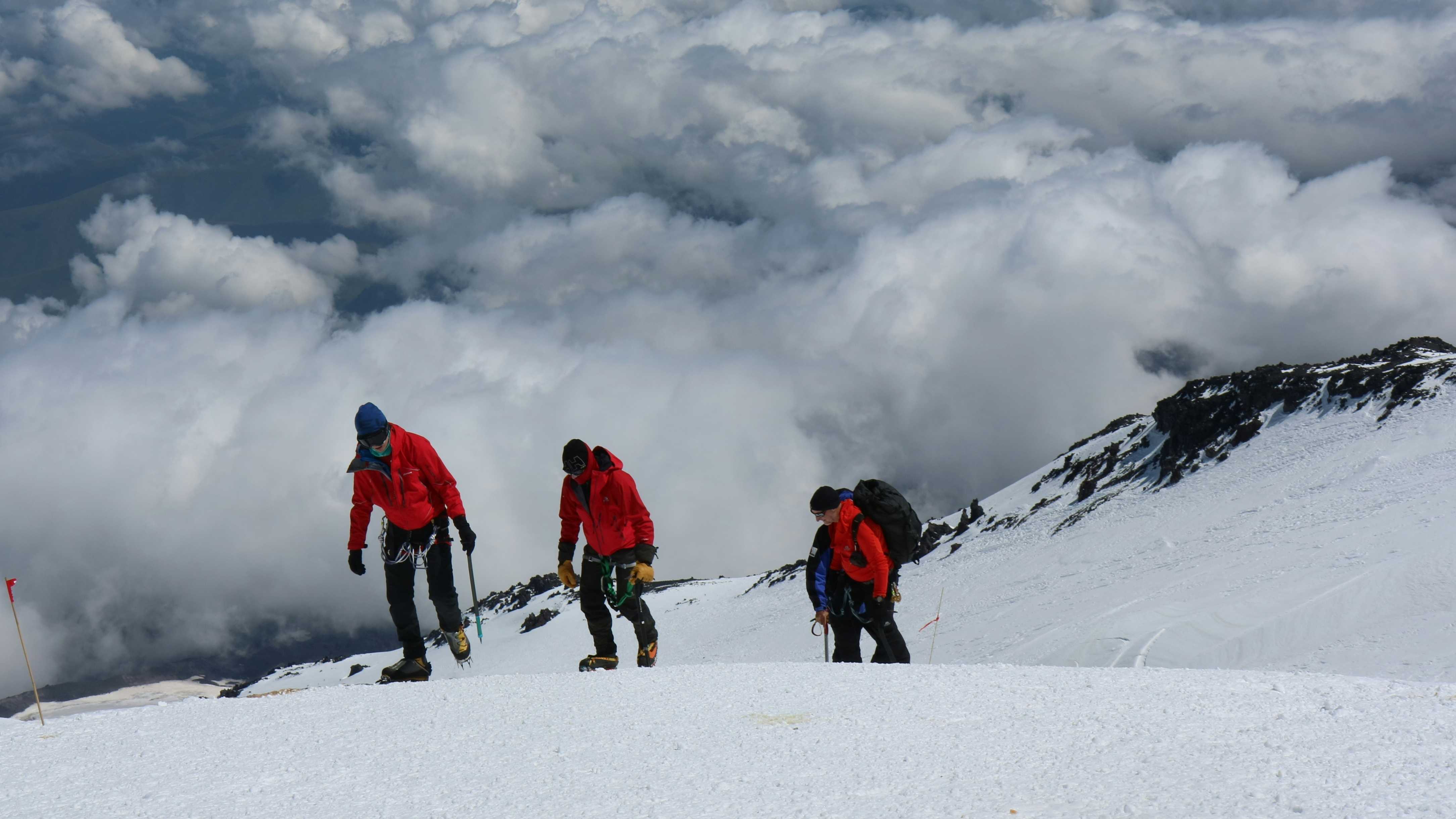
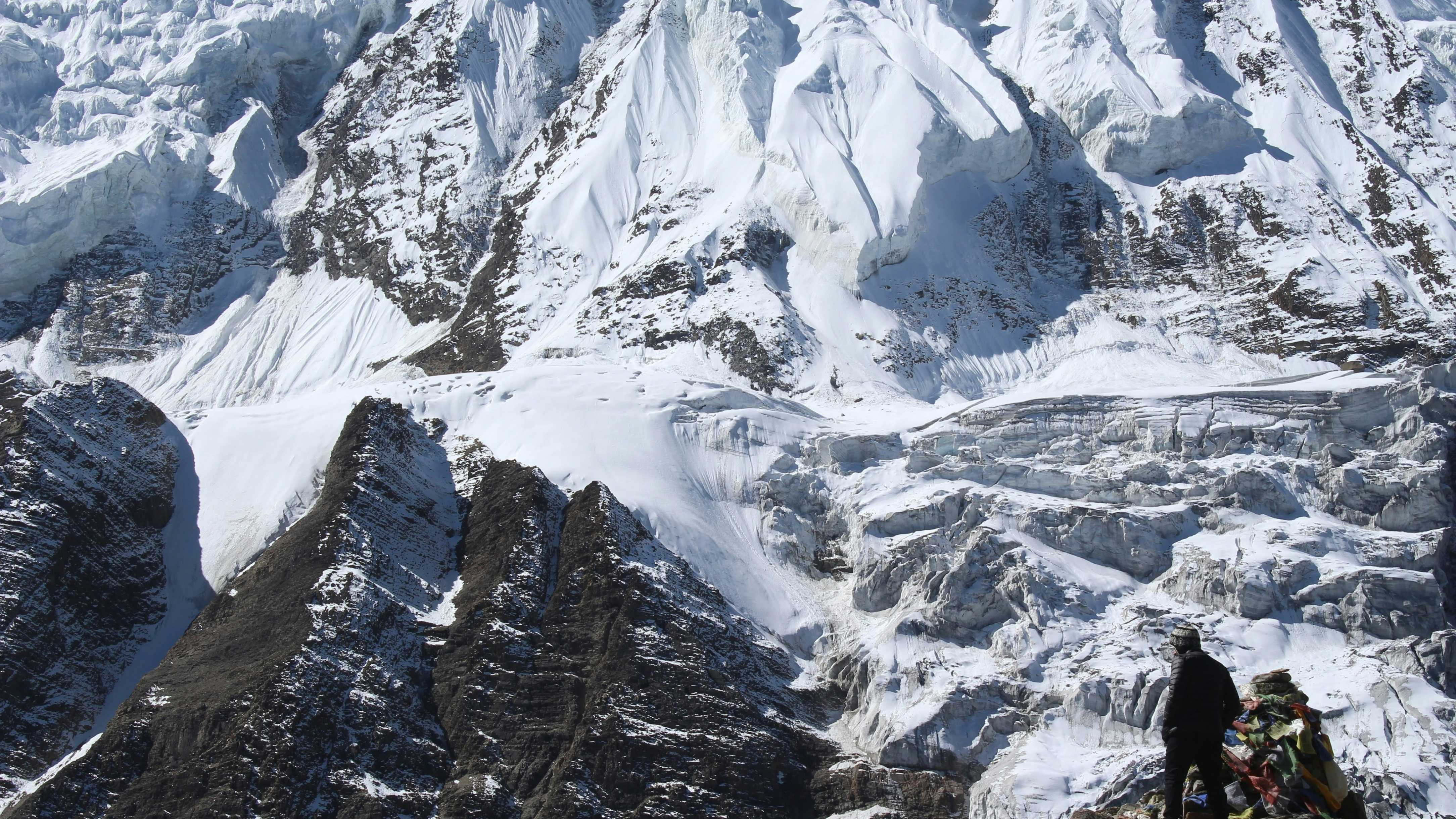
The white snow reflects sunlight back onto the panel from below. This 'extra' light provides a massive boost to energy production, allowing Mount Everest expedition members to stay connected even at high altitude.
While the panels love the cold, the batteries hate it. You must charge your power bank inside your tent or jacket to ensure the energy isn't lost to the freezing air of the Mount Everest summit region.
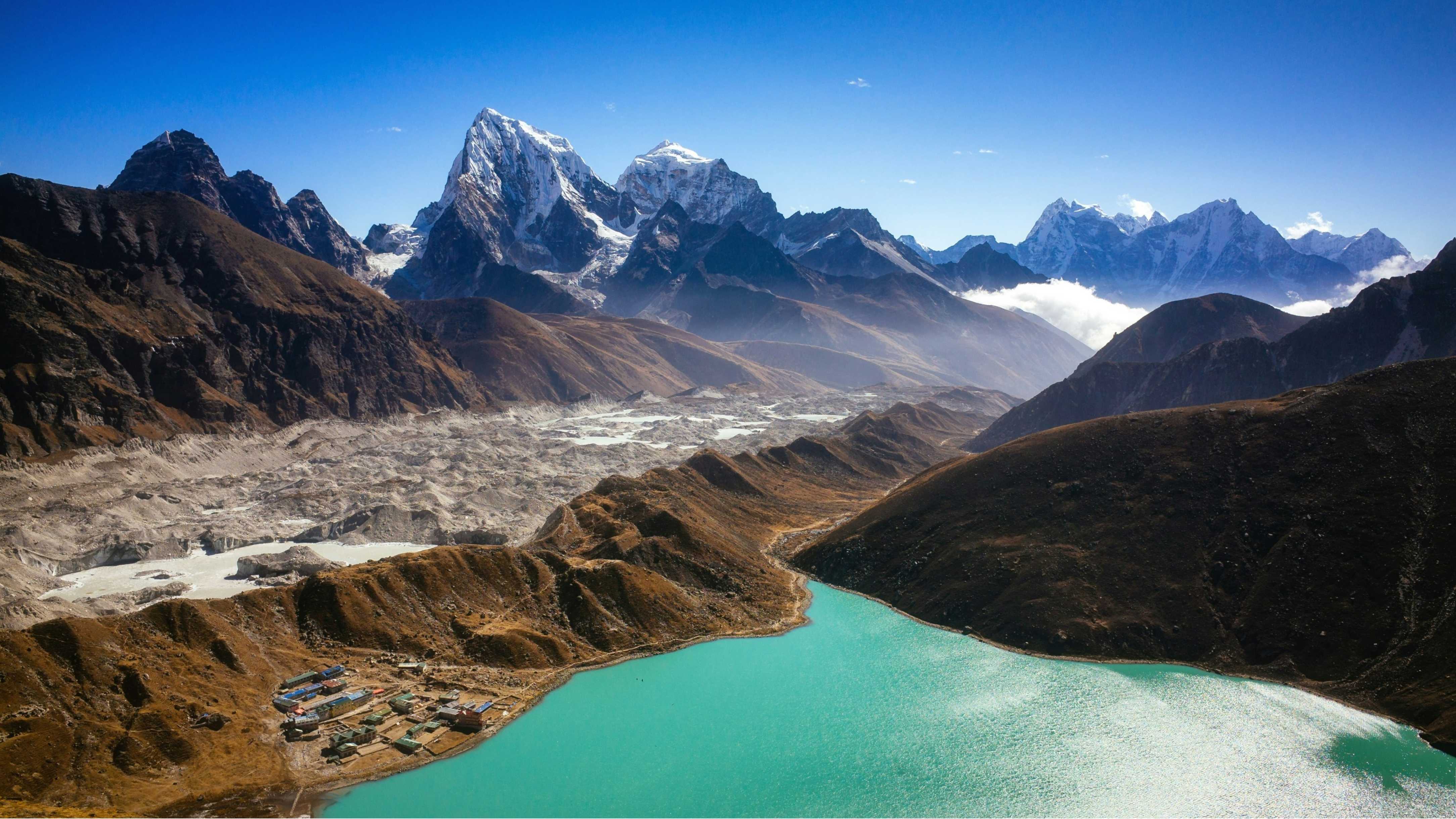
The Himalayas provide the perfect environment for solar power. Use the science to your advantage and keep your Mount Everest expedition fully charged with the power of the sun.