At the Mount Everest summit, the sun doesn't just feel hot—it burns at a cellular level. UV radiation is 100% stronger at high altitude, making skin protection the most vital part of any Mount Everest expedition.
UV-B rays reflecting off the snow can burn the surface of your eyes in minutes. This 'snow blindness' is a leading cause of emergency descents during Everest trekking and Mount Everest summit push attempts. Wear your glasses at all times.
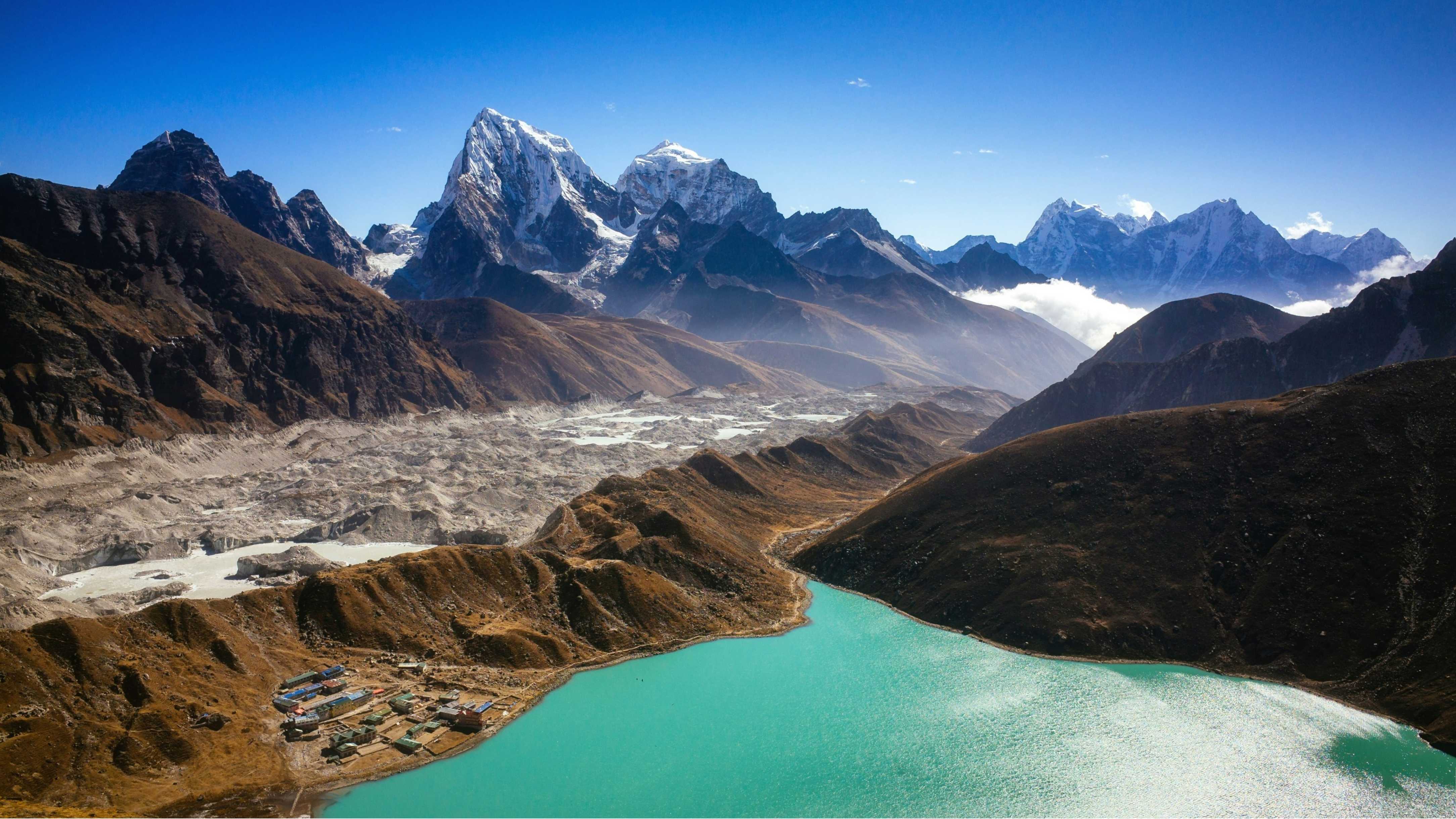
Climbers often forget that light reflects *up*. You can actually get sunburnt inside your nostrils or on the roof of your mouth while gasping for air near the Mount Everest summit. Use a buff for physical protection during your expedition.
Standard sunscreen is not enough. You need the thickest barrier possible. Mount Everest expedition members reapply every 2 hours, even if it's freezing, to prevent the deep burns that can ruin an Everest trekking trip.
Respect the sun. It is a more persistent threat than the wind. Proper UV protection is the only way to safely reach the Mount Everest summit and return home with your health intact.