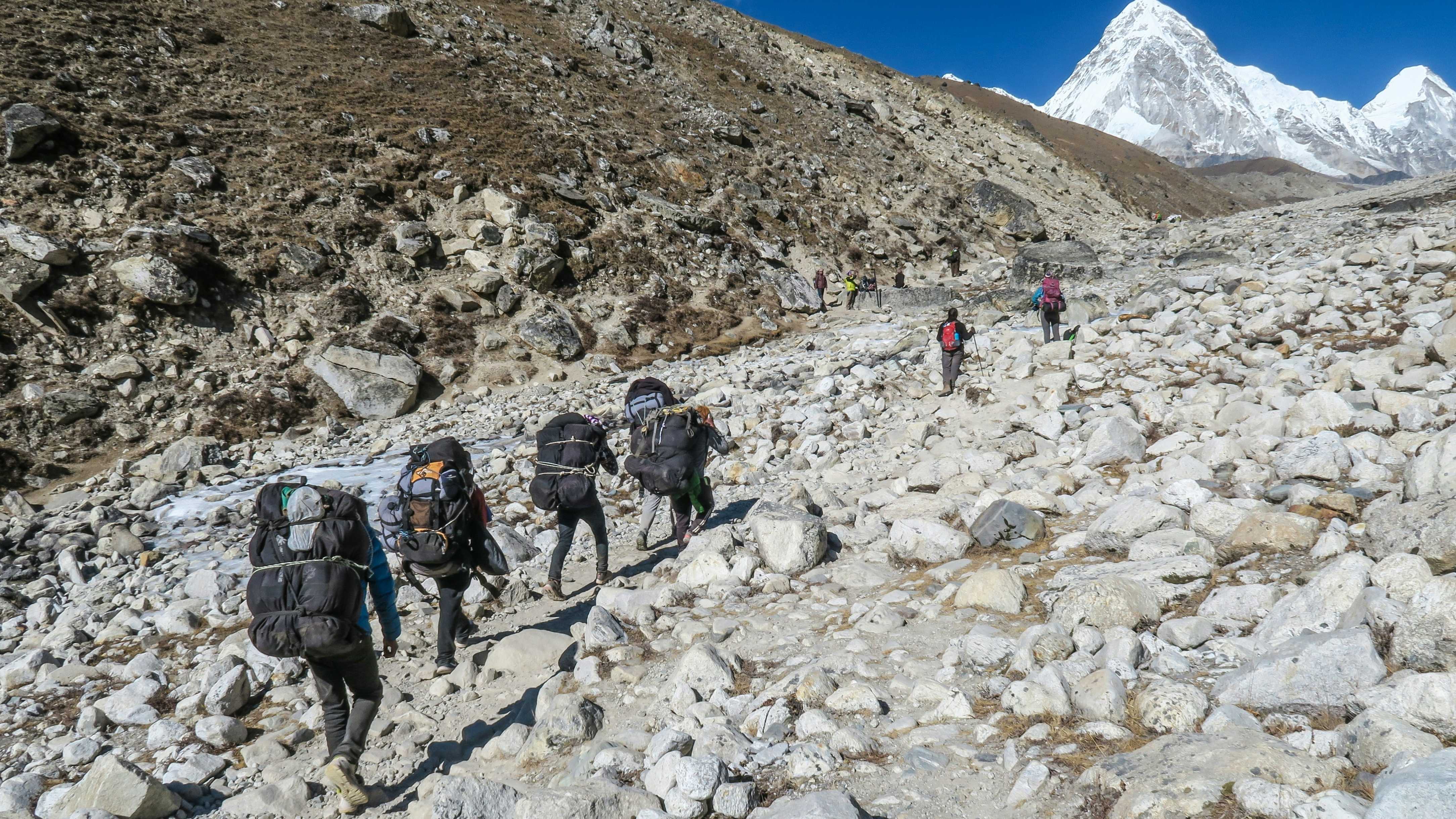
At the Mount Everest summit, ice often doesn't melt into water; it turns directly into vapor. This process, called sublimation, is a fascinating scientific part of the Mount Everest expedition environment.
The incredibly low atmospheric pressure and intense sun near the Mount Everest summit allow ice to skip the liquid phase. It is why clothes on the line during Everest trekking can dry even when it's well below freezing.
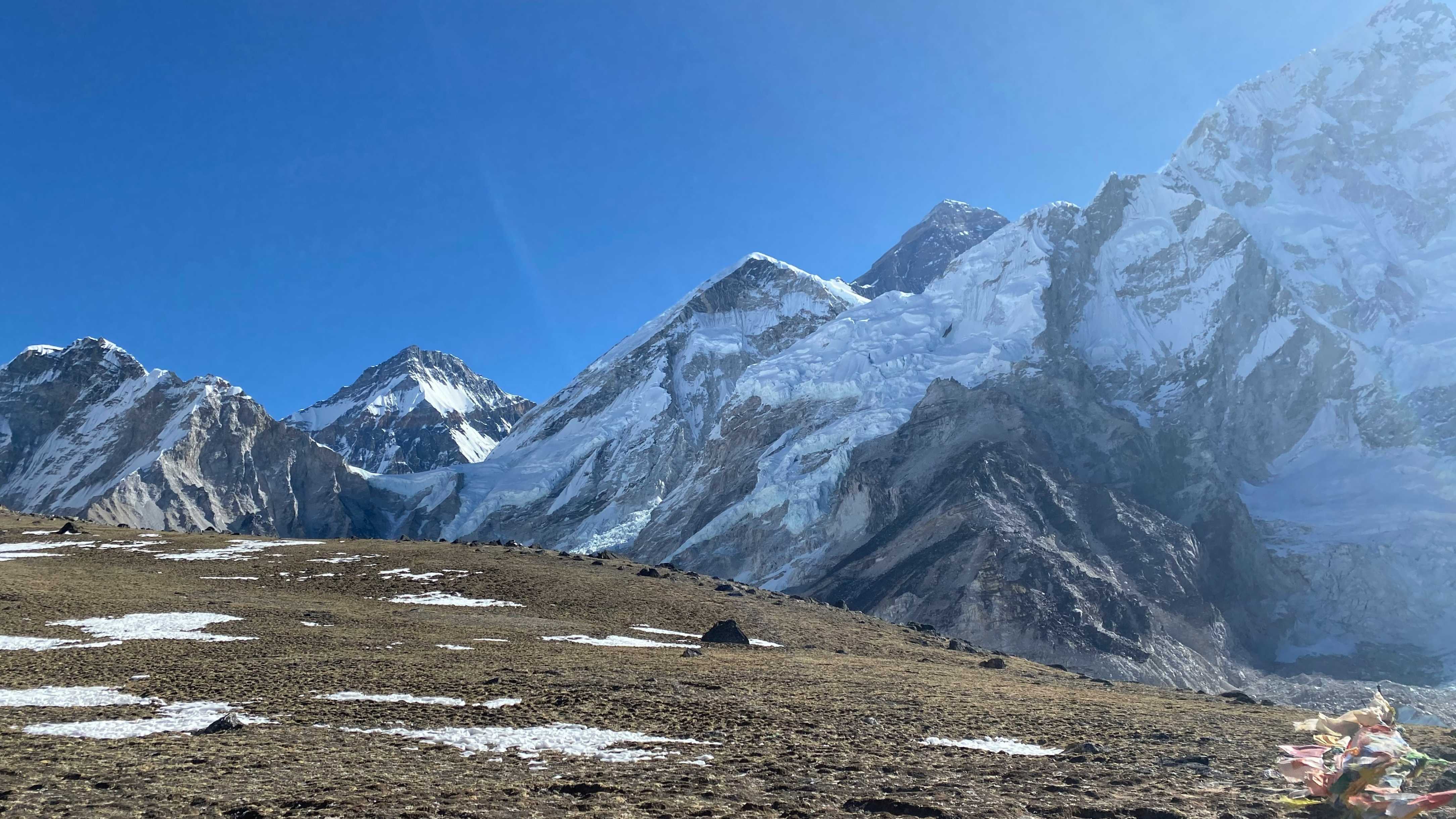
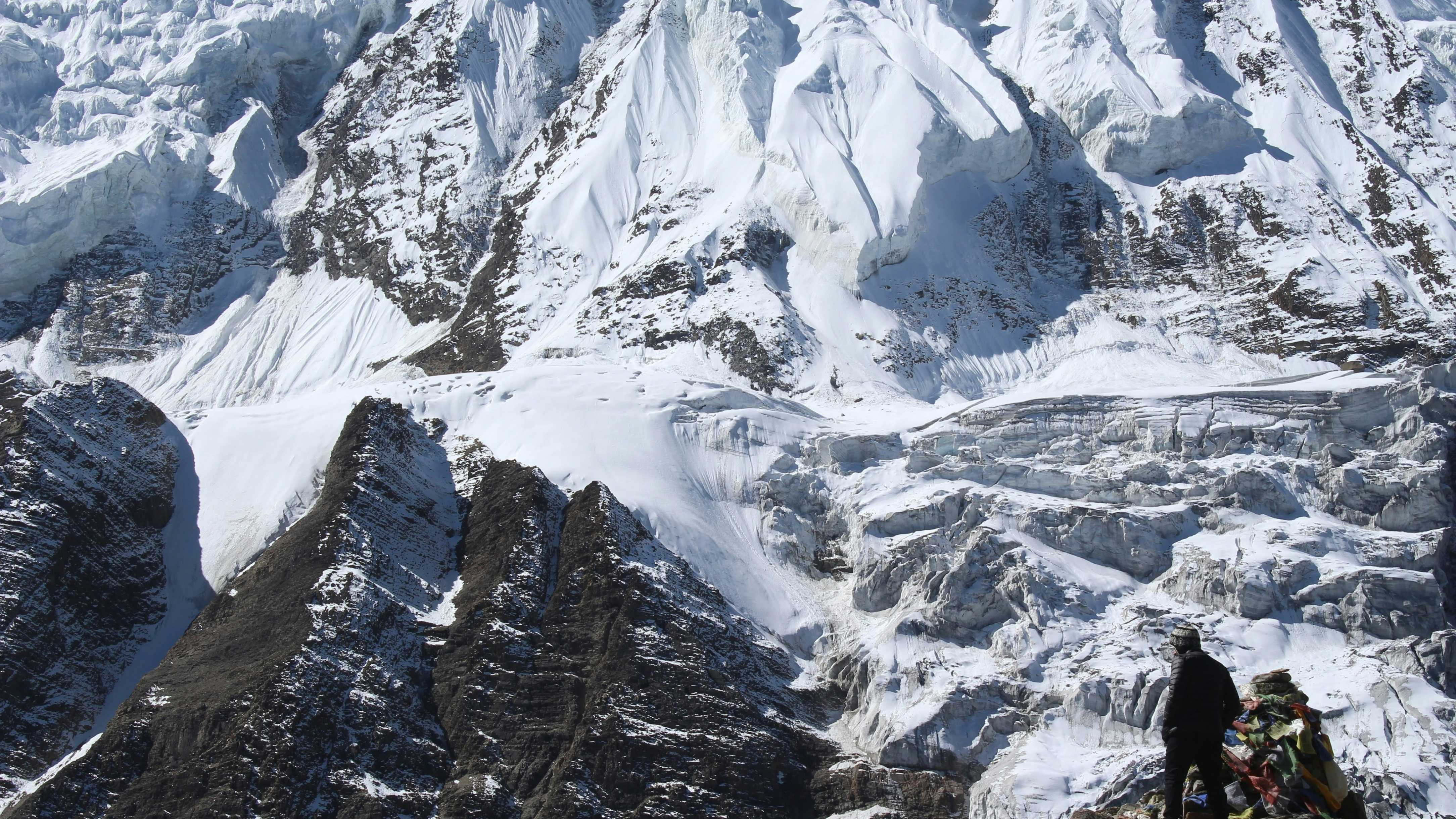
Sublimation carves the ice into the sharp, jagged shapes seen in the Khumbu Icefall. It creates a surreal, alien landscape that trekkers marvel at on their way to Everest Base Camp.
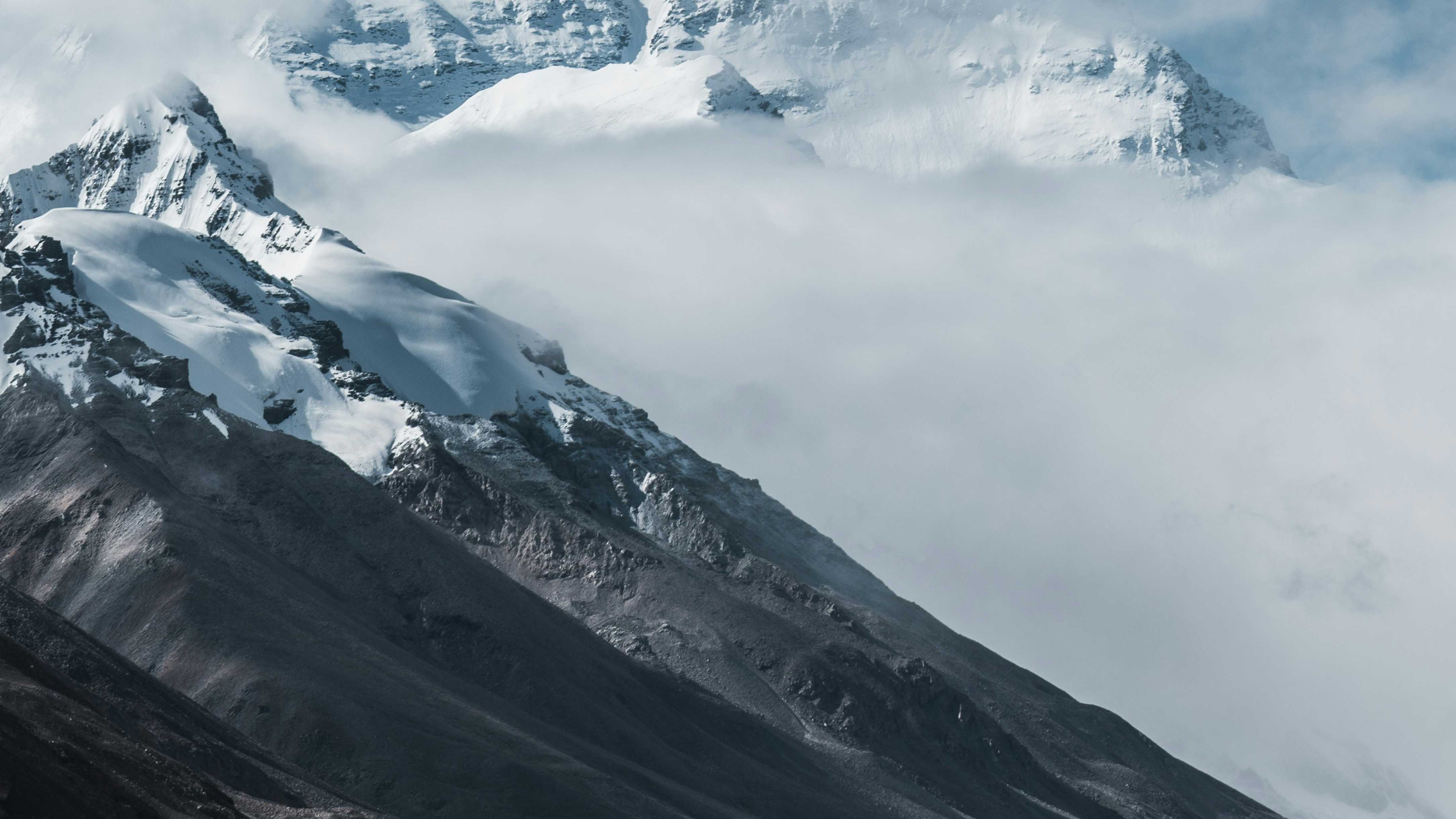
Even in mid-winter, the Mount Everest summit can lose snow due to sublimation. This contributes to the rocky appearance of the peak during dry Mount Everest expedition seasons.
The Himalayas are a masterclass in physics. Understanding sublimation adds another layer of appreciation for the extreme world of the Mount Everest summit.