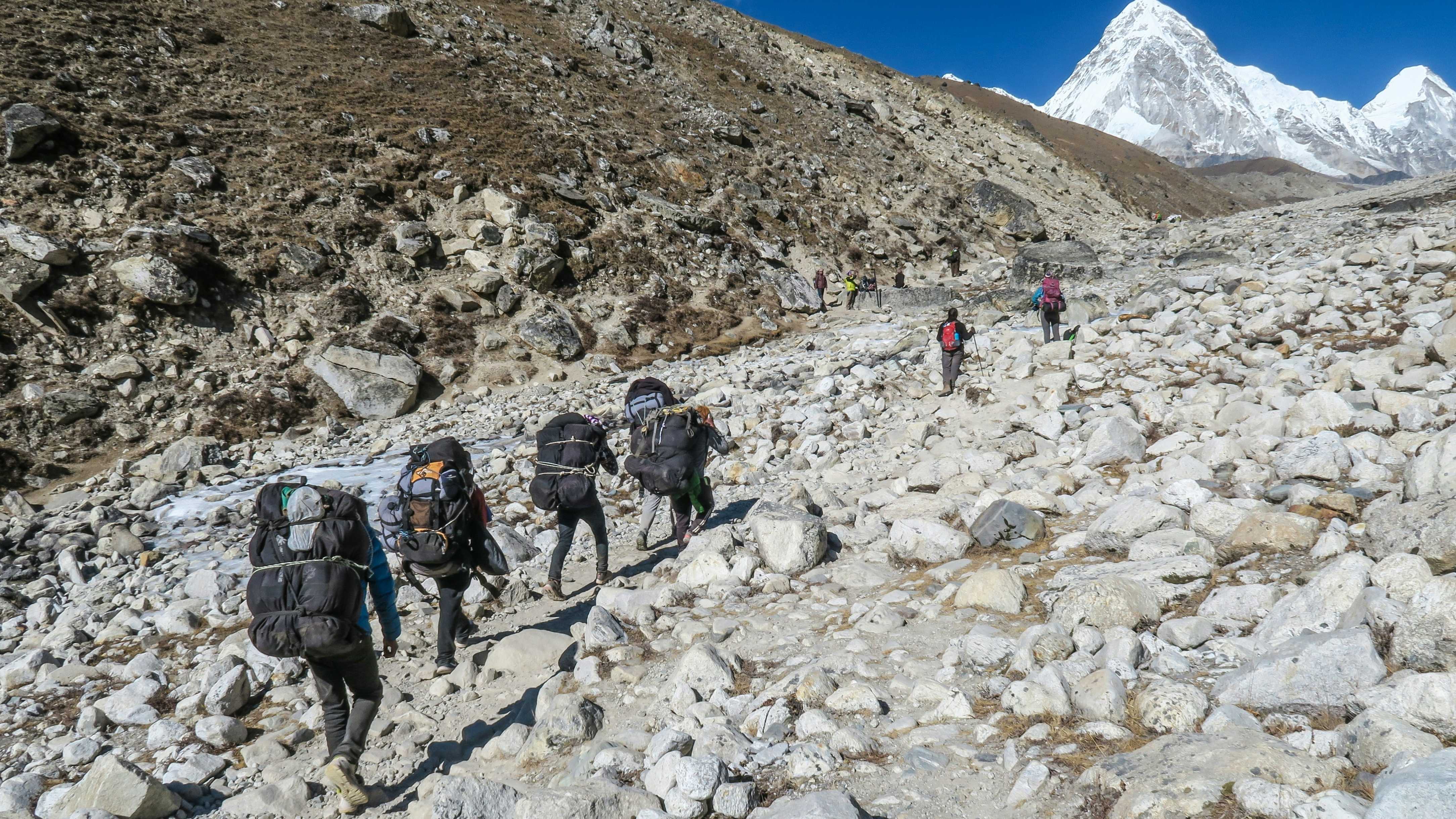
On a Mount Everest expedition, your own breath can be your worst enemy. Near the Mount Everest summit, the condensation inside your tent can freeze and then melt, soaking your down gear and putting you at risk.
The difference between your body heat and the -30°C air outside creates an instant condensation point. This is why Everest trekking tents must have superior ventilation, even if it means losing a little warmth on your expedition.
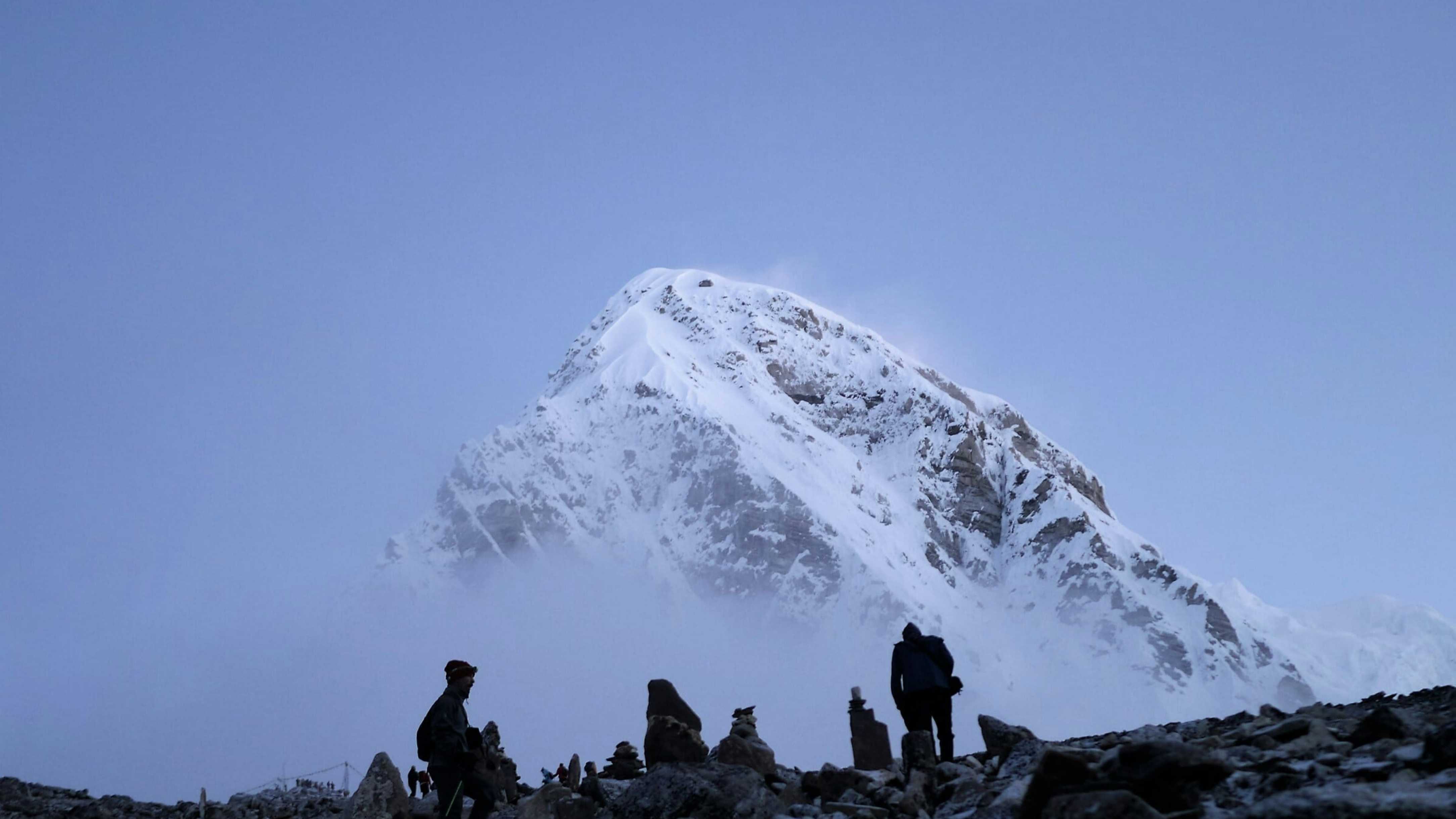
In the morning, the frost on the tent walls can fall like snow. Mount Everest expedition members are trained to 'shake the tent' before getting out of their bags to prevent their dry clothes from getting wet near the Mount Everest summit push.
High-end Mount Everest summit tents use a double-wall system to trap moisture between the layers. Understanding this physics is vital for staying dry and safe during the long, freezing nights of your expedition.
Staying dry is staying warm. Manage your tent's airflow meticulously to ensure your Mount Everest expedition isn't derailed by the 'rain inside' your own shelter.