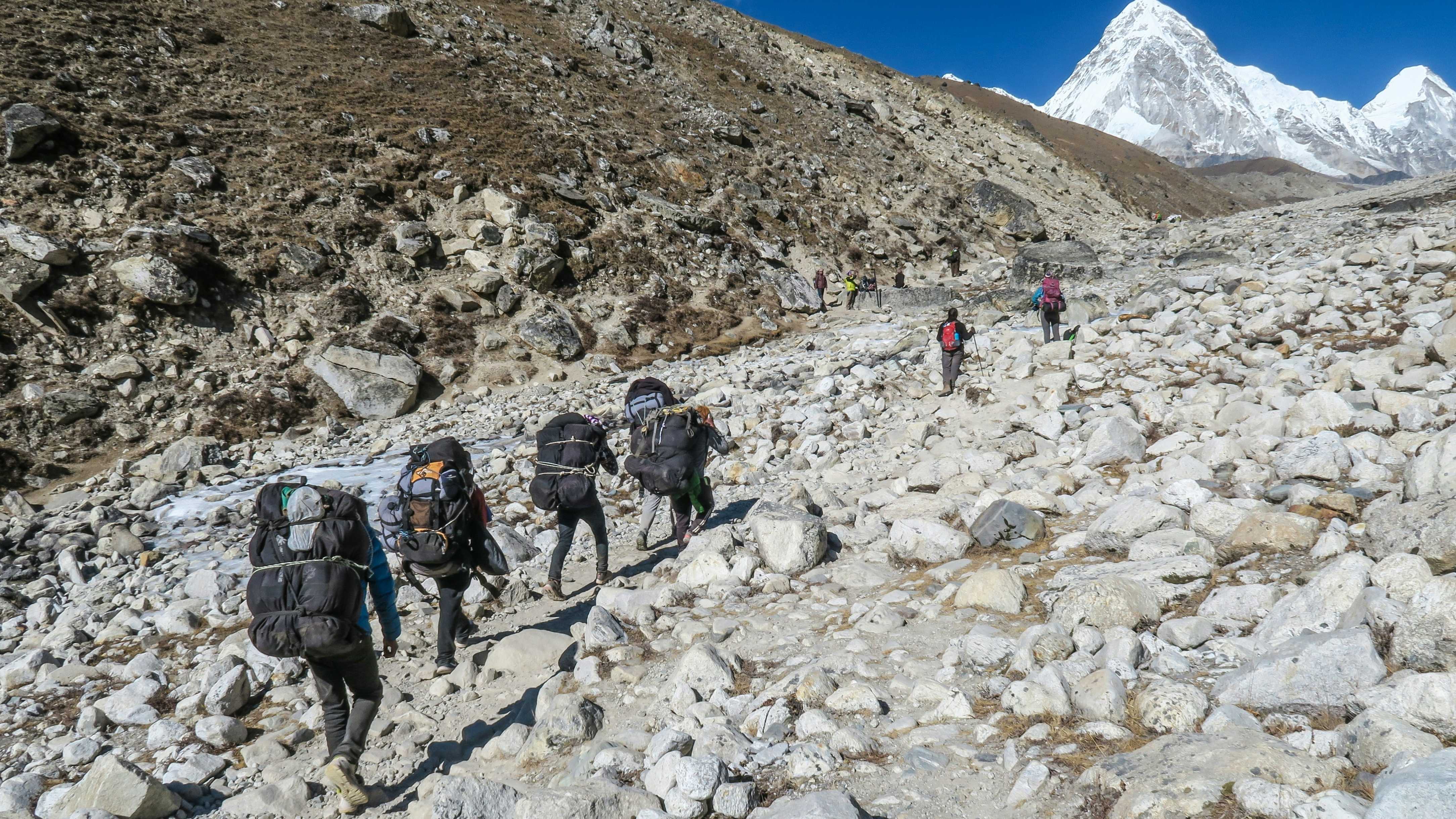
The Nar Phu Valley is a remote and isolated region north of the Annapurna range. This hidden gem offers a glimpse into traditional Tibetan culture that has remained virtually unchanged for centuries. The trek takes you through dramatic landscapes, ancient monasteries, and traditional villages that have preserved their unique way of life.
The trek begins with a drive from Kathmandu to Besisahar, followed by the classic Annapurna Circuit route to Koto. From Koto, the trail diverges into the restricted Nar Phu Valley, ascending through dramatic gorges. The route visits both Nar and Phu villages before crossing the challenging Kang La Pass (5,320m) and rejoining the Annapurna Circuit.
The Nar Phu Valley is predominantly inhabited by people of Tibetan origin. The villages feature distinctive stone houses with flat roofs, ancient monasteries, and chortens that reflect their Tibetan Buddhist heritage. Visitors can experience traditional hospitality and learn about the rich cultural traditions that have been maintained in isolation.
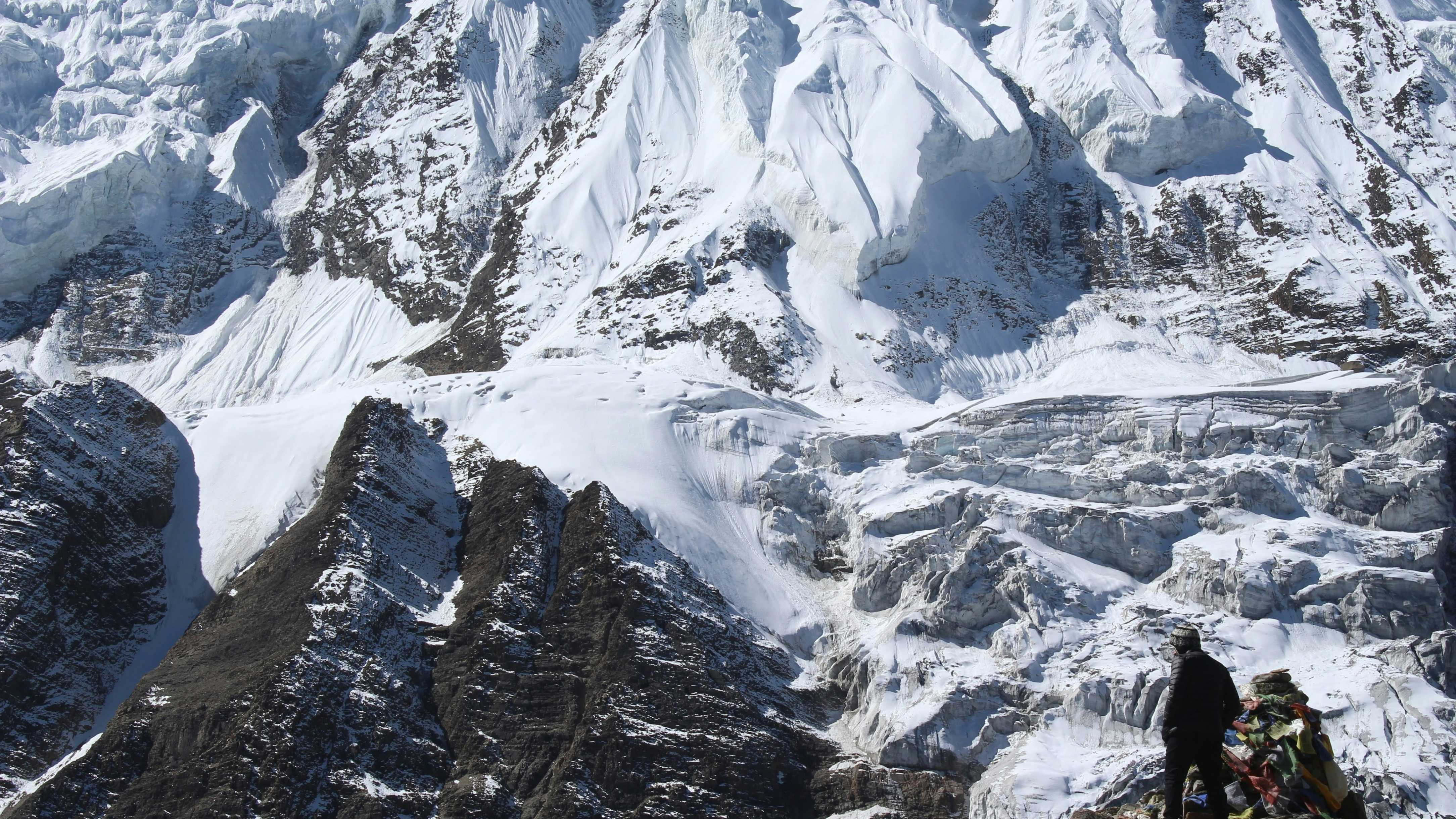
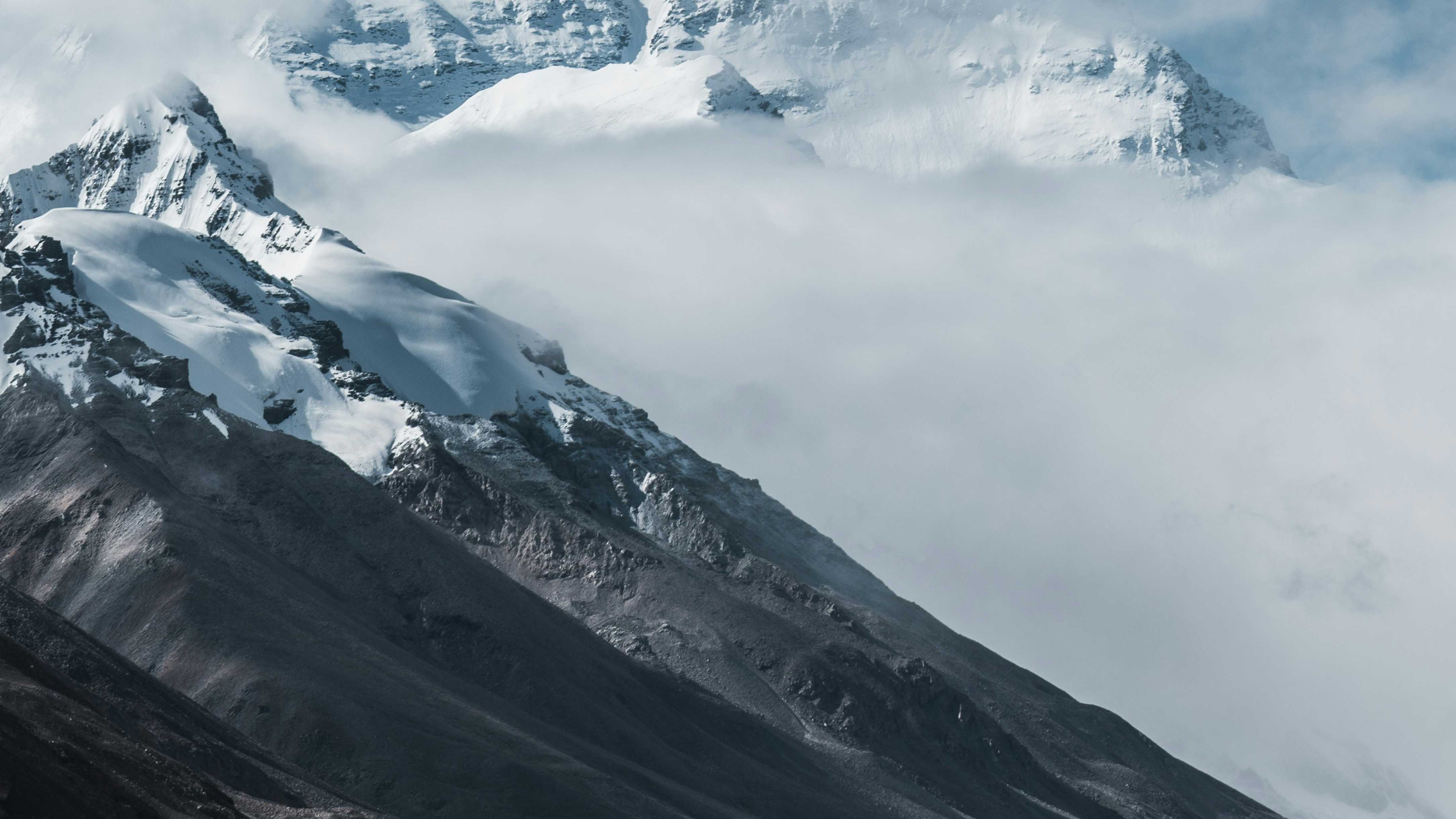
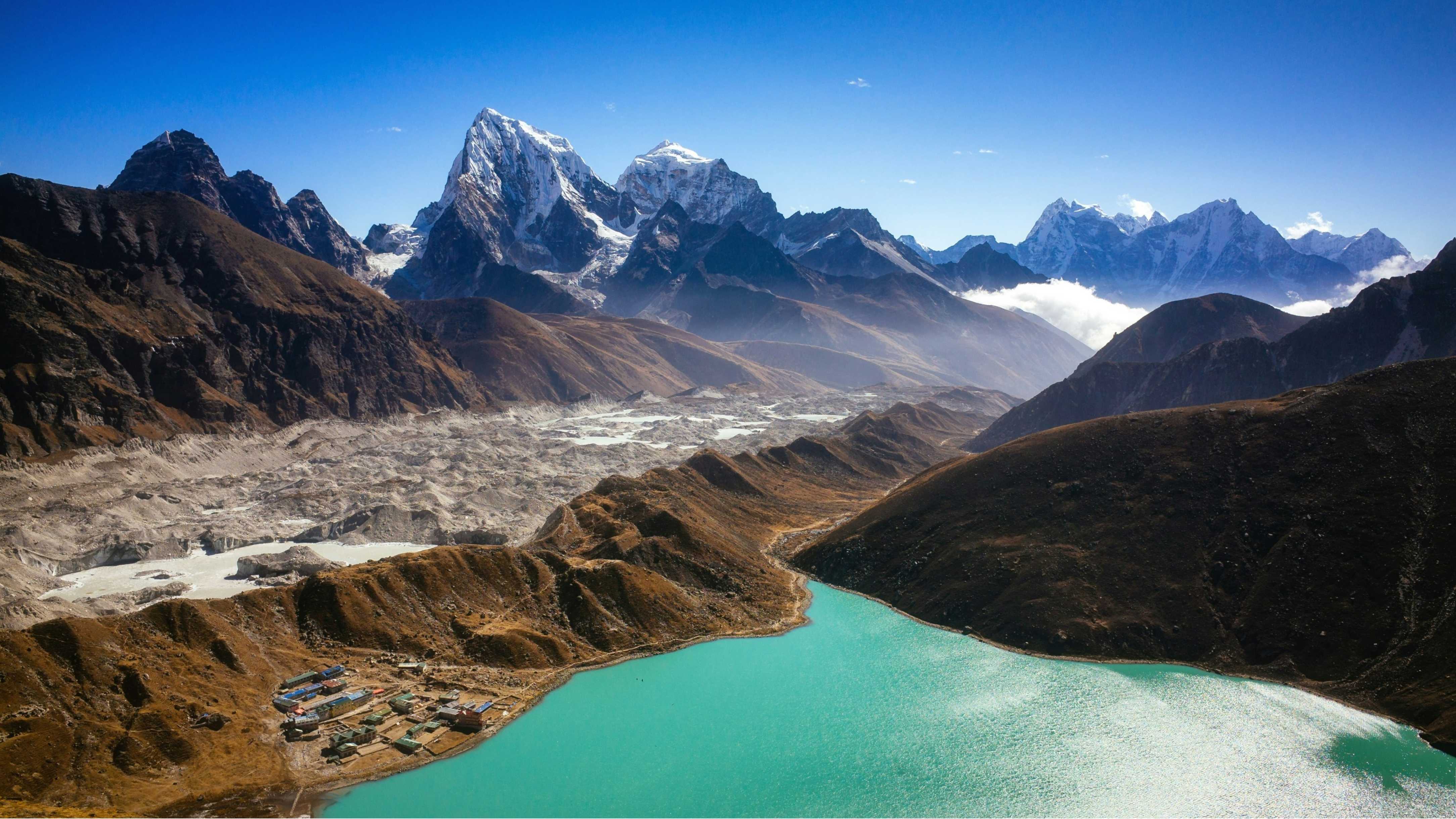
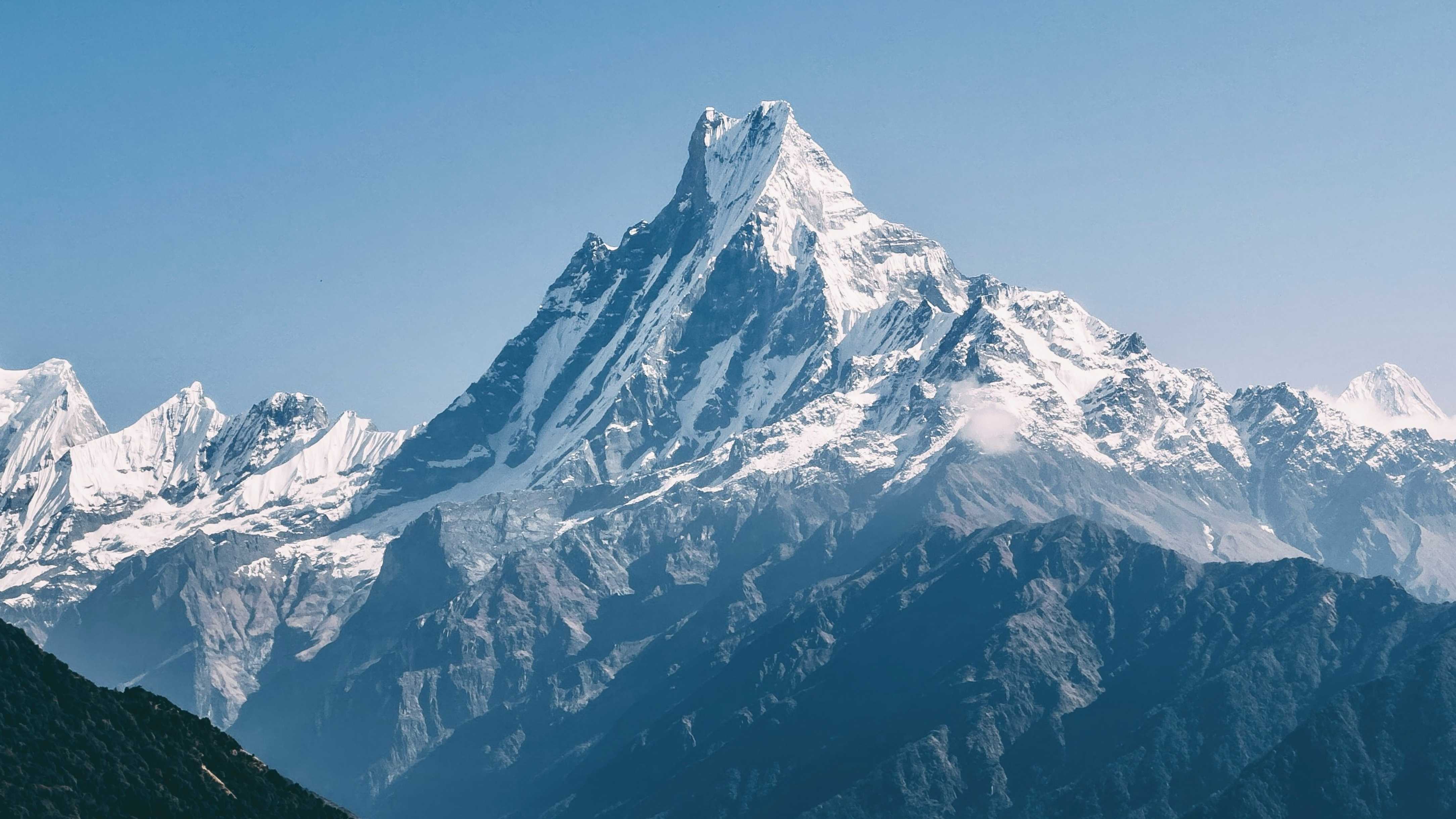
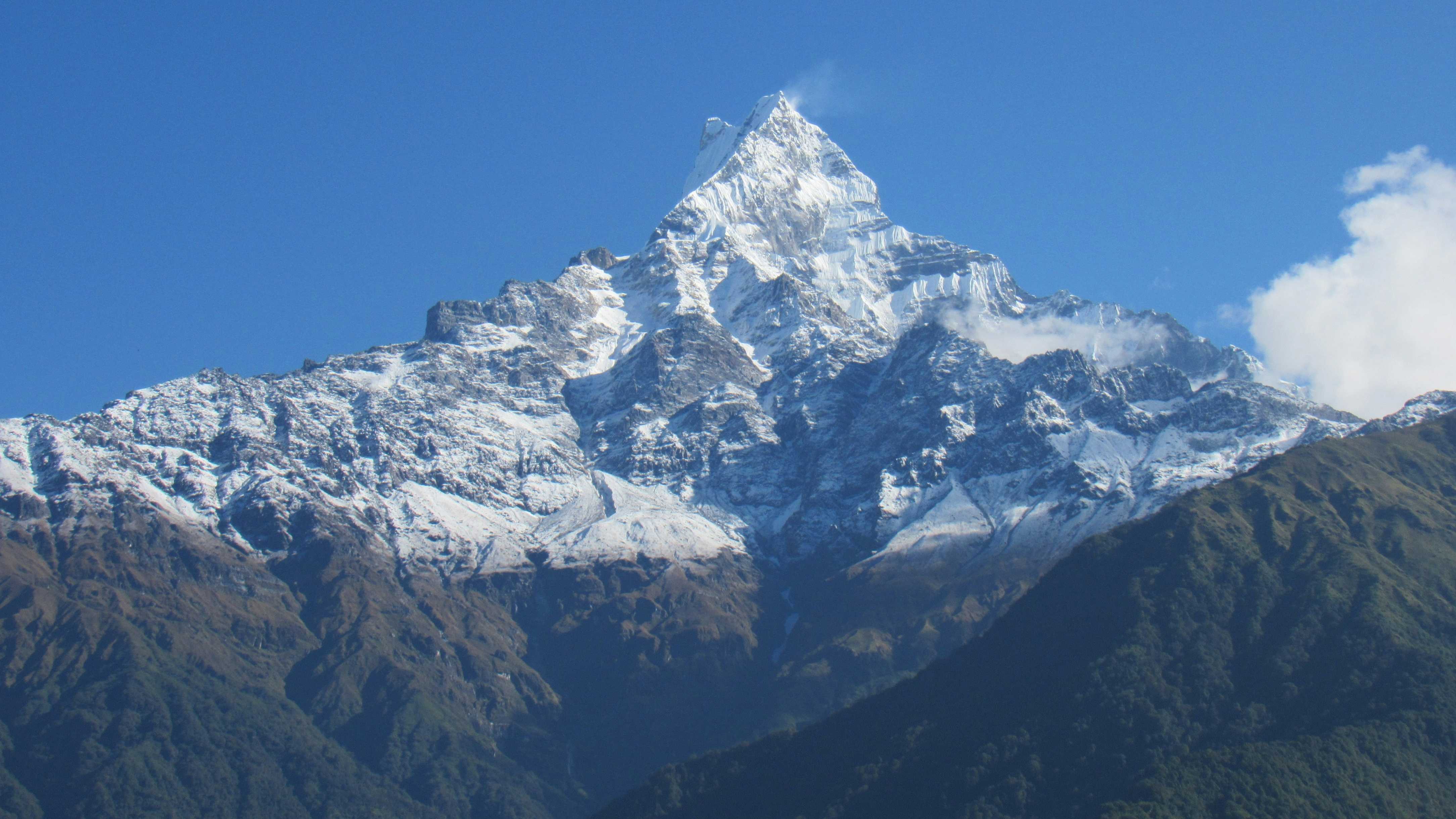
The Nar Phu Valley offers some of the most dramatic landscapes in the Annapurna region, with deep gorges, towering cliffs, and spectacular mountain views. The highlight of the trek is crossing the Kang La Pass, which offers breathtaking views of Annapurna II and Gangapurna. The region's isolation has preserved its natural beauty.
The Nar Phu Valley Trek is for experienced trekkers seeking adventure in one of Nepal's most remote and culturally rich regions. It requires physical stamina and mental fortitude. For those who make the journey, the rewards are immense: pristine wilderness, cultural authenticity, and the privilege of witnessing a traditional Tibetan culture.