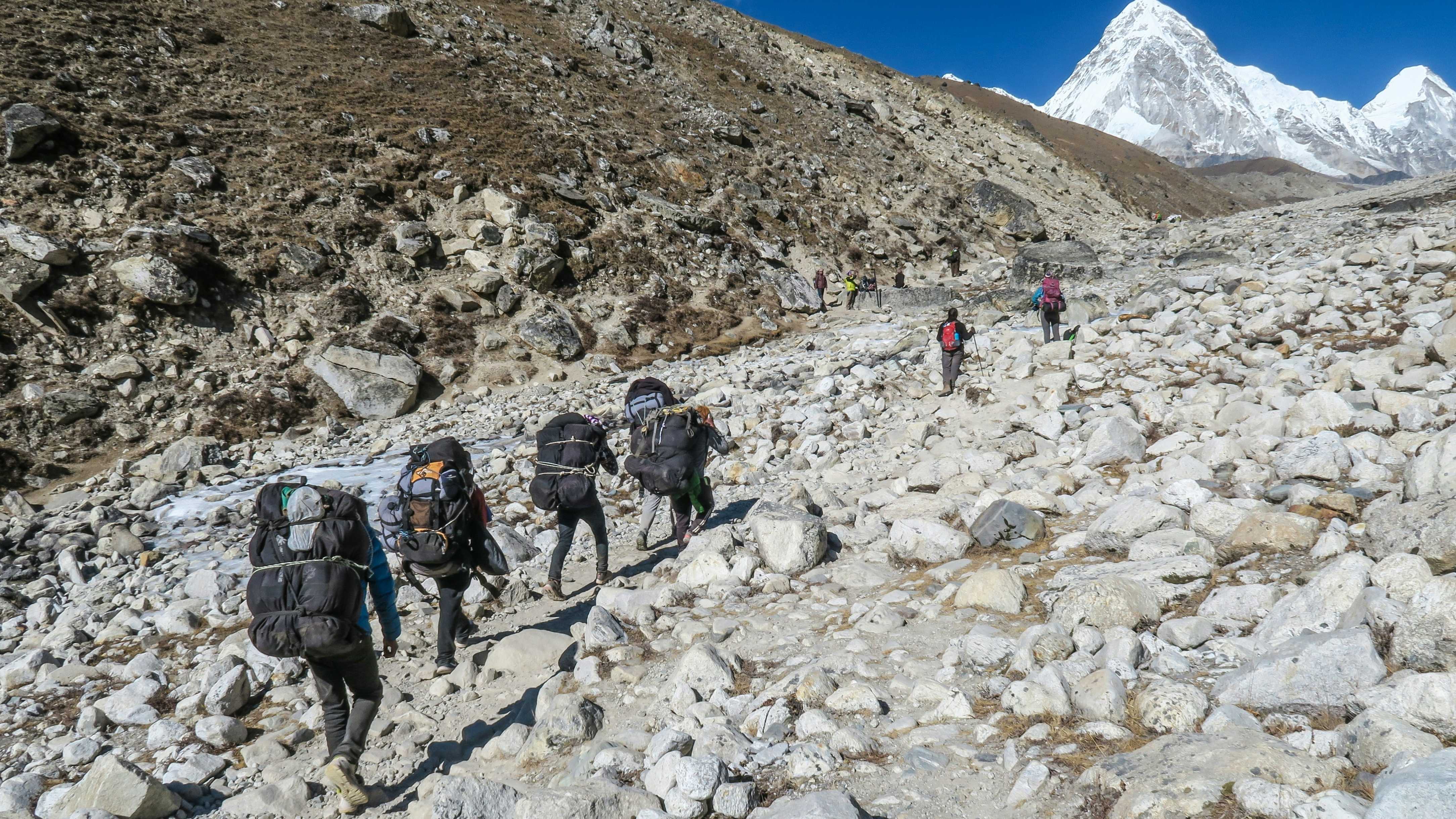
At the Mount Everest summit, there is only 33% of the oxygen available at sea level. Without supplemental oxygen, the body slowly dies. 'Os' are the lifeline of modern commercial expeditions.
Climbers typically run oxygen at 2-4 liters per minute on summit day. This tricks the body into thinking it is at a lower altitude (around 6,000m), making the climb possible for non-elite athletes.
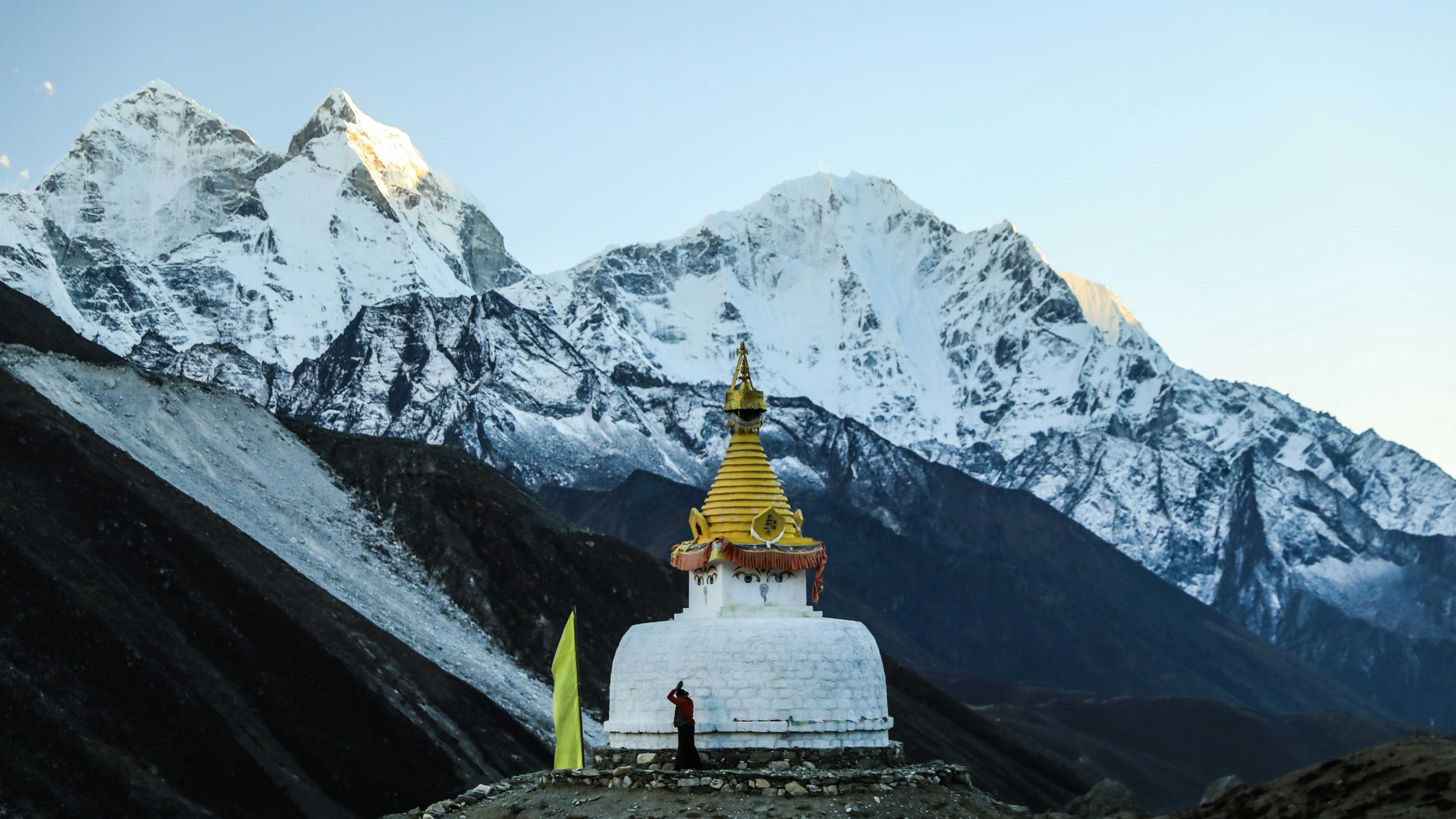
If an oxygen system fails high up, the climber hits a 'hypoxic wall'. The sudden return to true altitude can cause collapse. Carrying backup regulators and masks is standard procedure for any safe Mount Everest expedition.
Some purists climb without oxygen, but this carries immense risk of brain damage and death. For commercial Everest trekking and climbing, safety dictates the use of oxygen.
Modern oxygen systems are lighter and more reliable, making the summit accessible to more dreamers than ever before.