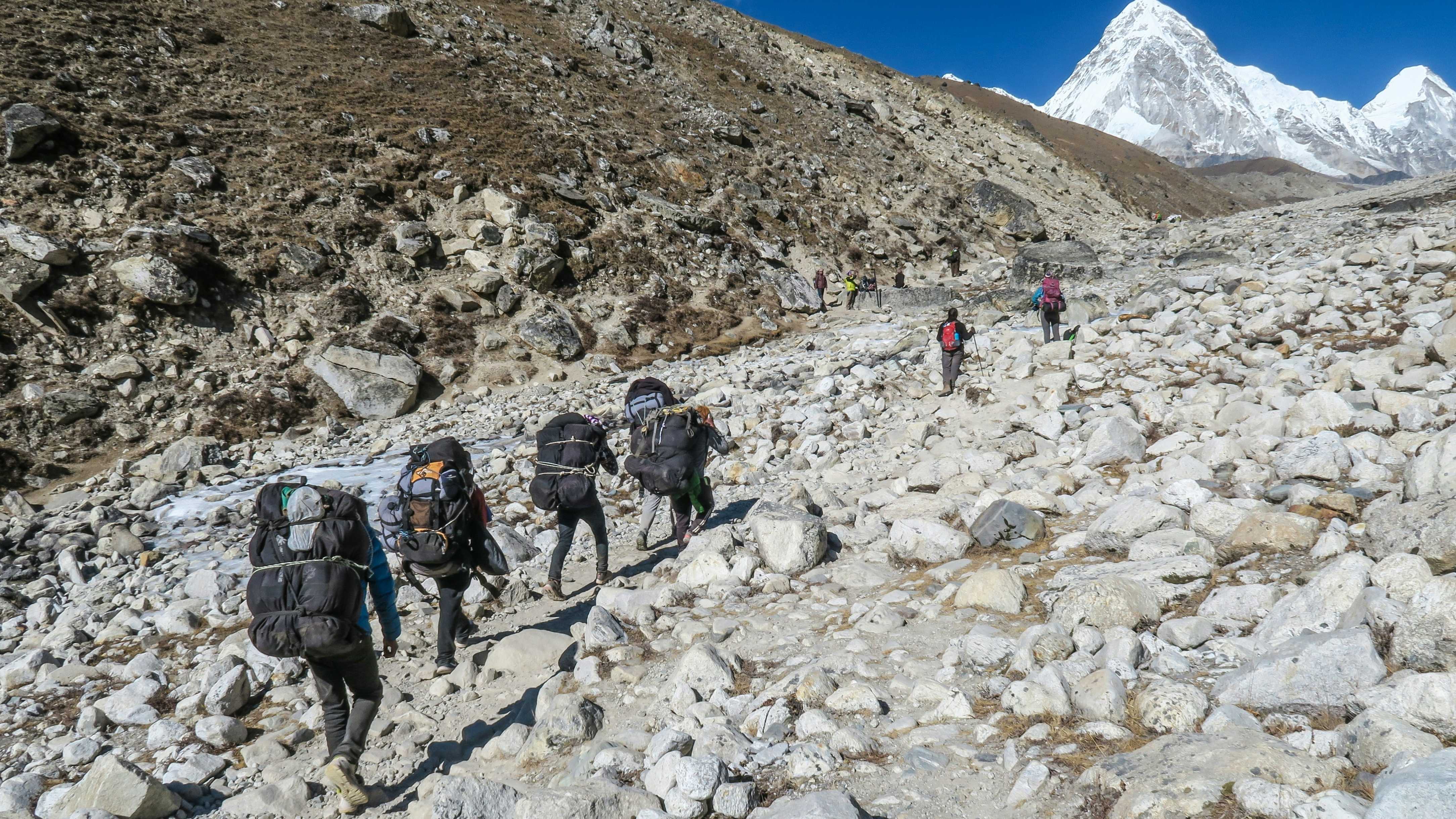
A great sleeping bag is useless if you sleep on cold ground. The ground sucks heat away 60 times faster than air. Your mat is your barrier against the frozen earth of the Everest trekking trail.
The R-Value measures insulation. For Everest Base Camp, you need an R-Value of 4.0 or higher. For expeditions sleeping on snow, aim for 6.0+. Higher number = warmer sleep.
Indestructible and cheap. They don't puncture. However, they are bulky and not very comfortable. Many climbers use one as a base layer under an inflatable mat for extra safety on a Mount Everest expedition.
Modern down-filled mats (like Therm-a-Rest NeoAir) are incredibly warm and light. But if they puncture, you are on the ground. Always bring a repair kit and know how to use it.
For maximum warmth and comfort, use both. A foam mat on the bottom for protection, and an inflatable on top for comfort.