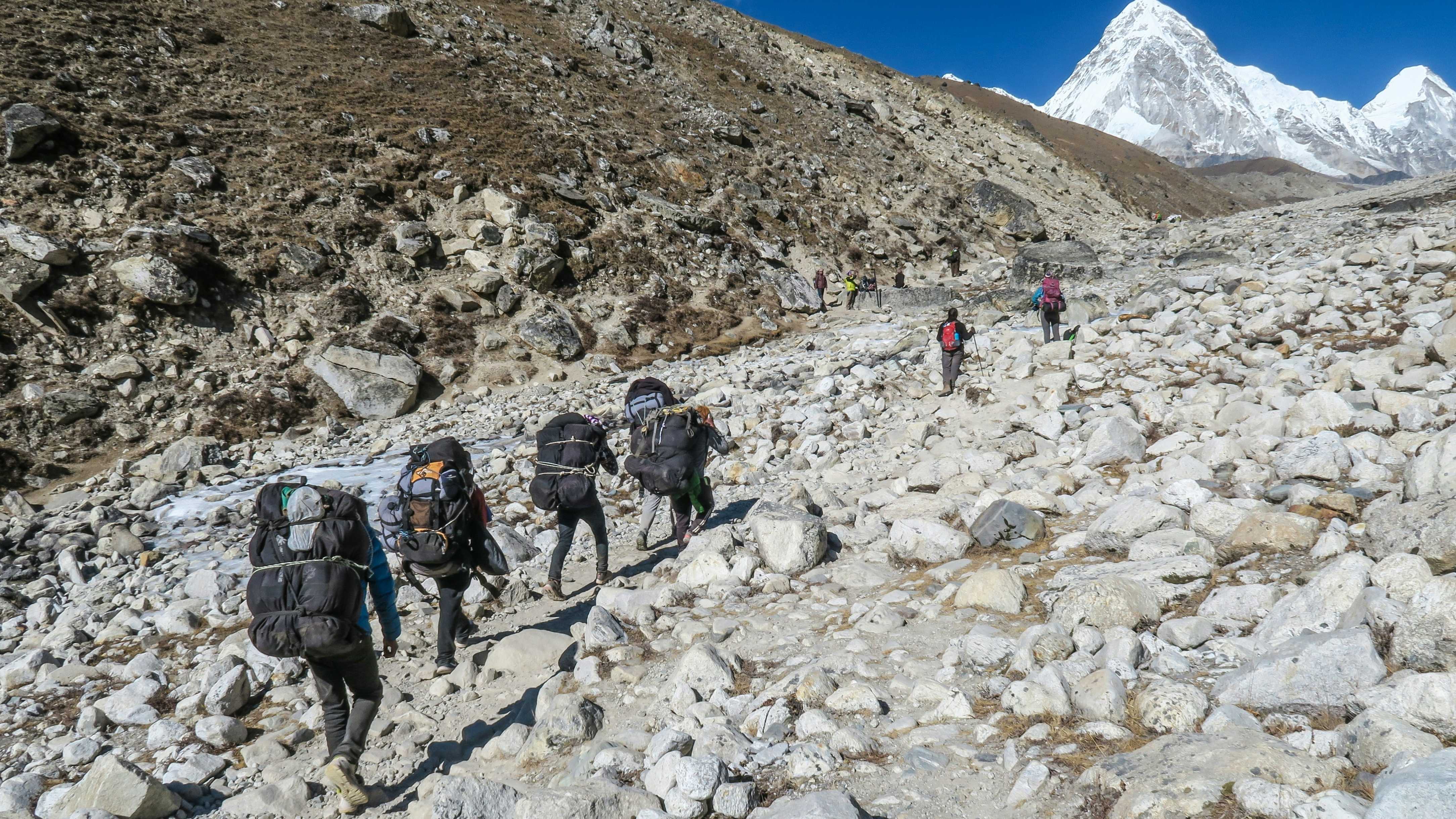
Preparing for a Mount Everest expedition requires a specific blend of fitness. Many climbers ask: should I focus on running marathons or lifting heavy weights? The answer lies in the specific demands of the Everest summit approach.
Cardiovascular endurance is the foundation. Your heart needs to be efficient at pumping oxygen-rich blood in thin air. Long, slow distance training (hiking, running) builds the capillary beds needed for Everest trekking days that last 8-12 hours.
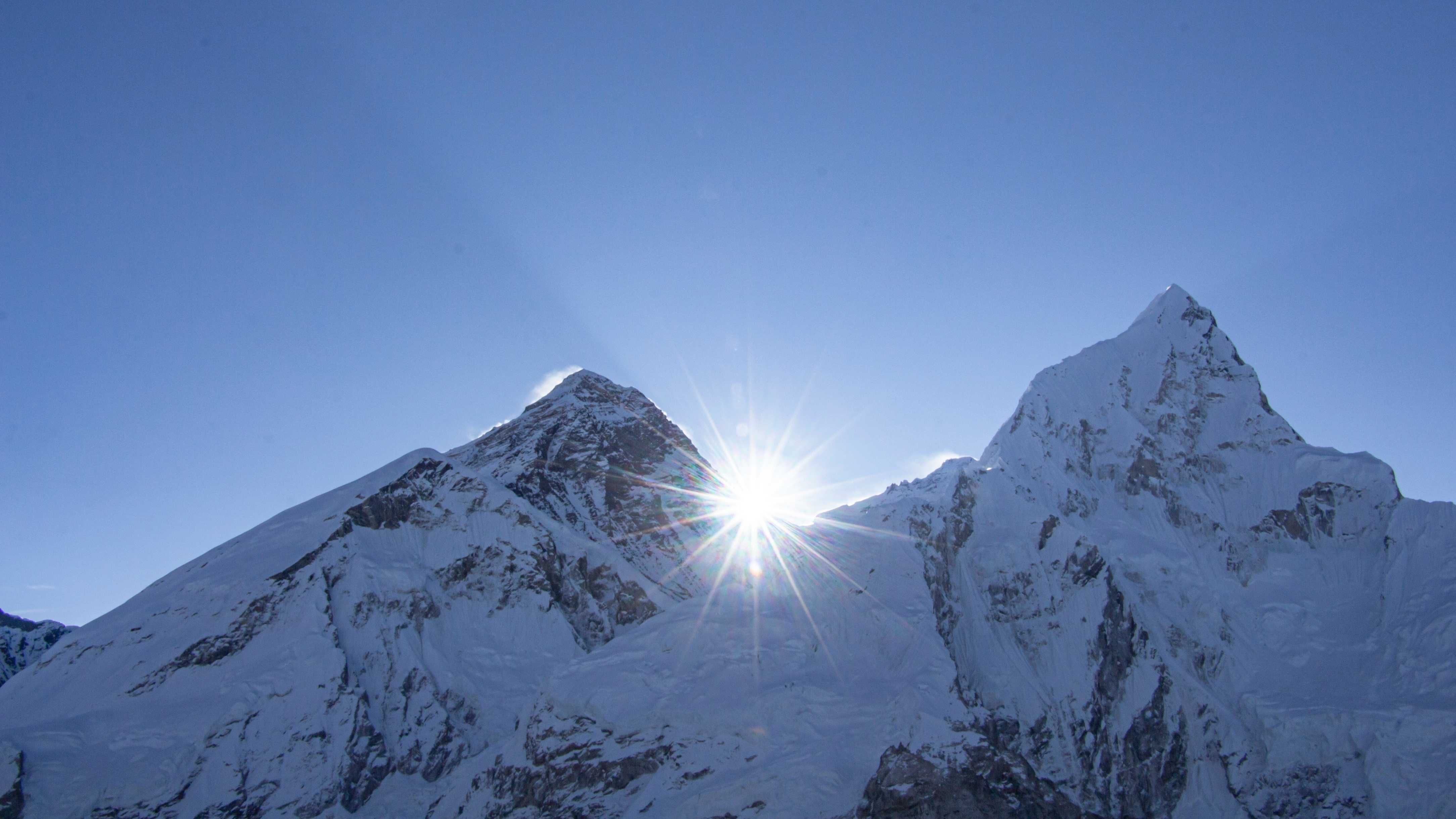
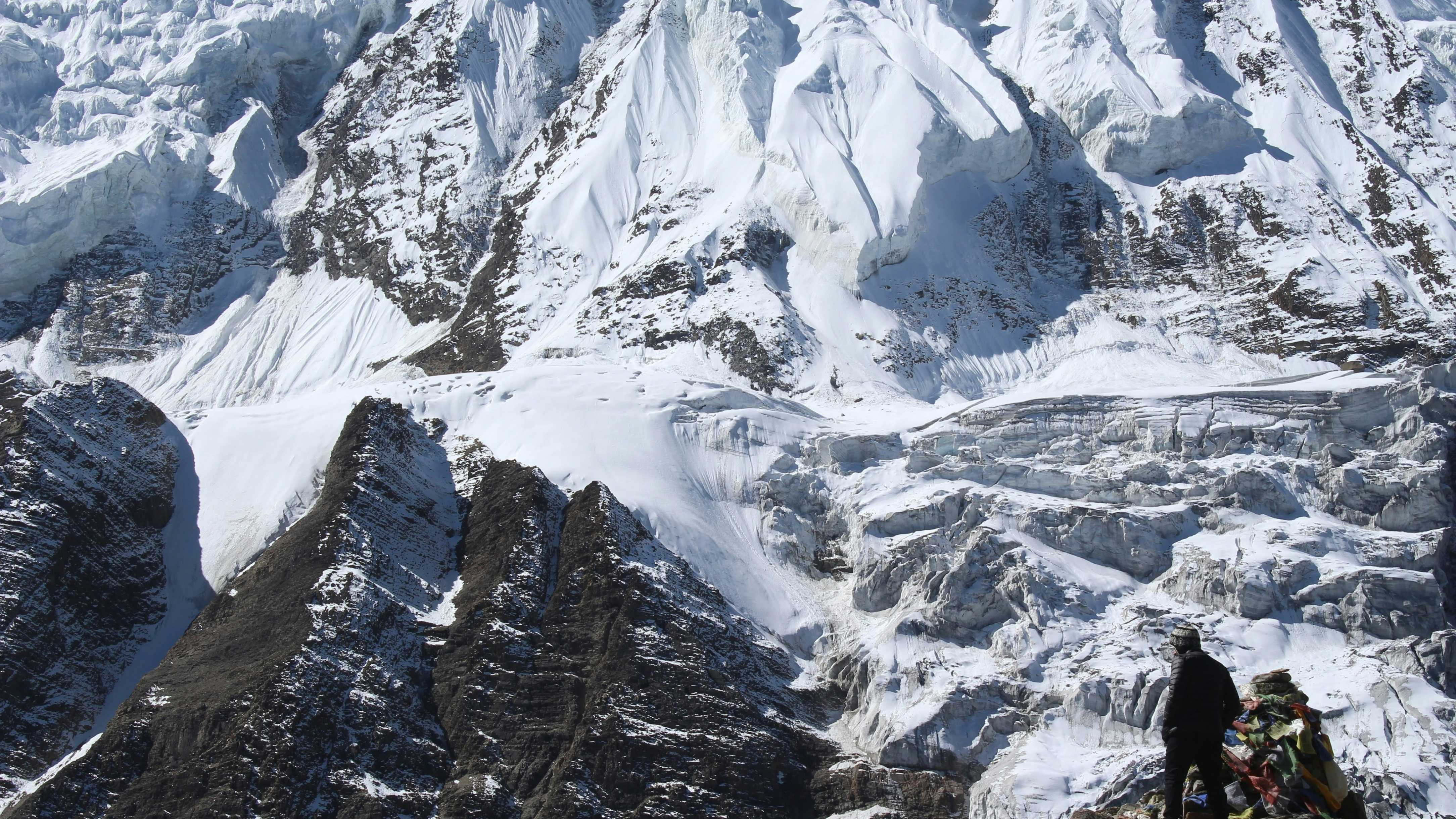
You aren't just walking; you are carrying a pack. Leg strength (squats, lunges, step-ups) is vital for the Khumbu Icefall and the steep Lhotse Face. Core strength protects your back during the weeks of living in a tent at Everest Base Camp.
The best training for hiking is hiking. Treadmills are okay, but nothing beats carrying a weighted pack uphill on uneven terrain. This conditions your stabilizing muscles, crucial for the rocky paths of an Everest expedition.
Don't just train hard; train specifically for the mountain. A balanced body is your best tool for reaching the top.